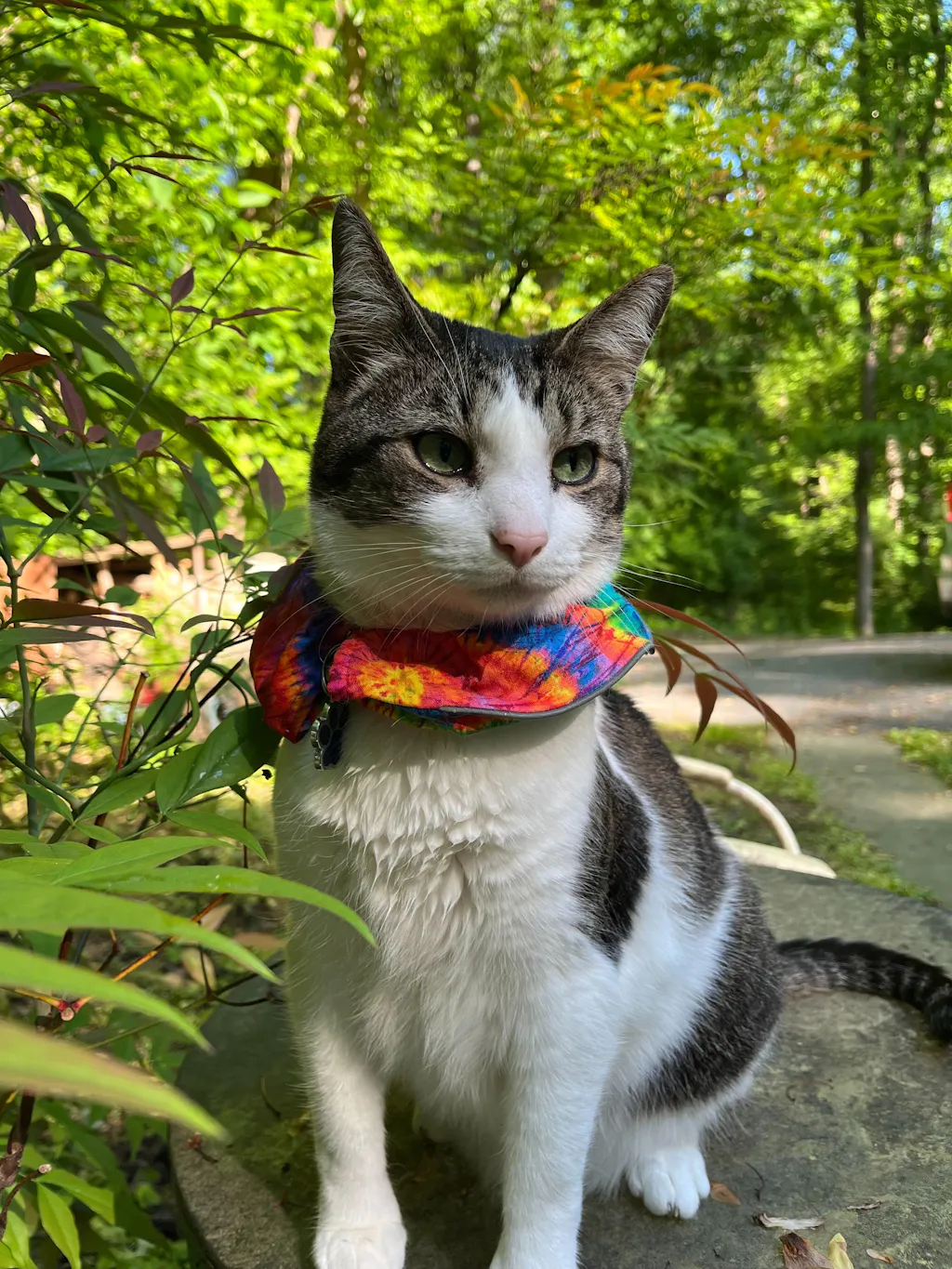
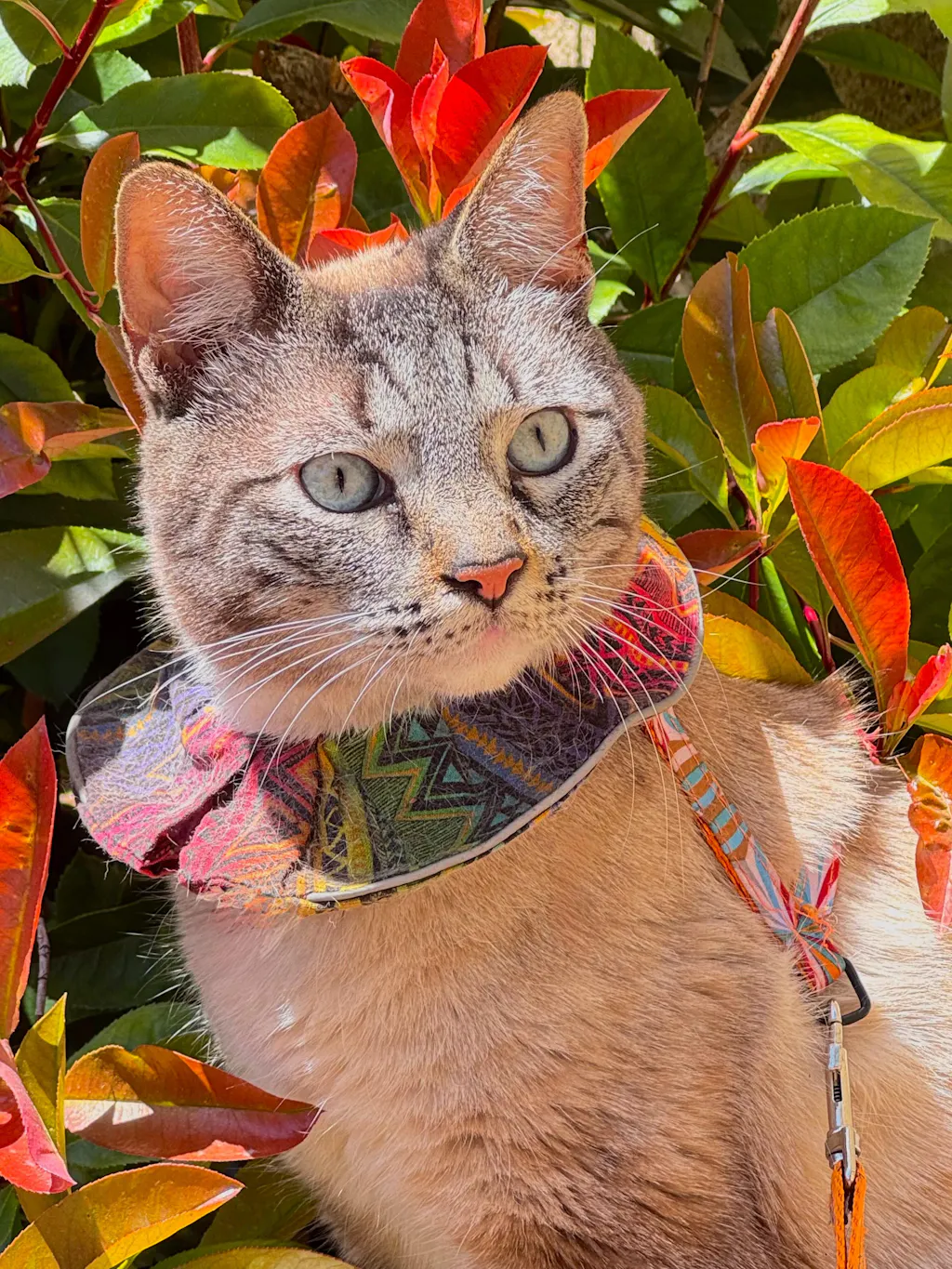
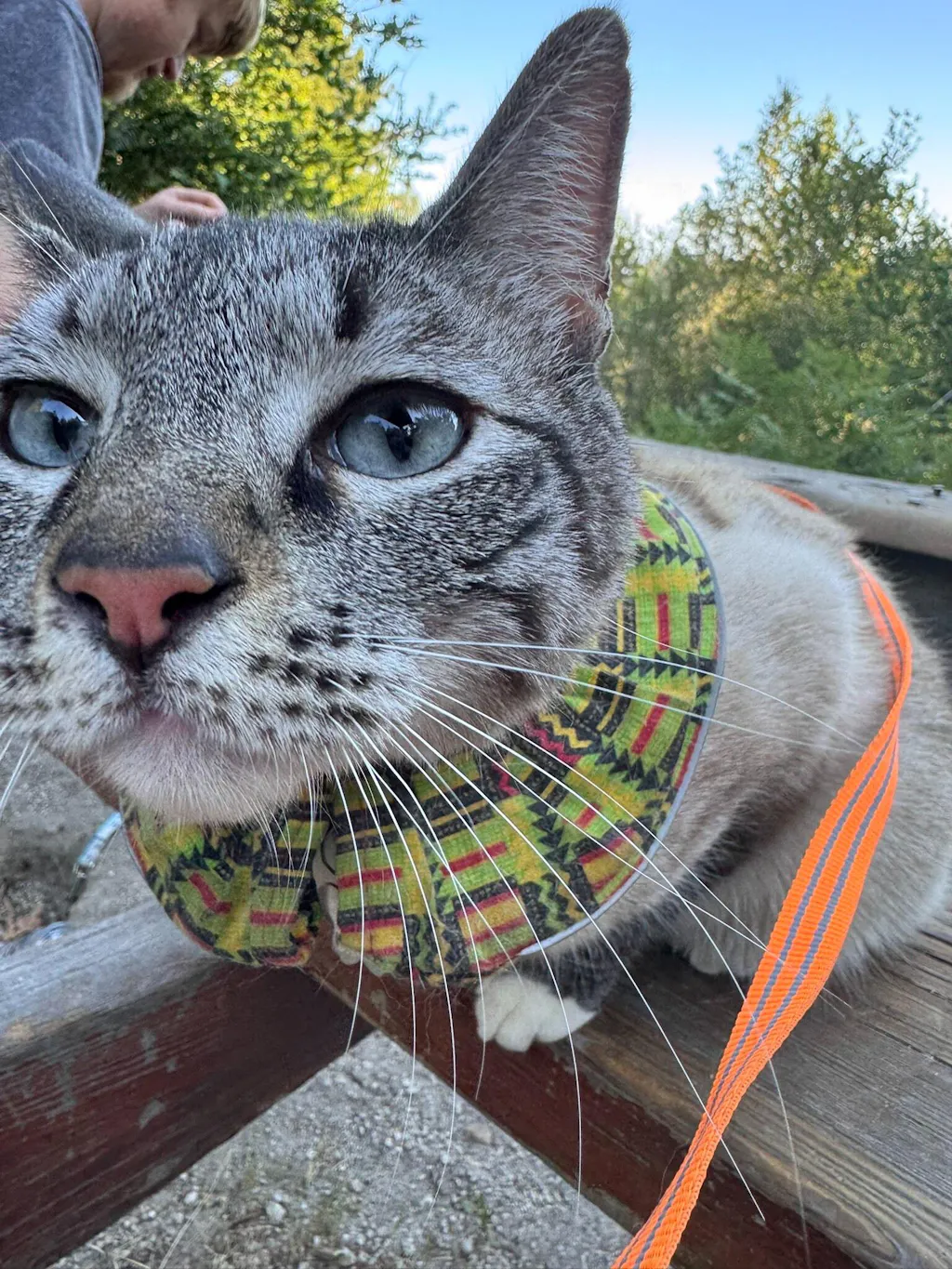
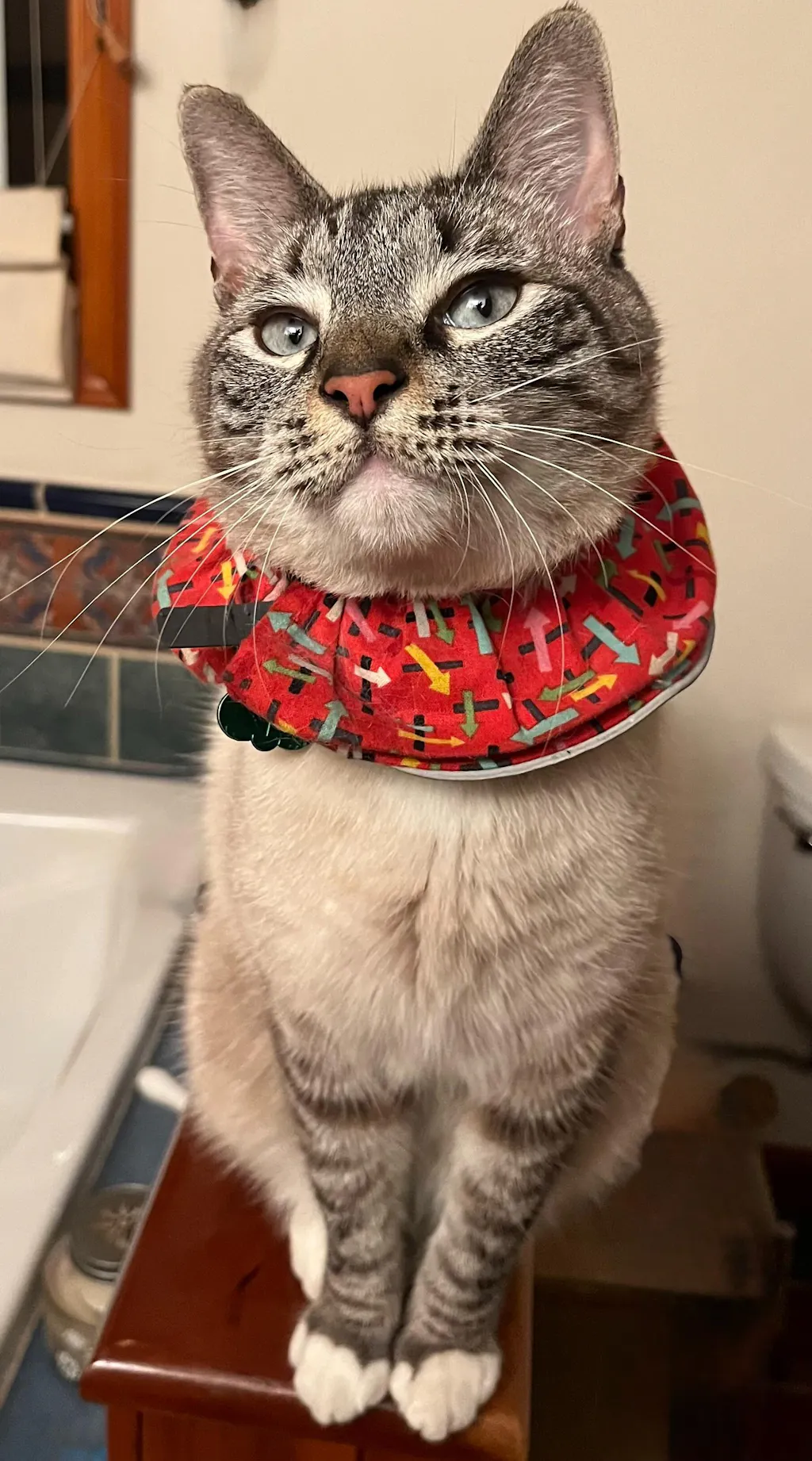
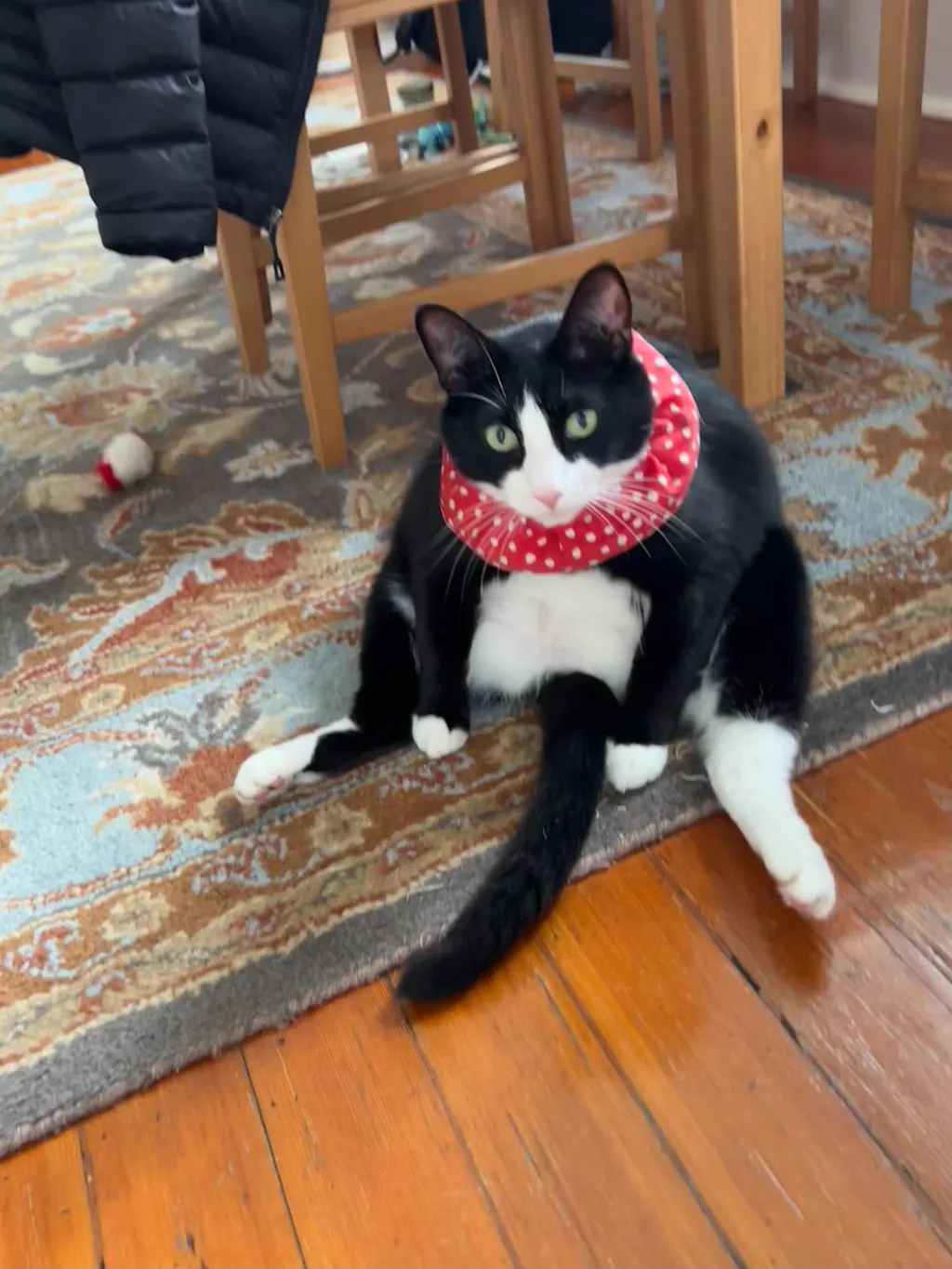
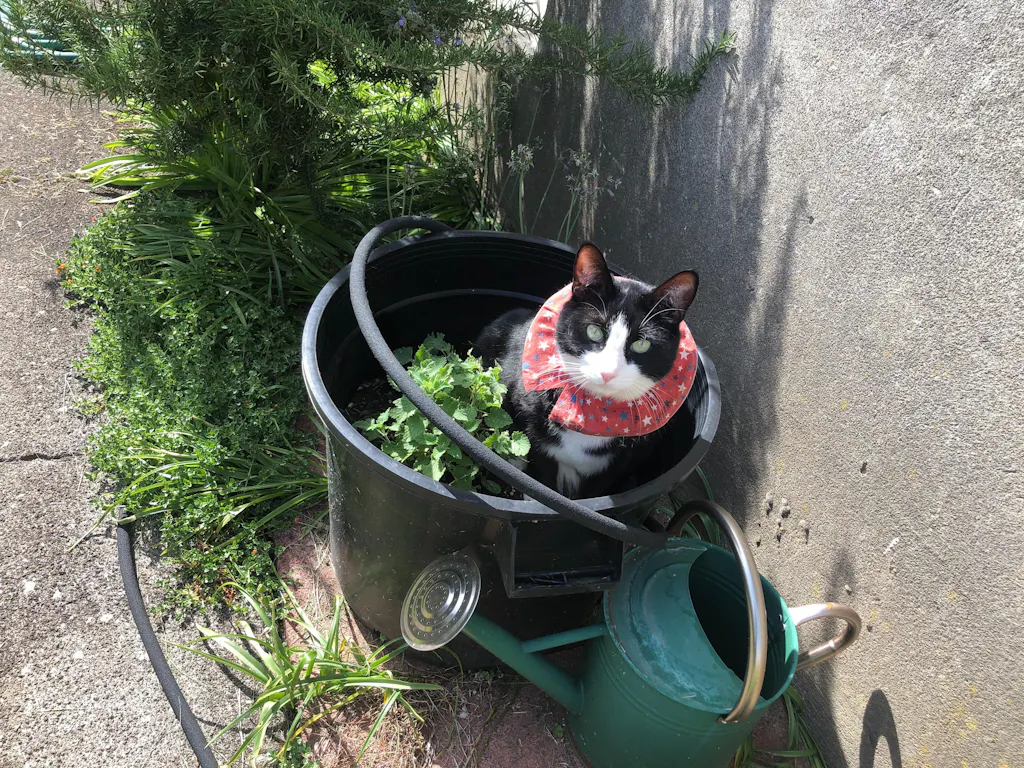
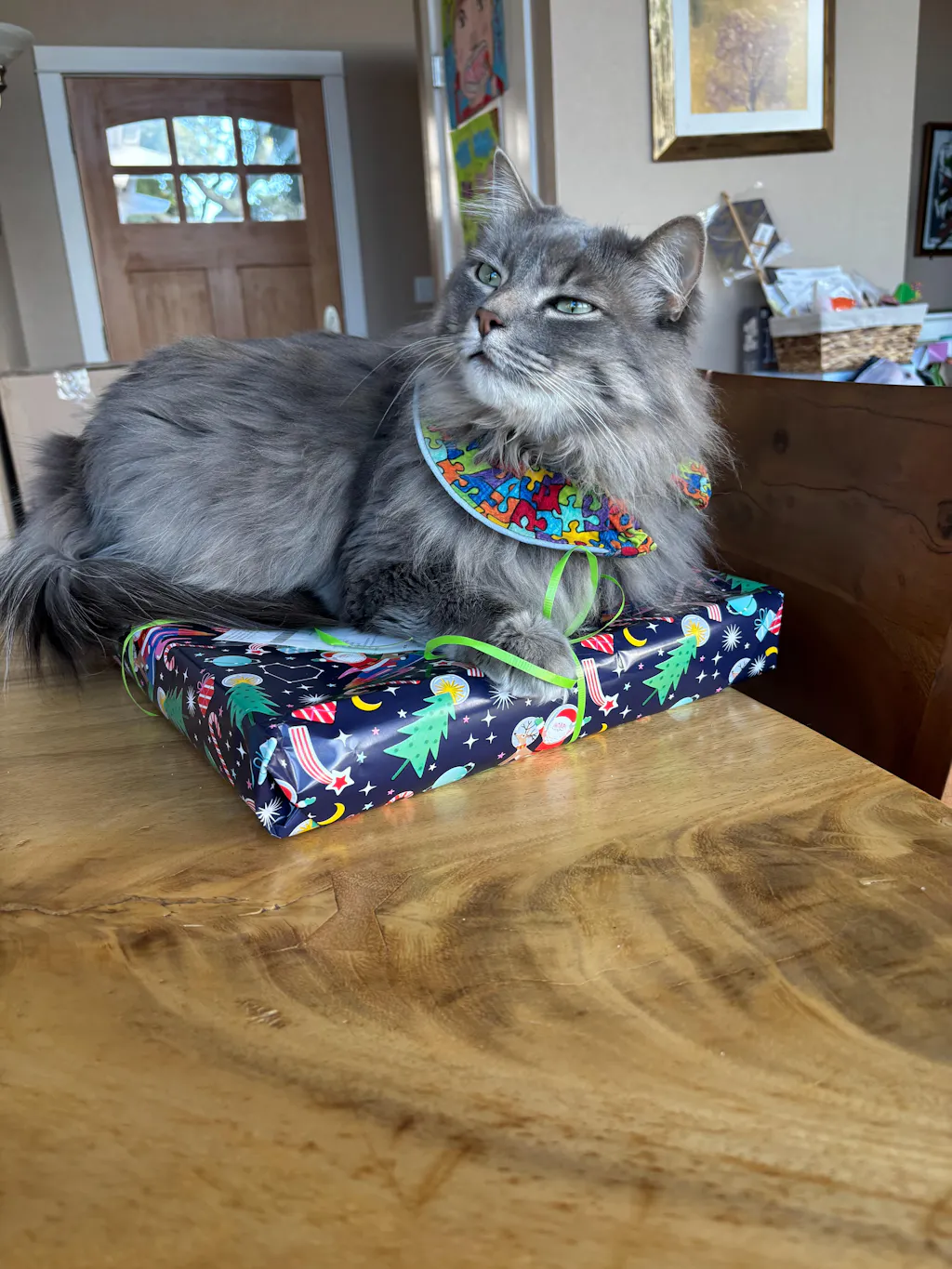
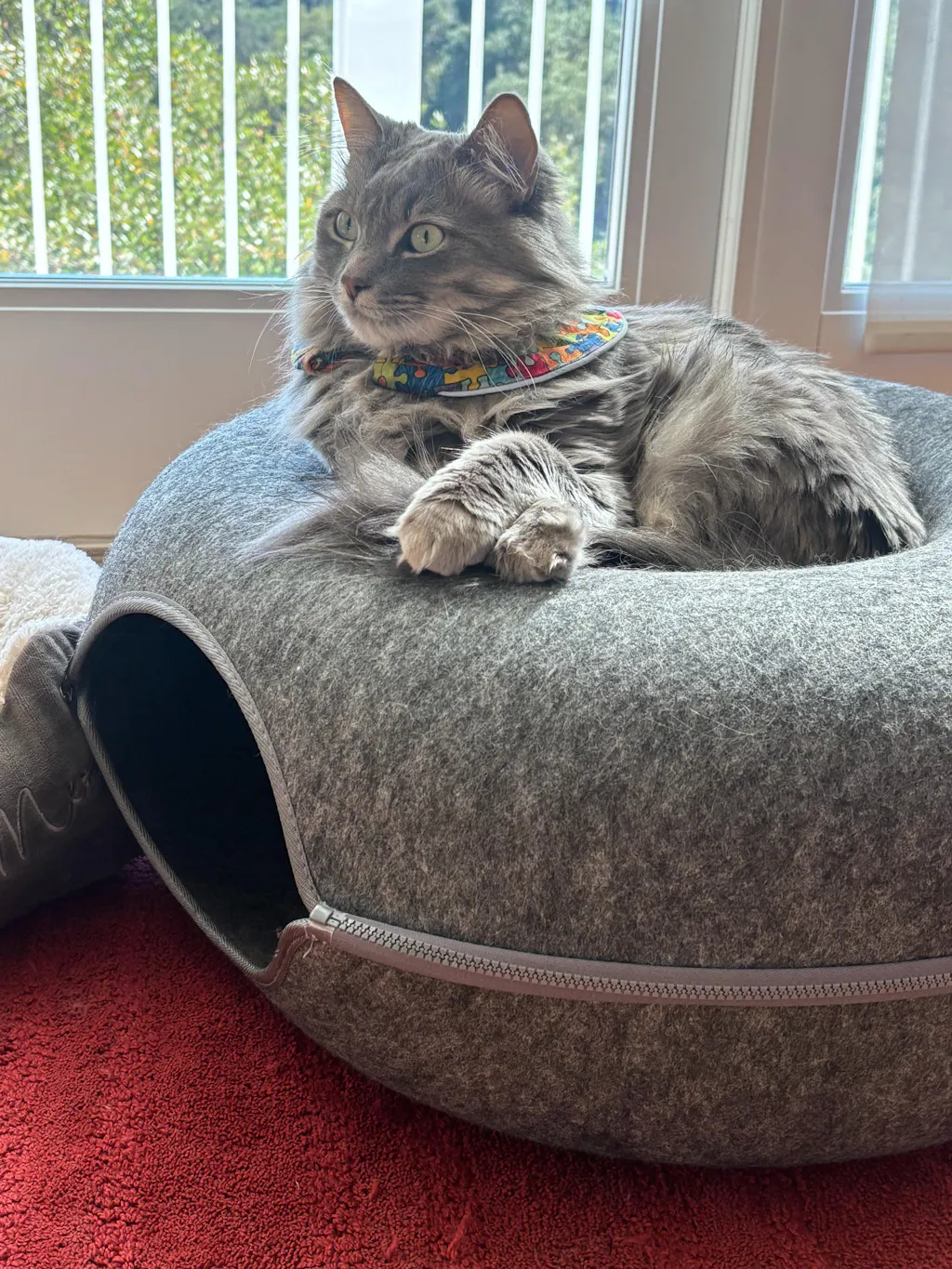
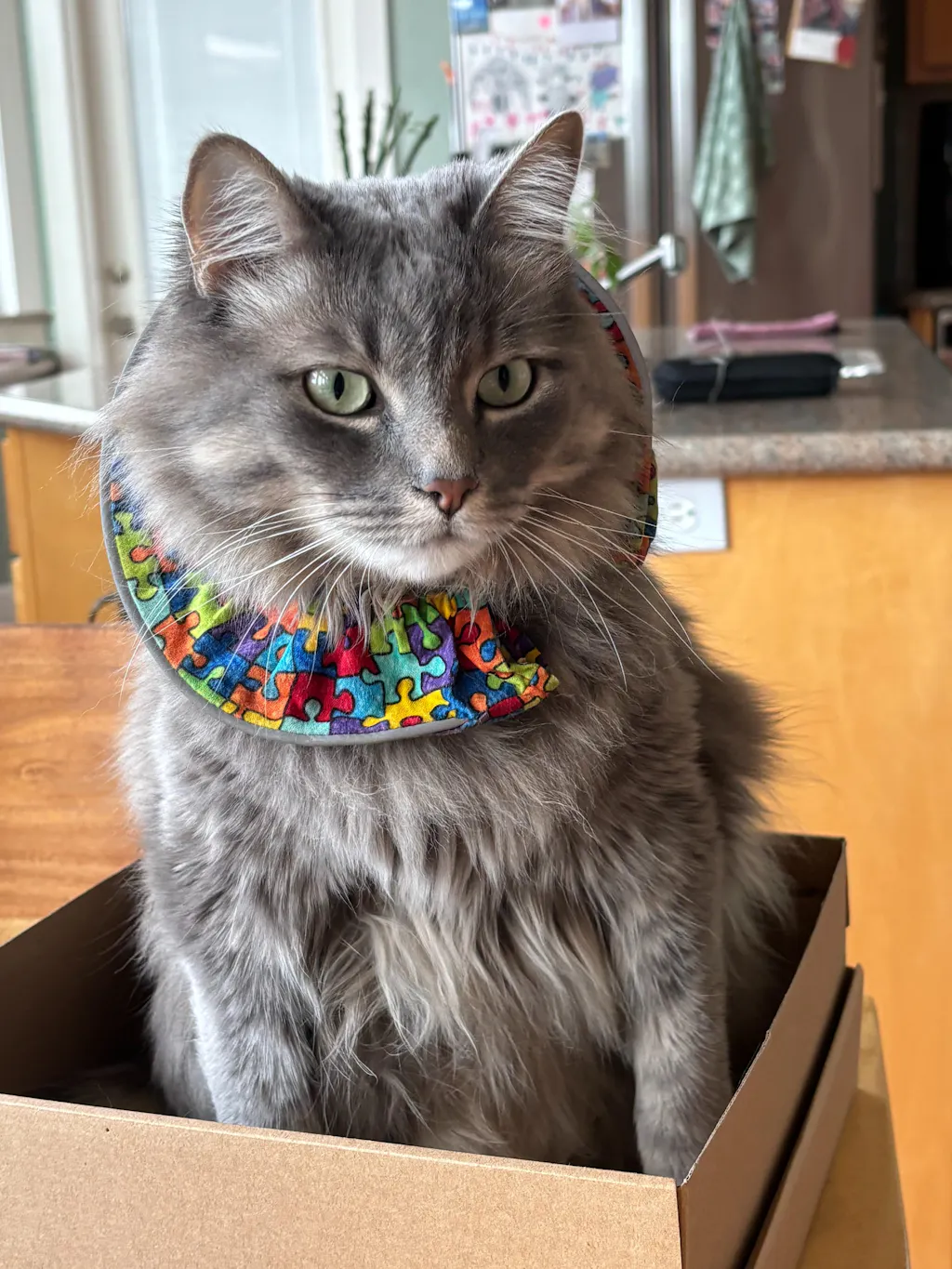
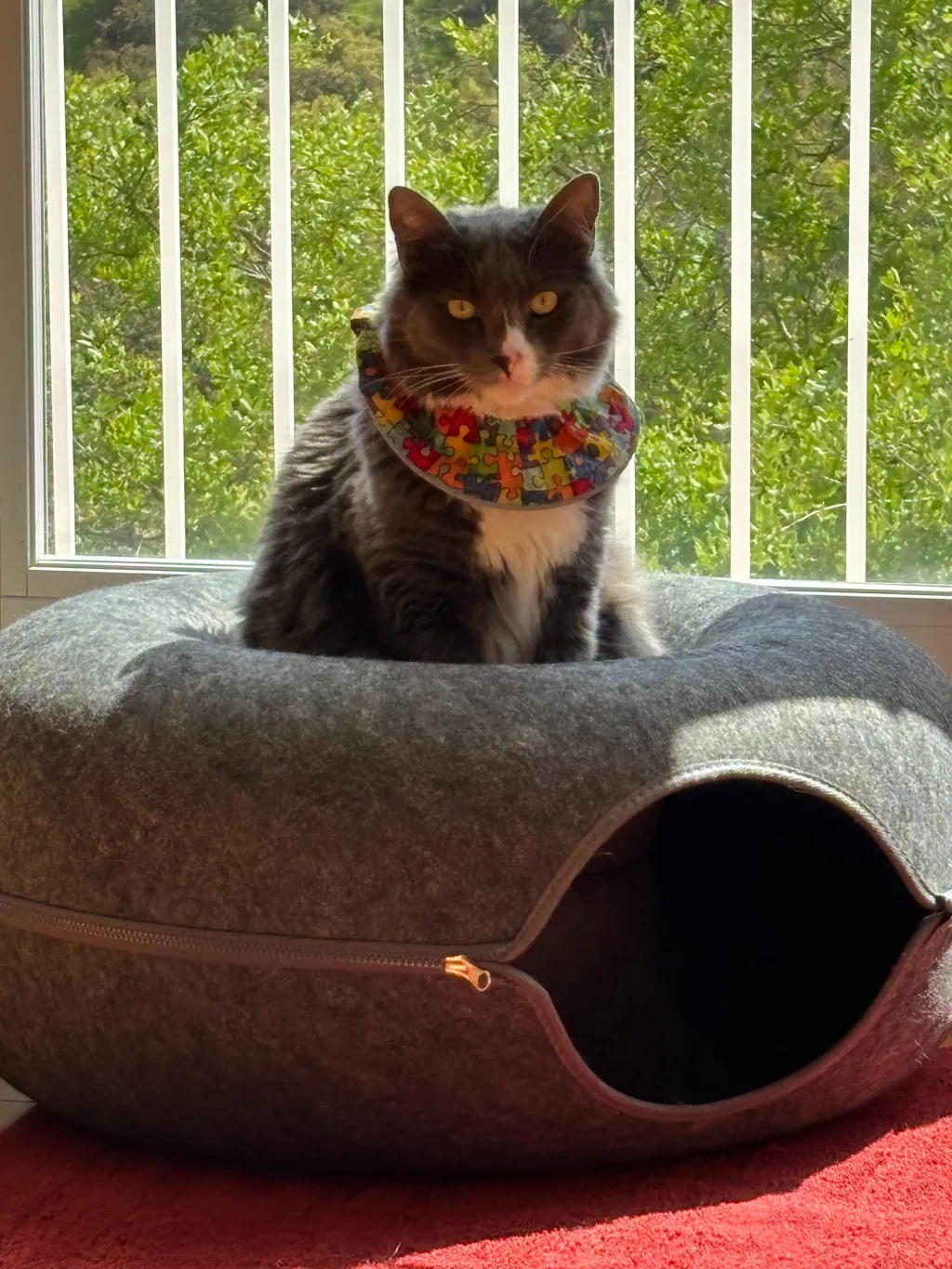
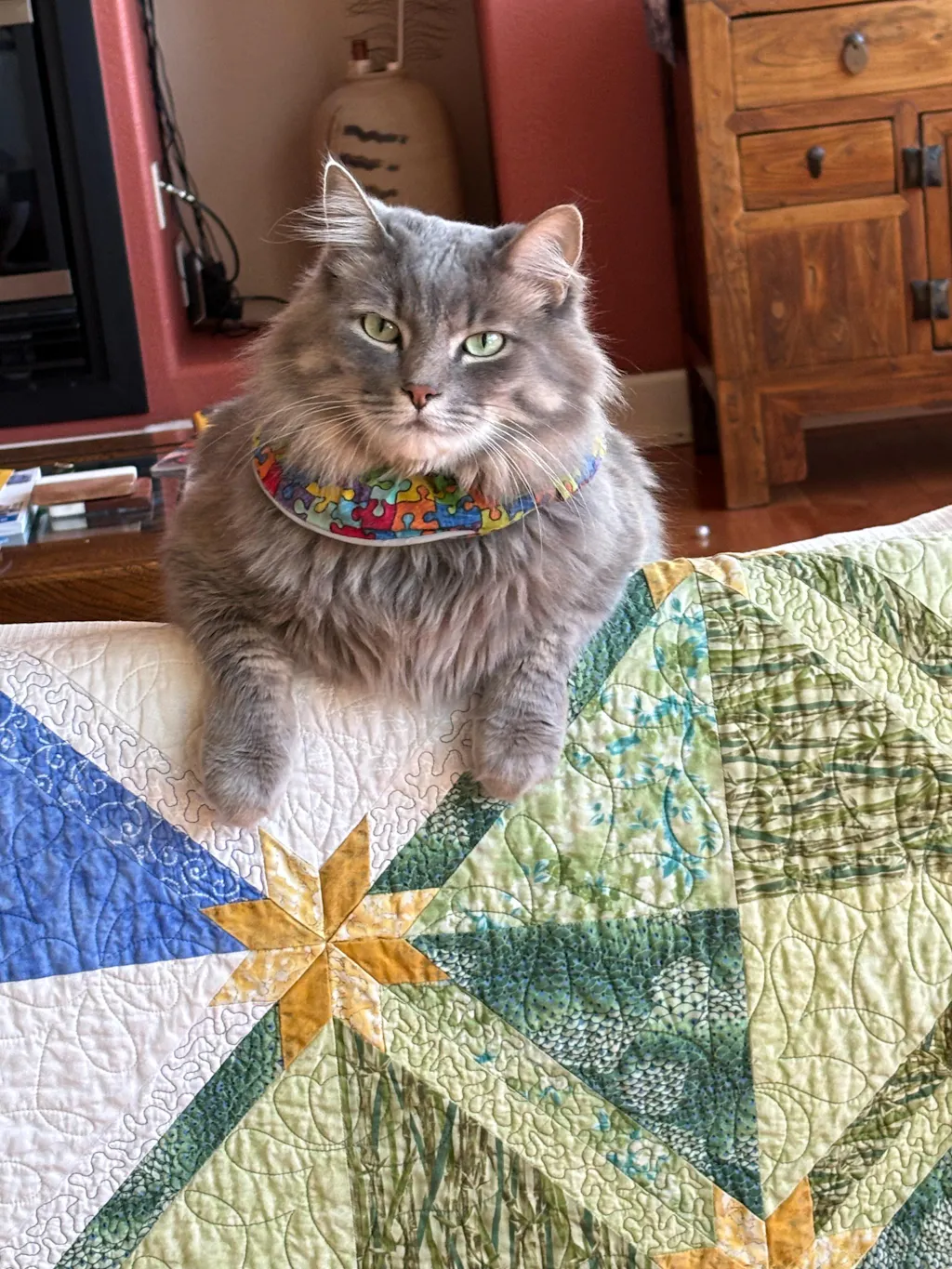
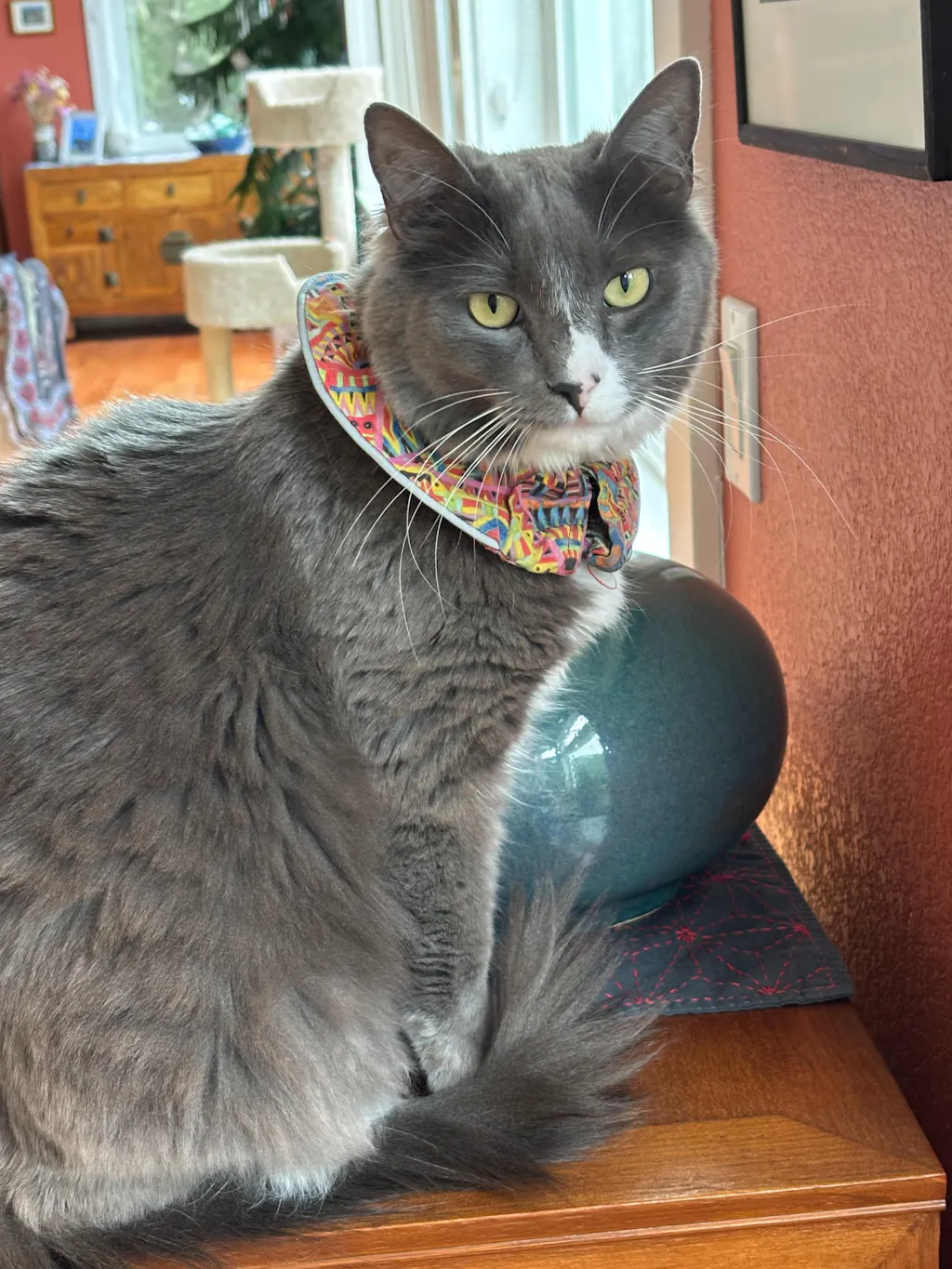
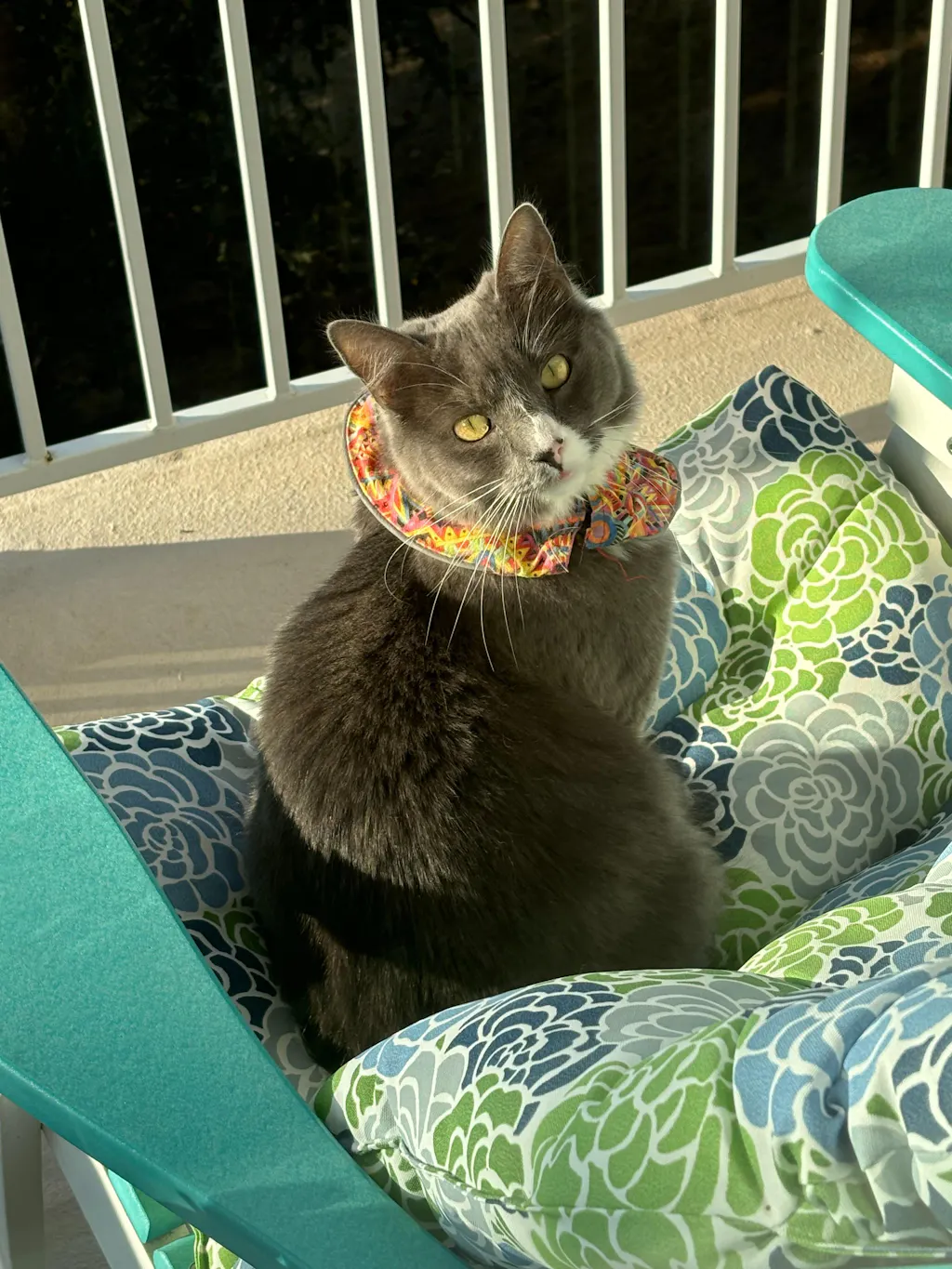
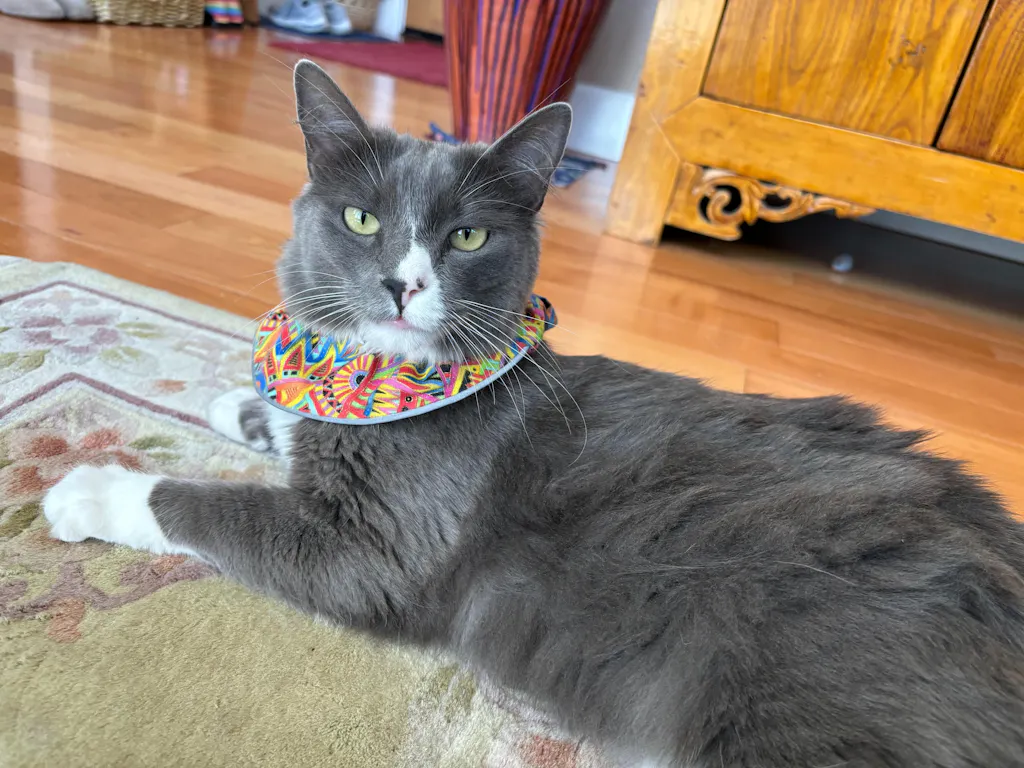
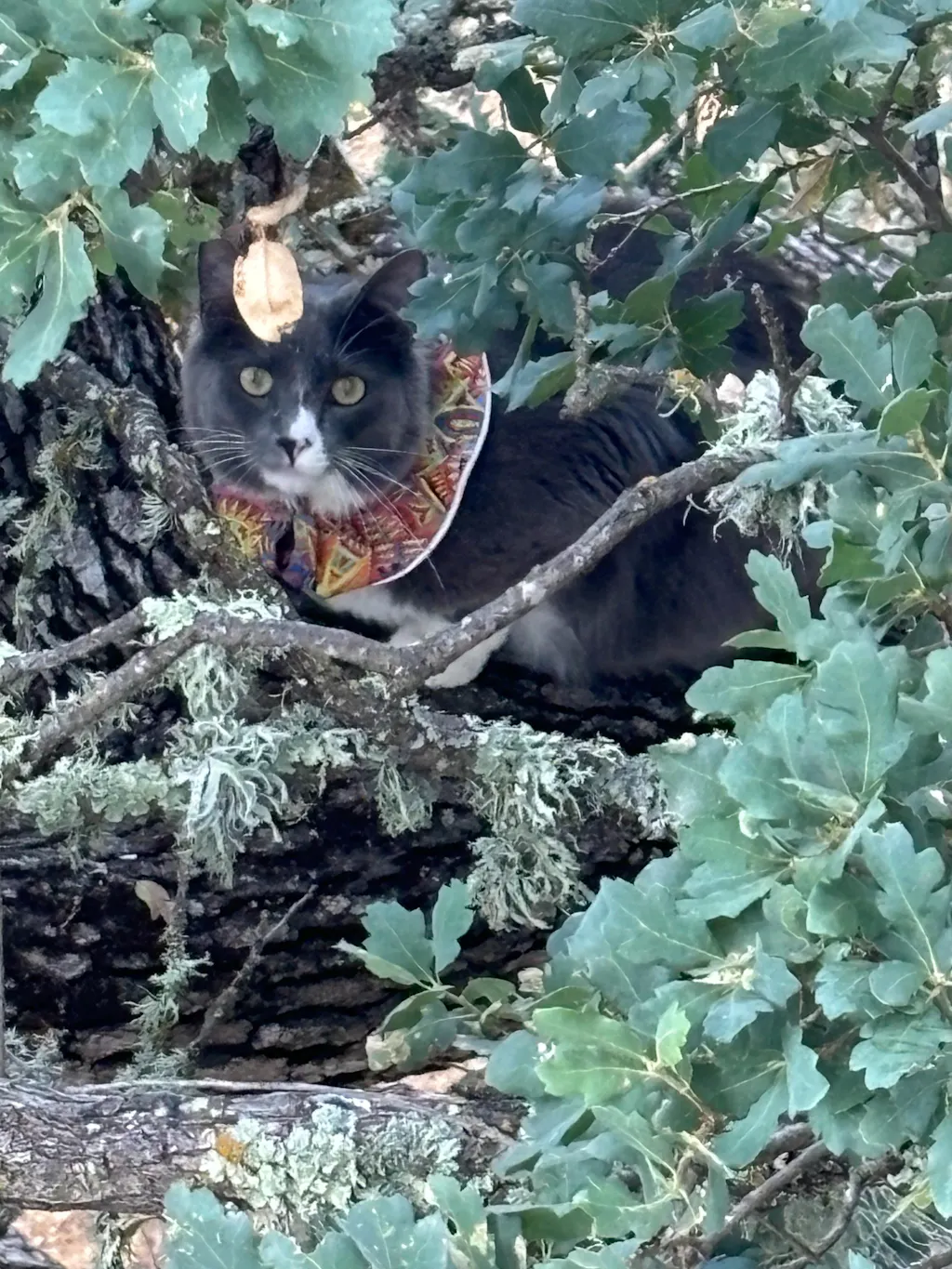
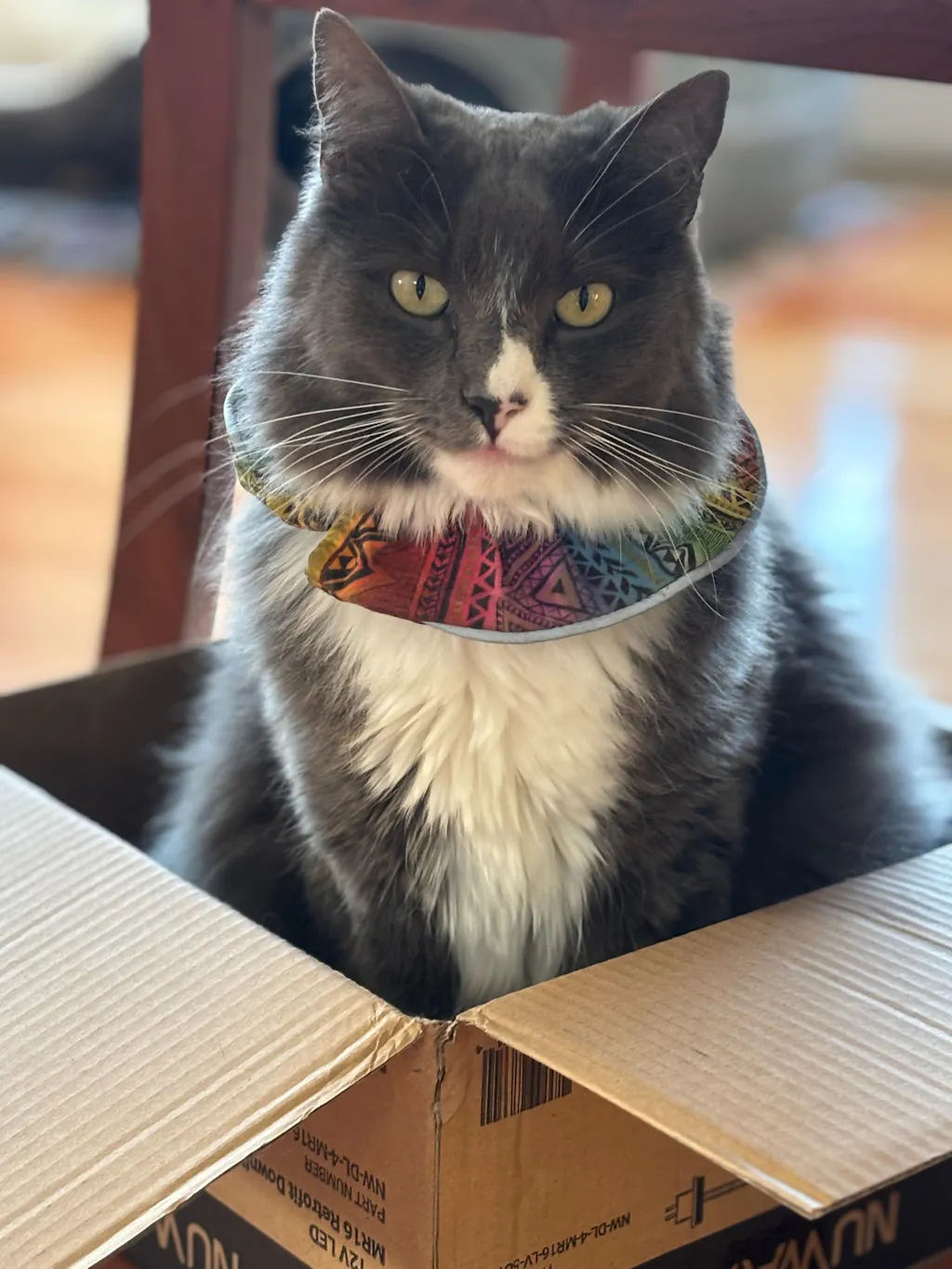
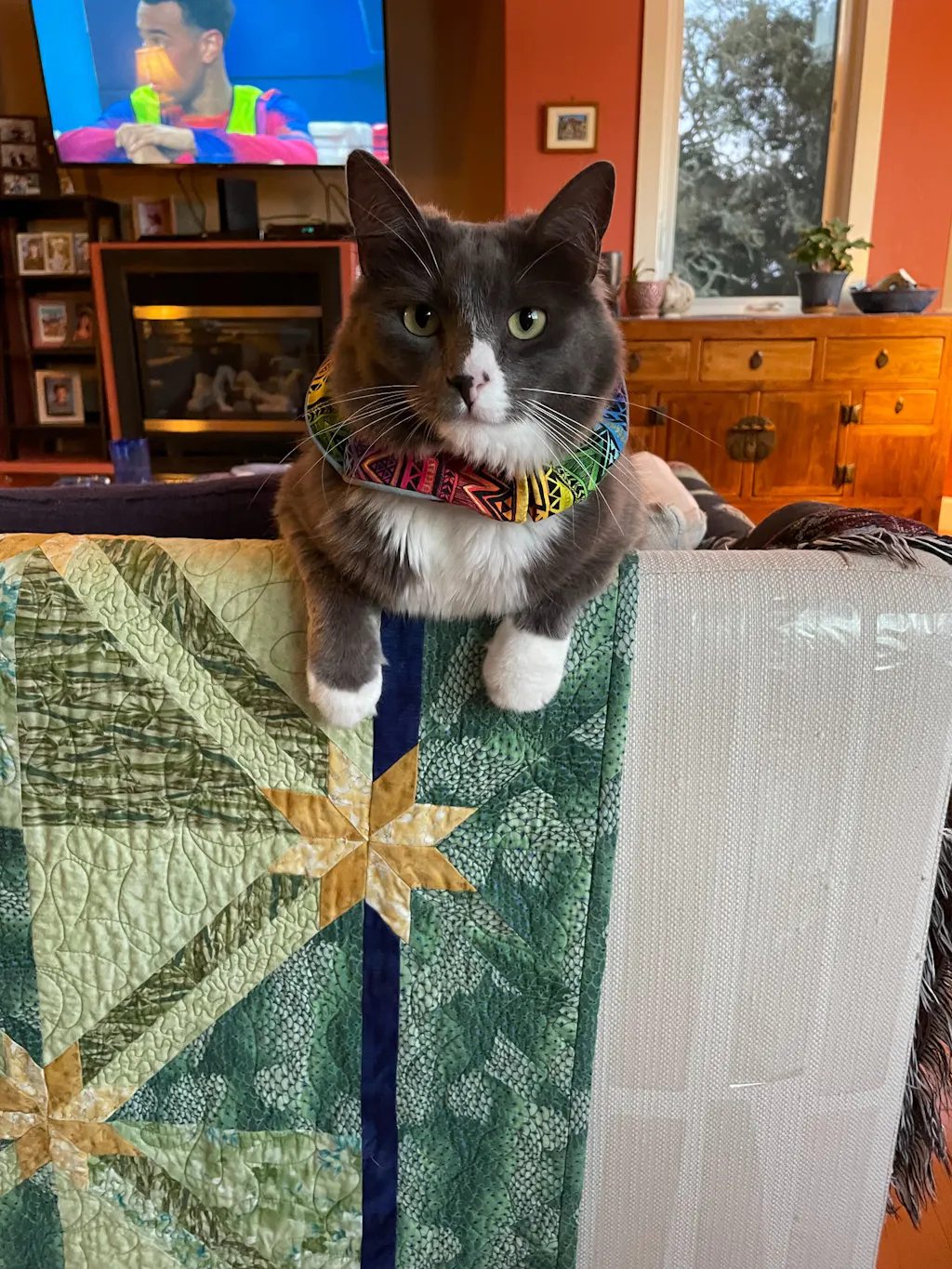
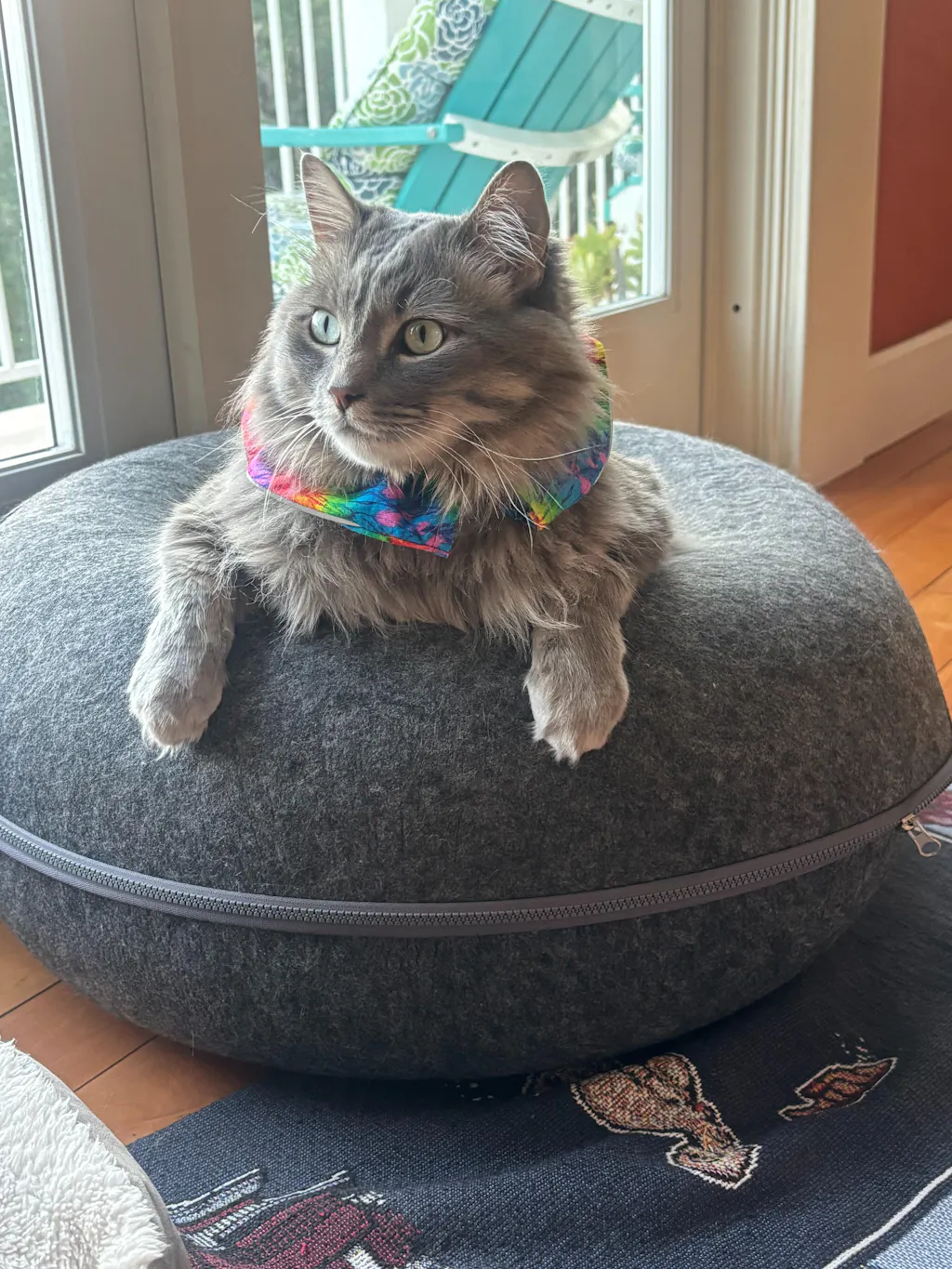
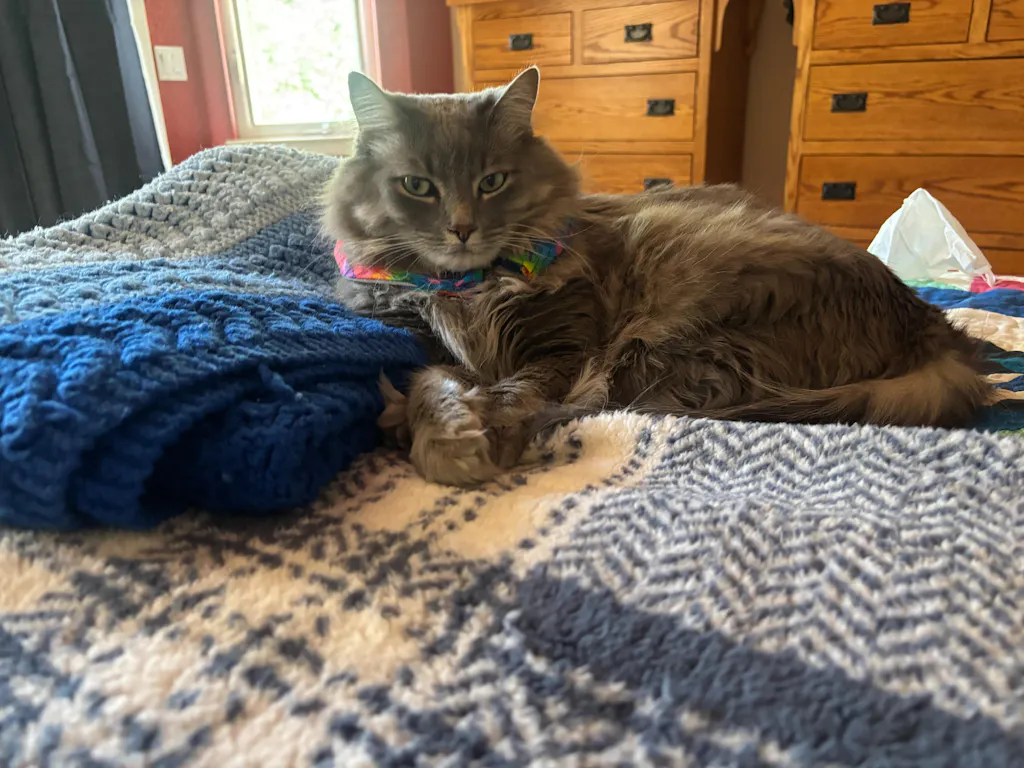
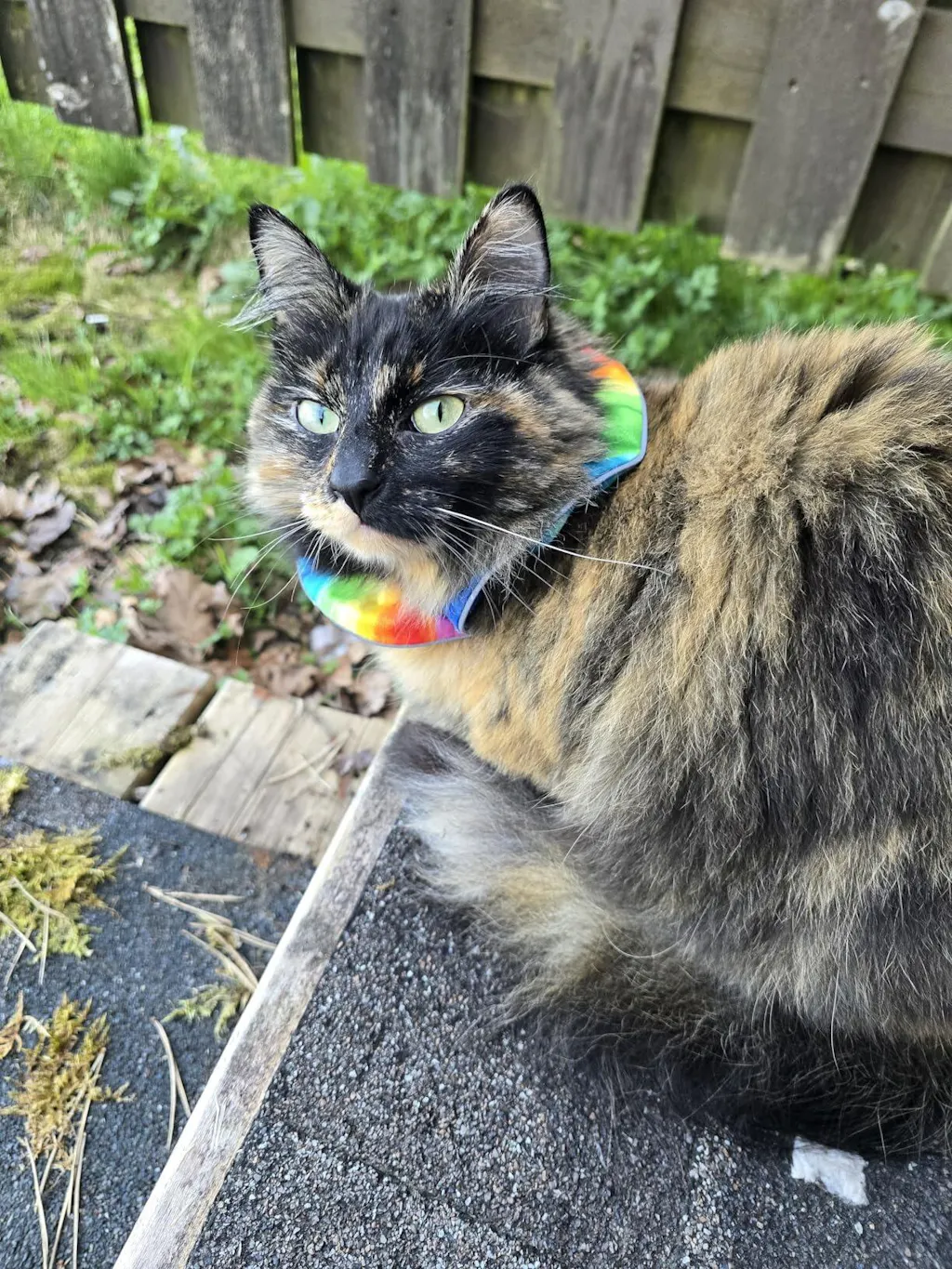
Willow is a stray we took on last year. He began hanging around our house so we fed him, tricked out our shed for him with a heated house and heated water bowl. After a few months of that he decided he lived here so he does! Our two dogs are not thrilled but we make it work.
I also feed birds so the combination was not great. Willow has brought me at least three birds. When I saw him by the feeders I'd go out and let the birds know they needed to fly off.
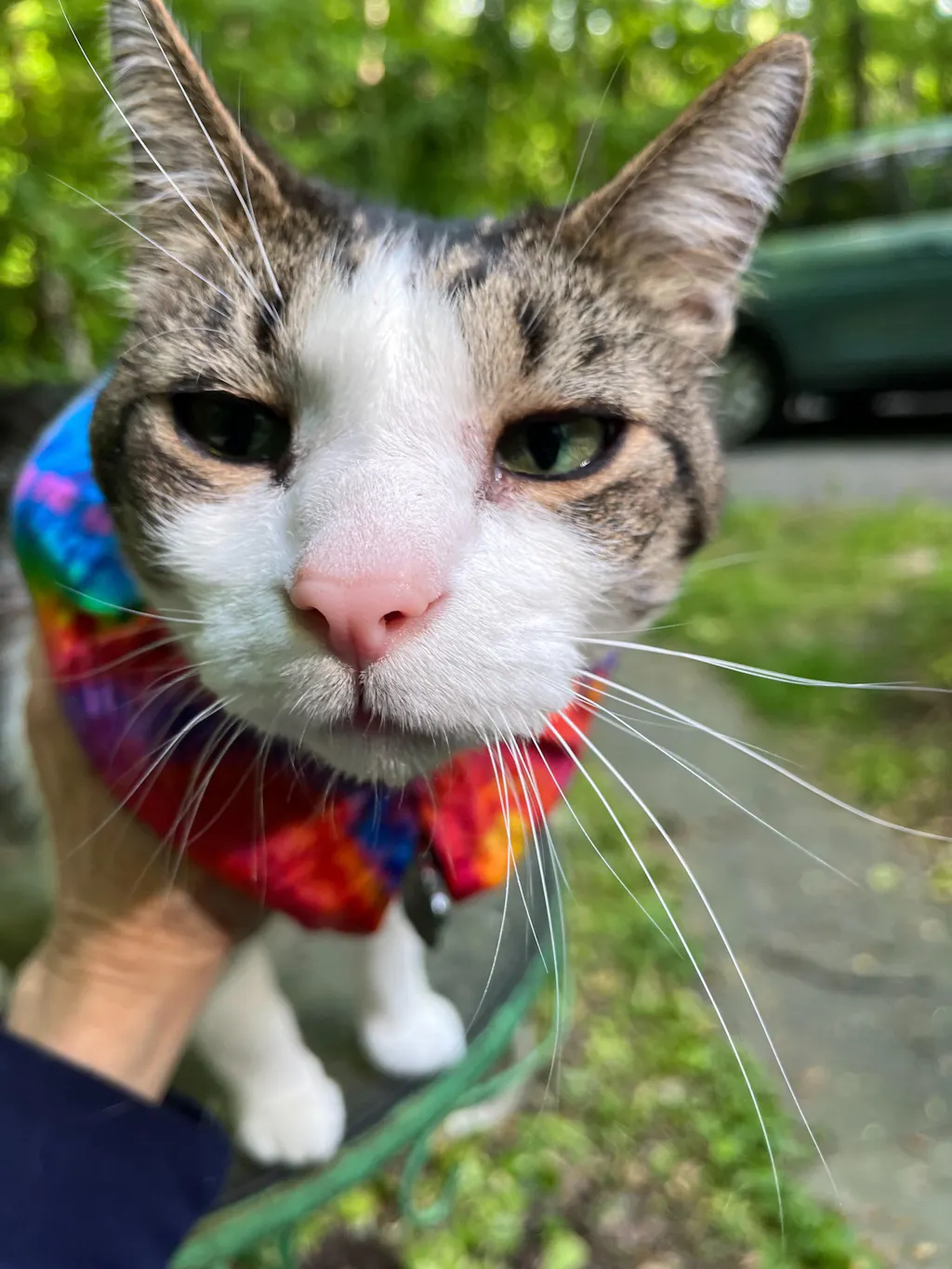
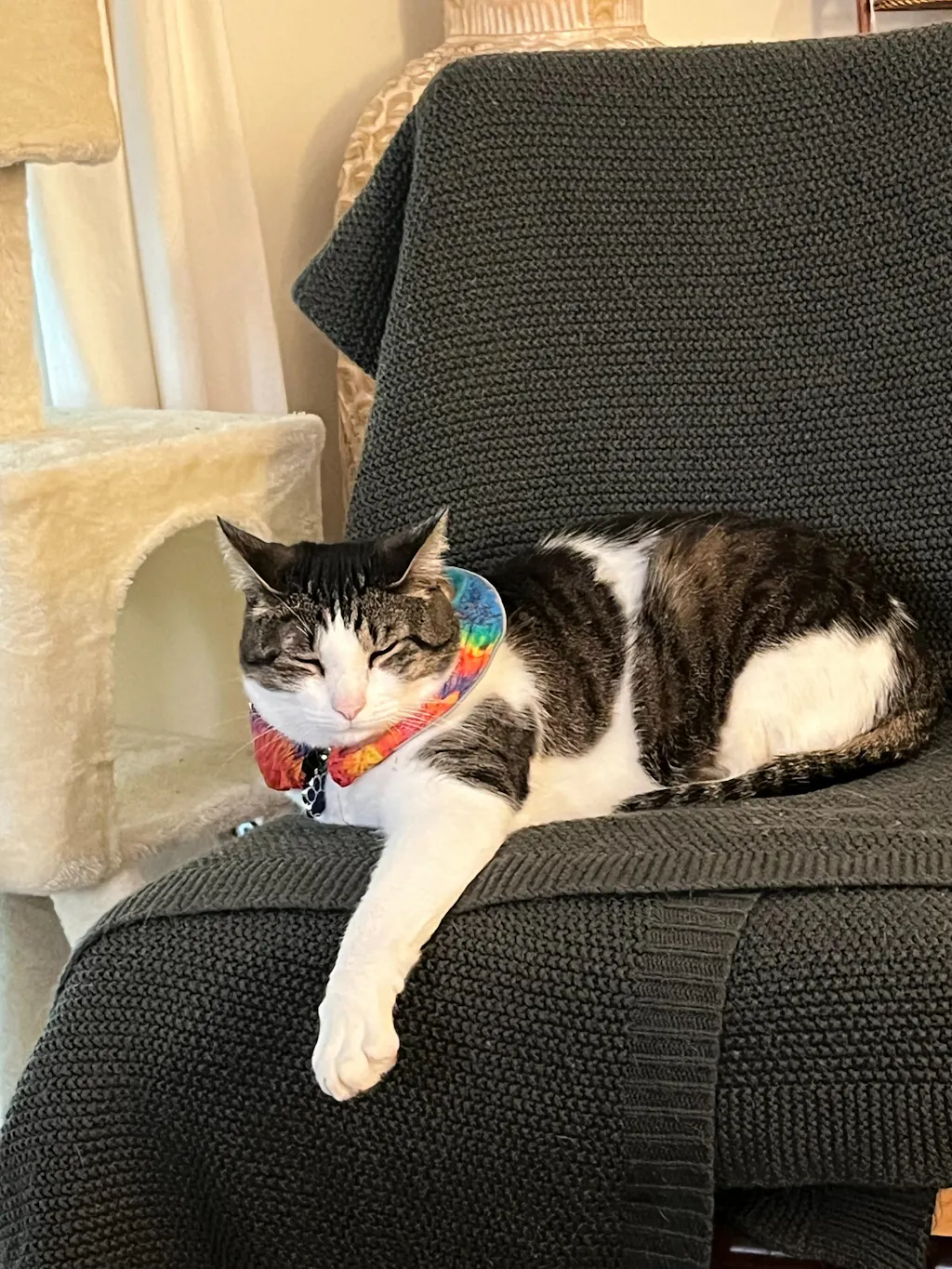
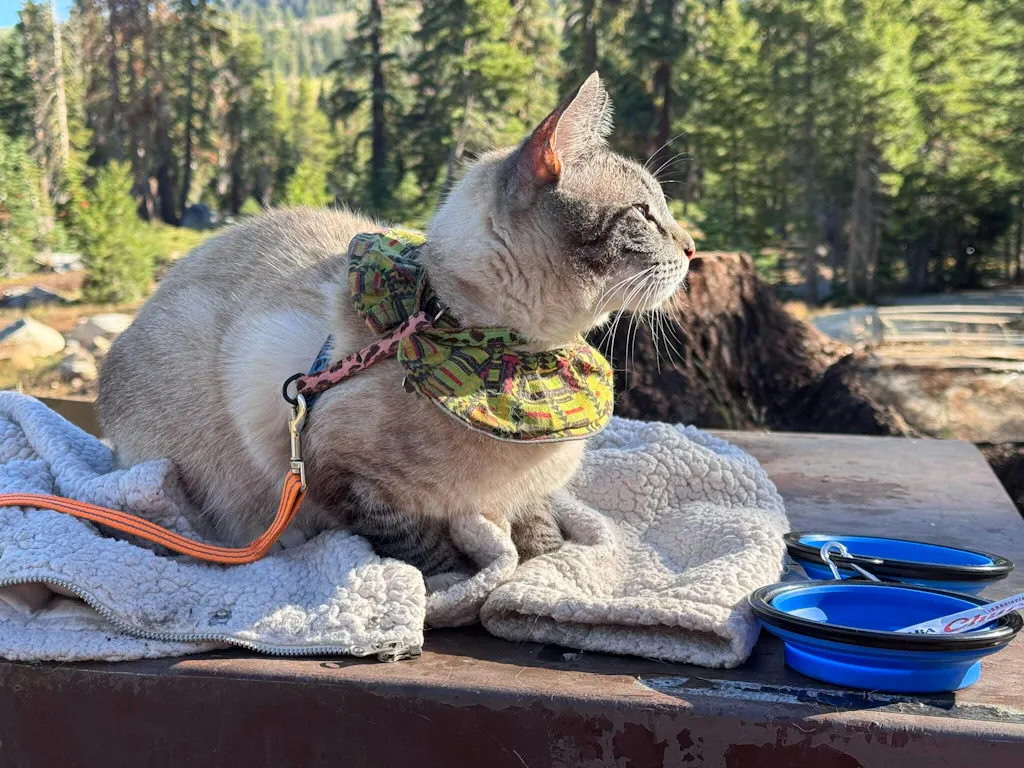
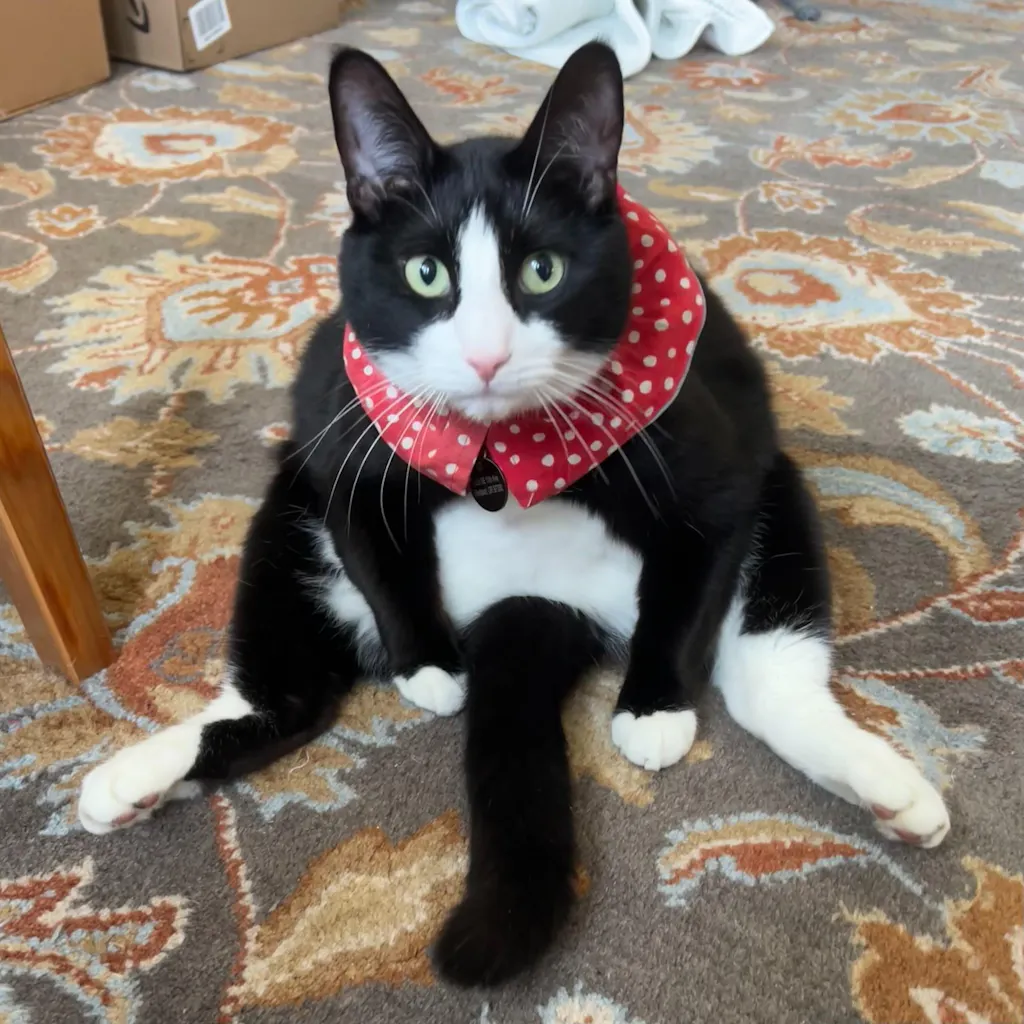
Now they see him coming in his snazzy Birds Be Safe collar! He goes out in the morning to check the world but spends most of his time in the house. I slip the collar on in the morning and remove it in the evening when I close his catio. We love it and I've told our vet and lots of people about it. I read about the collar in The Atlantic and ordered right away!!
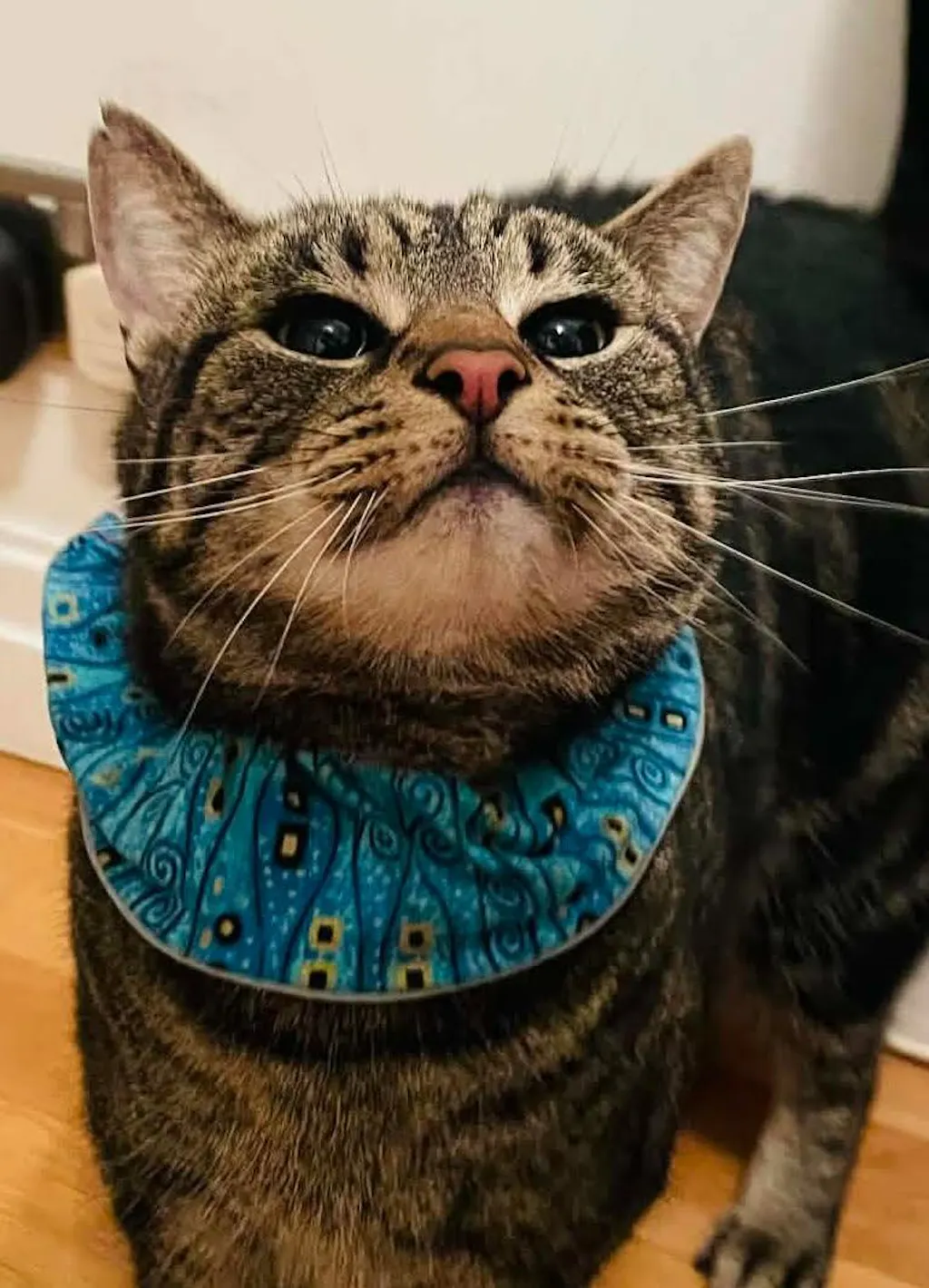
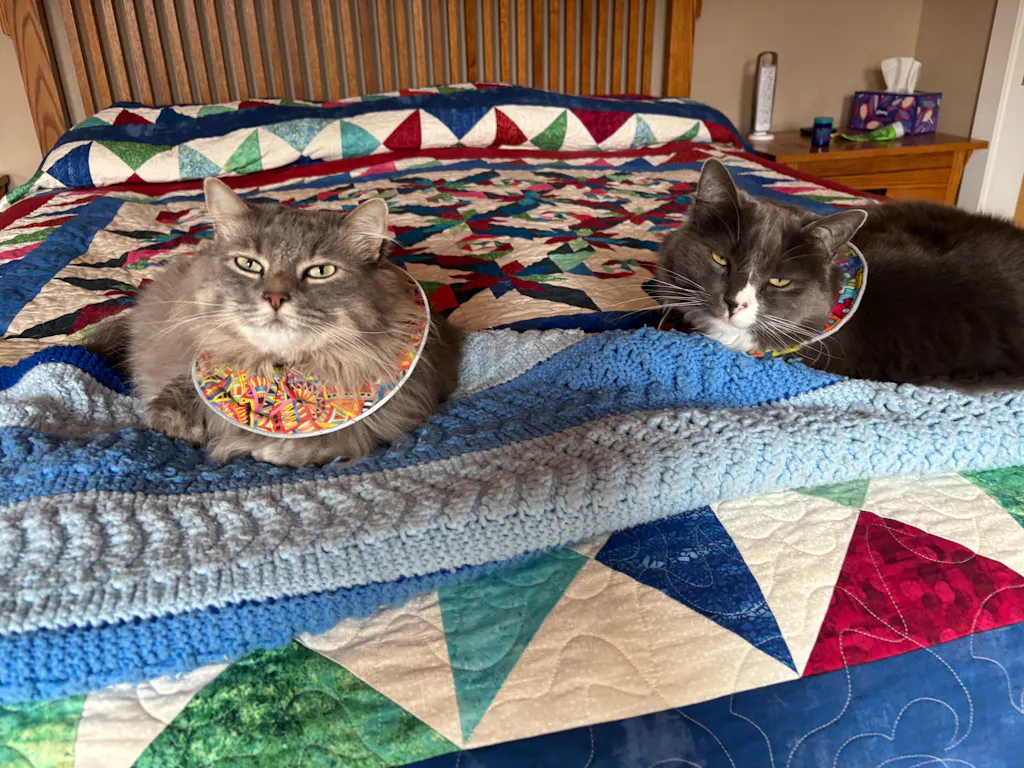
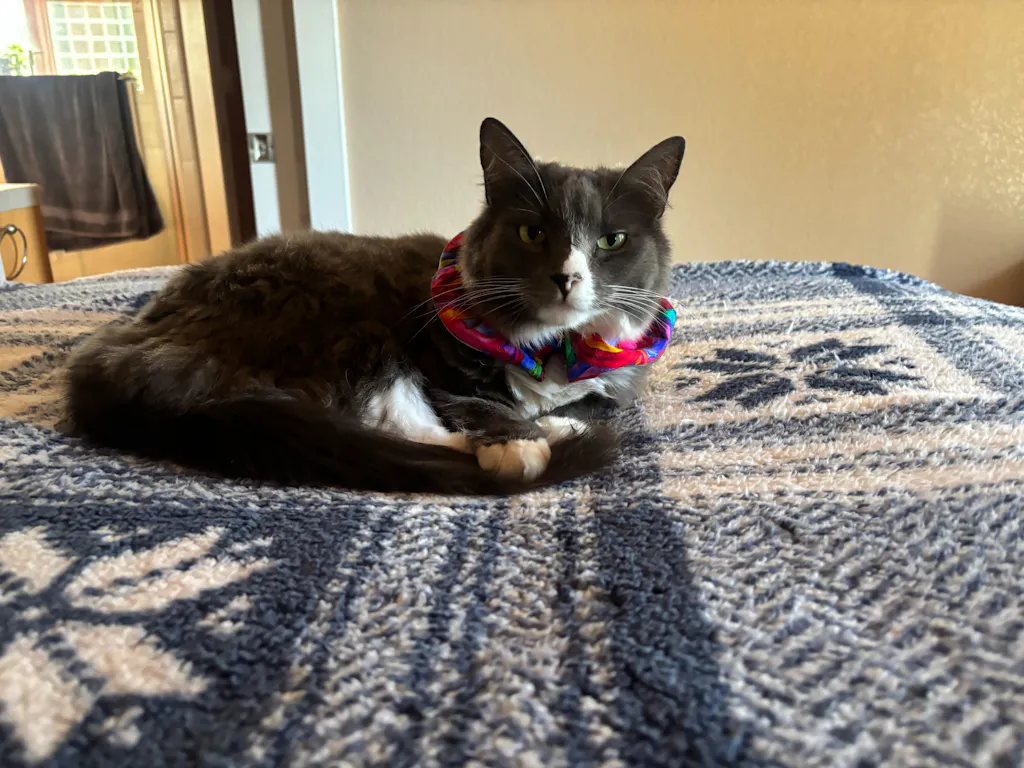
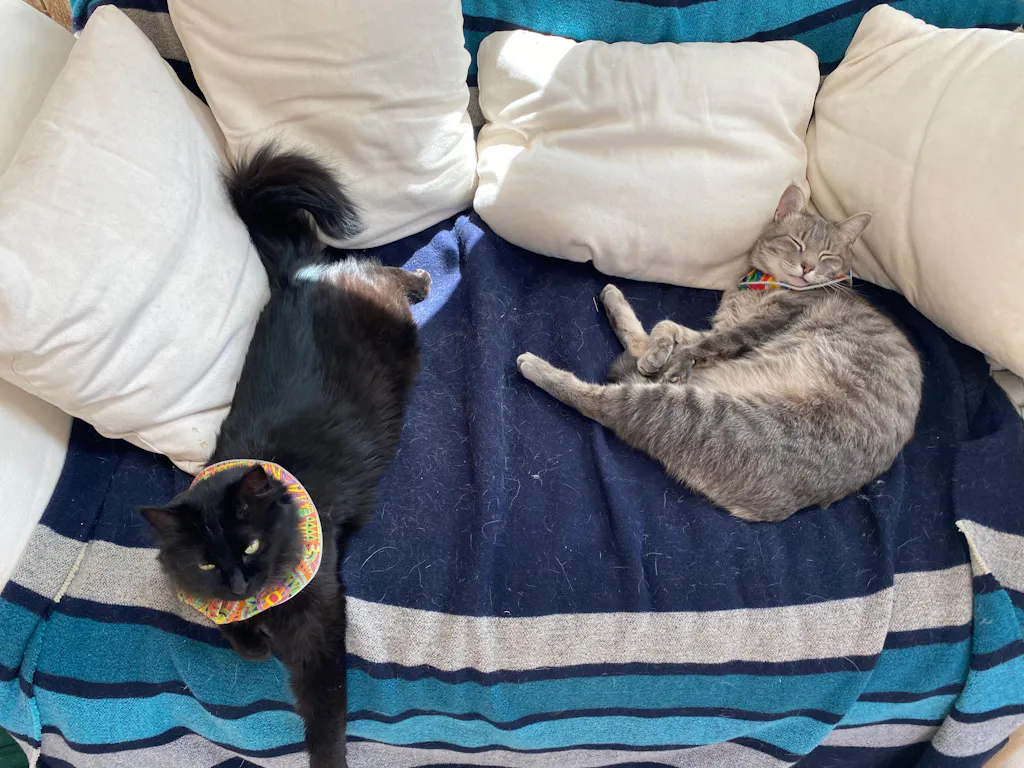
We love a of our collars! Mr and Misses "Cool" cats!
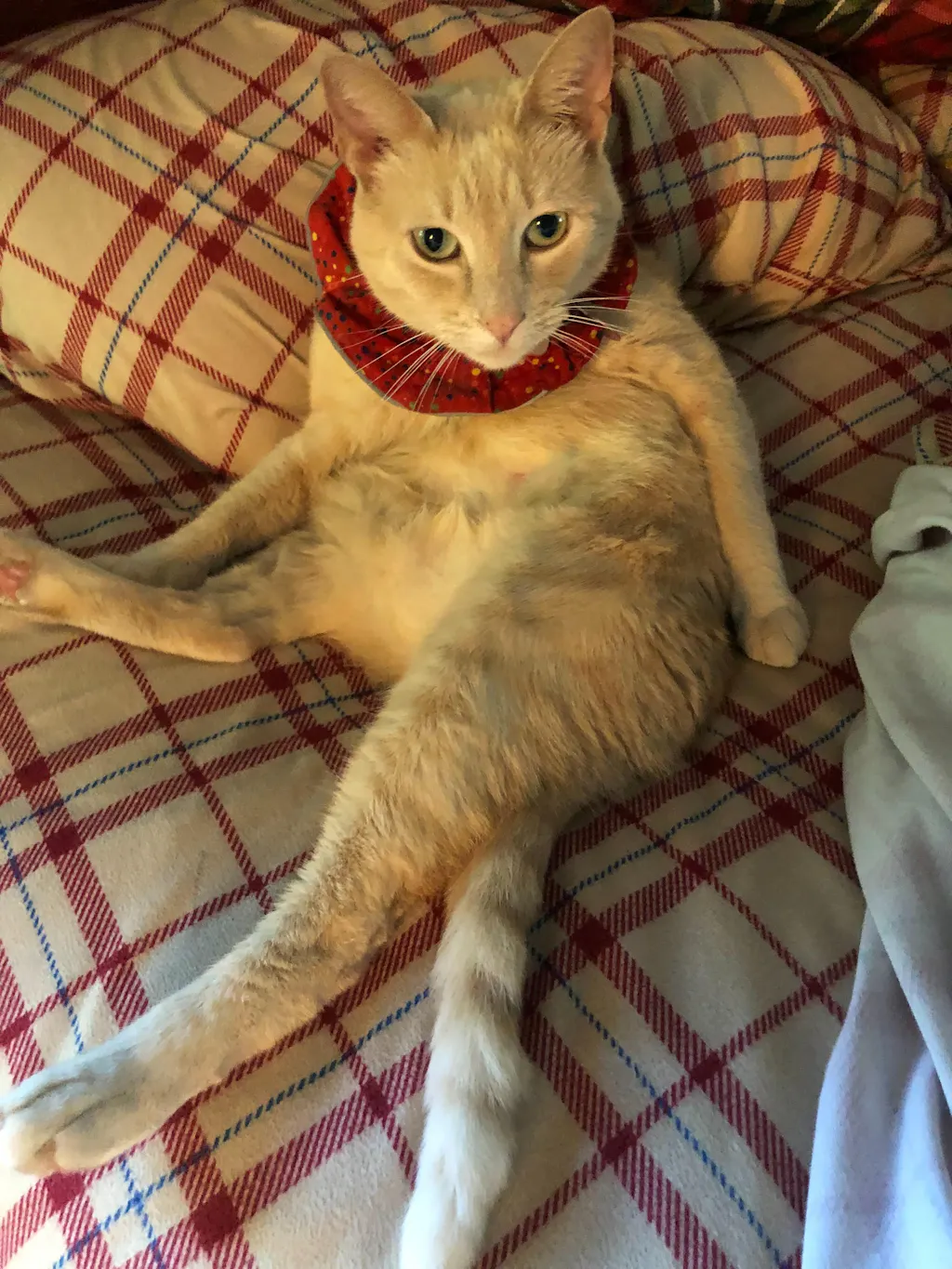
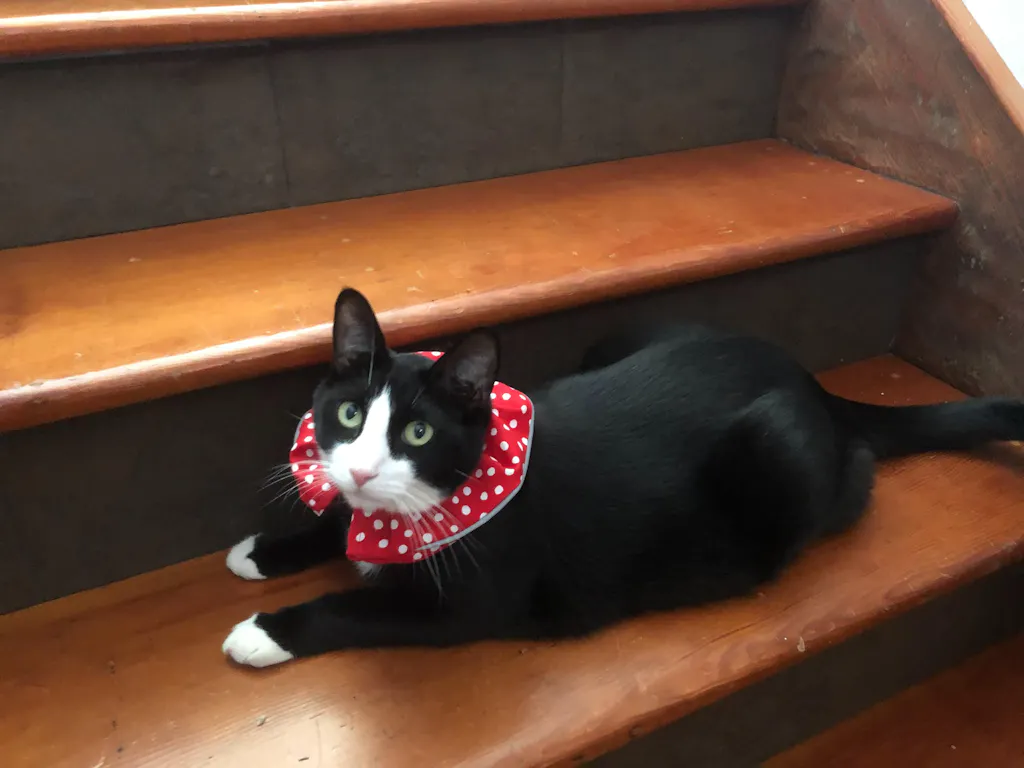
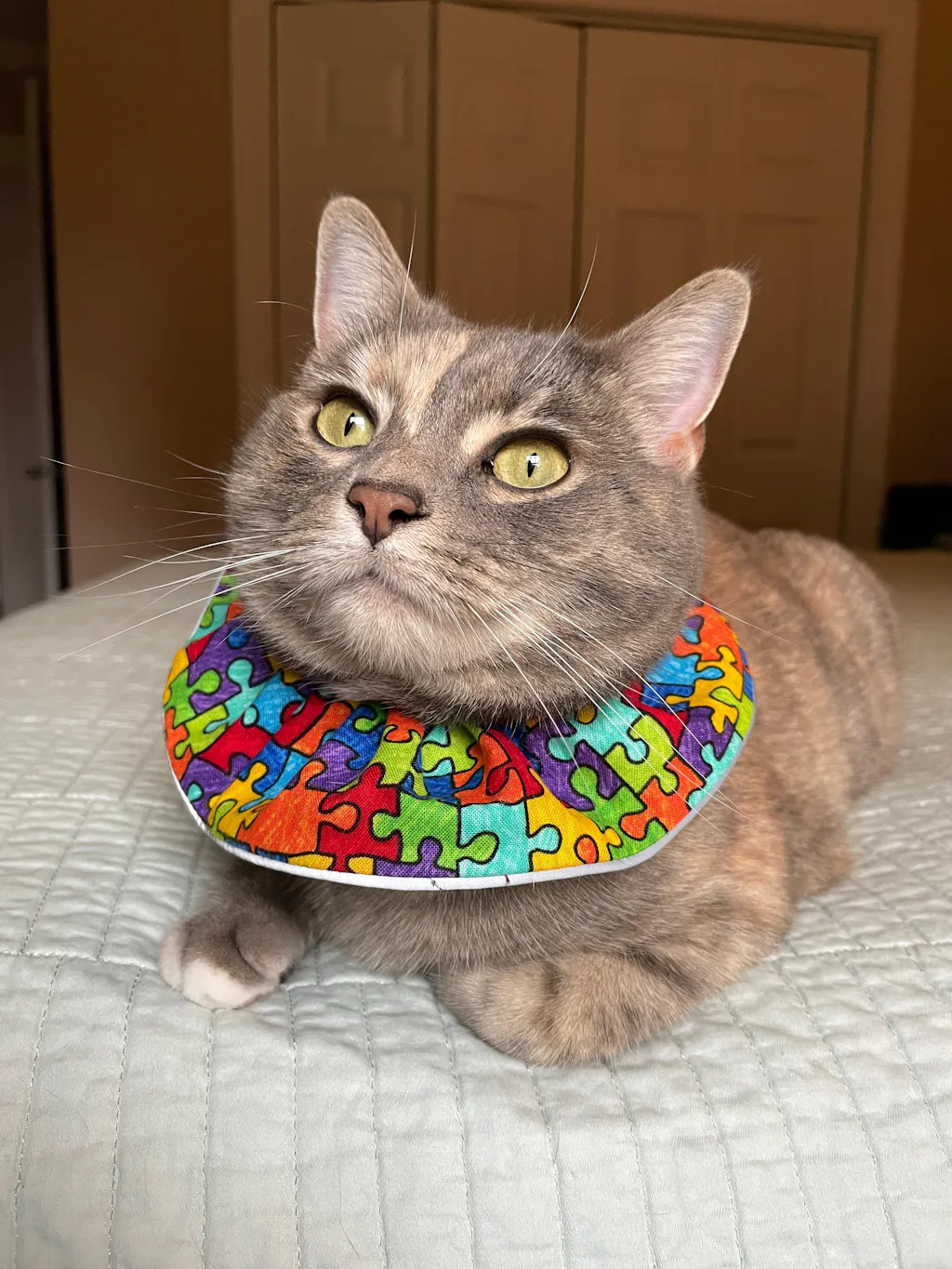
We have had so many different ones :-) All striking! My cats never are bothered by it and they are comfortable. Definitely has reduced the bird kill rate. I tell everyone about it since they can't help but ask, give. How good they look!
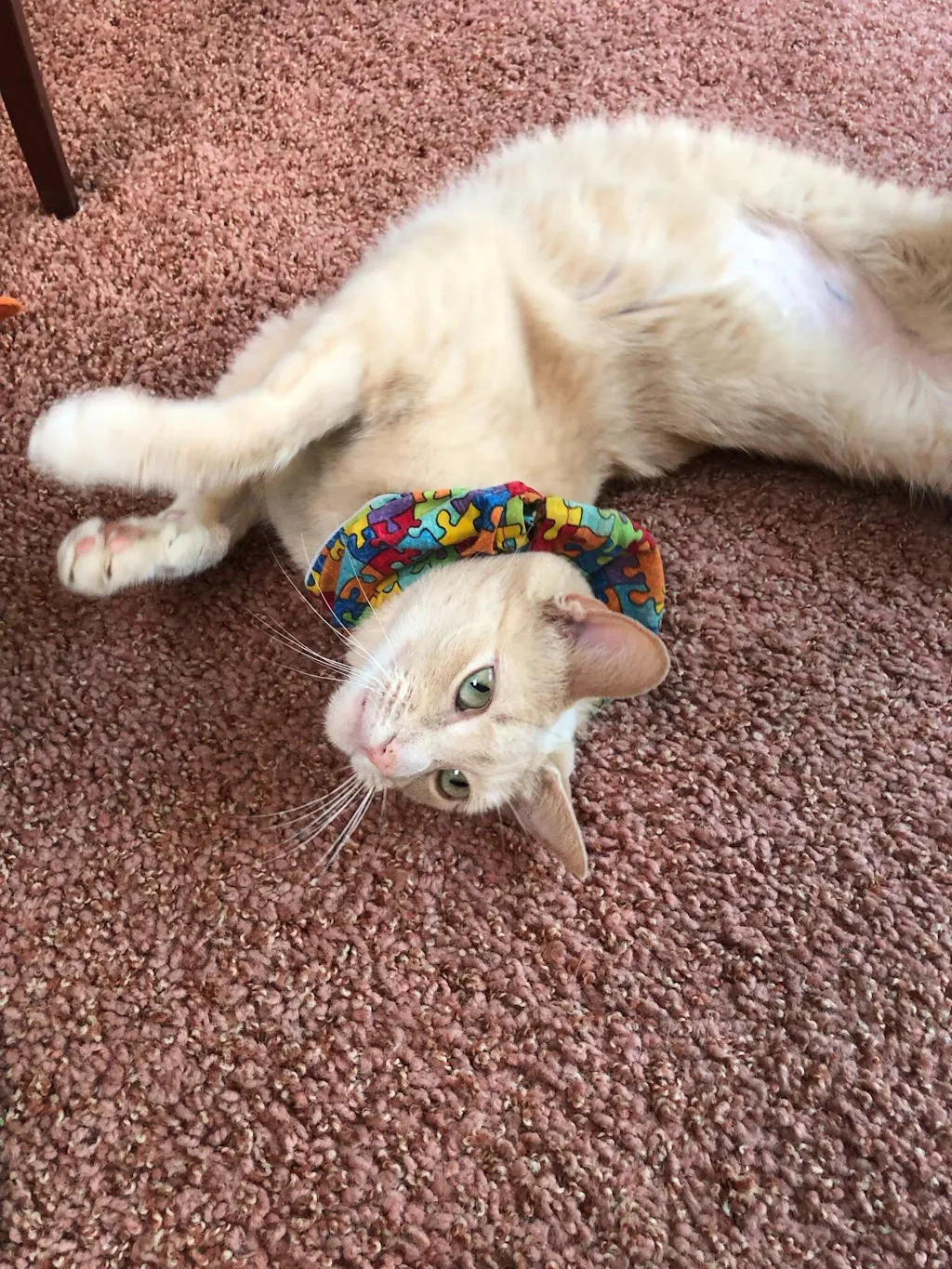
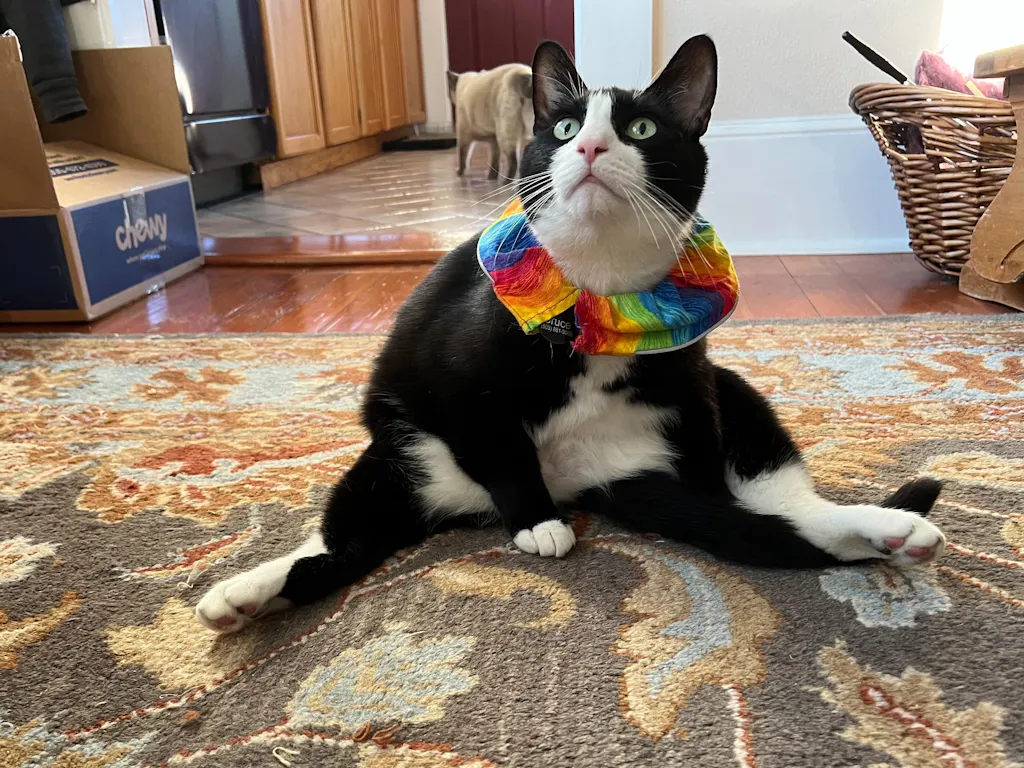
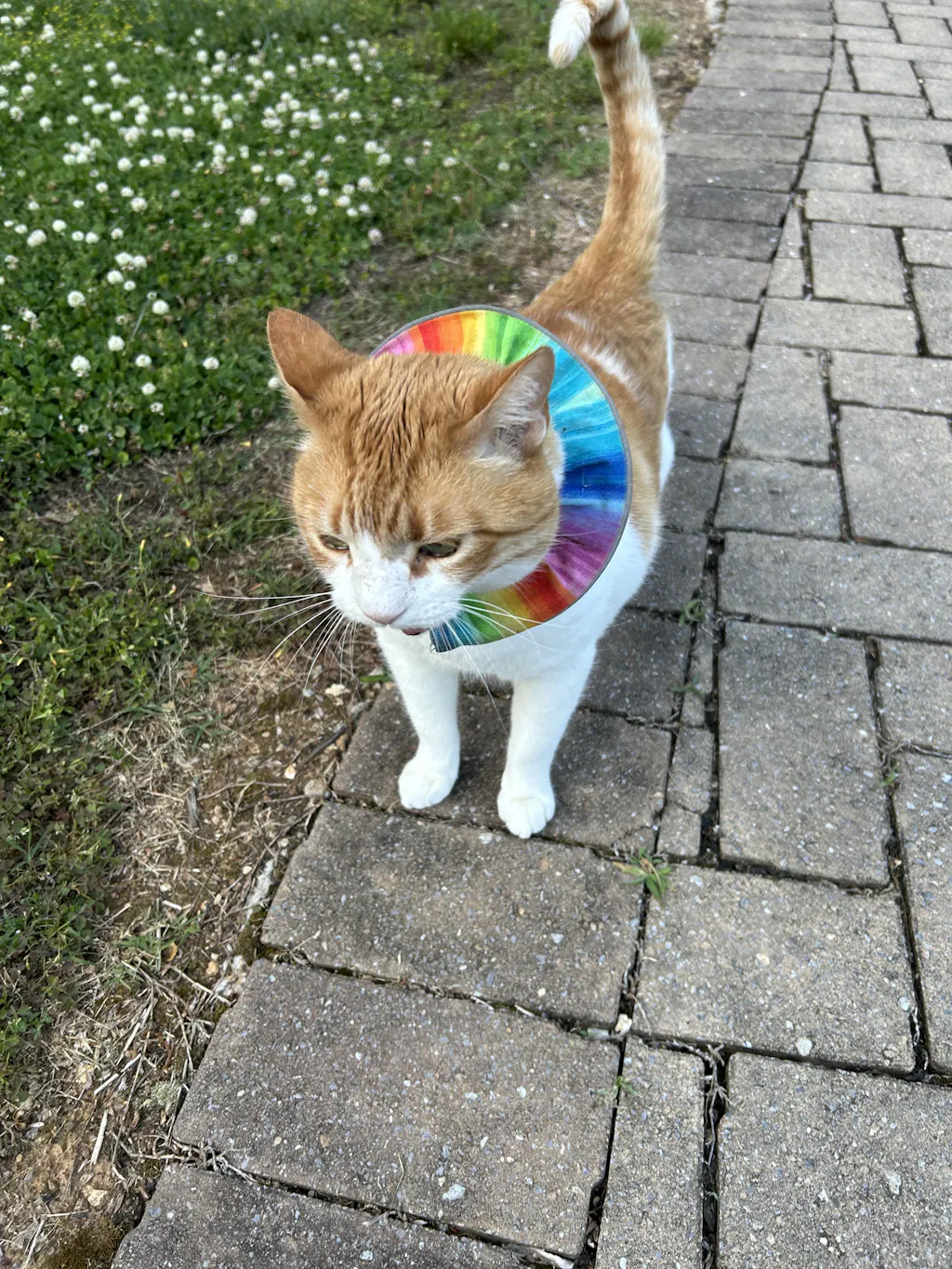
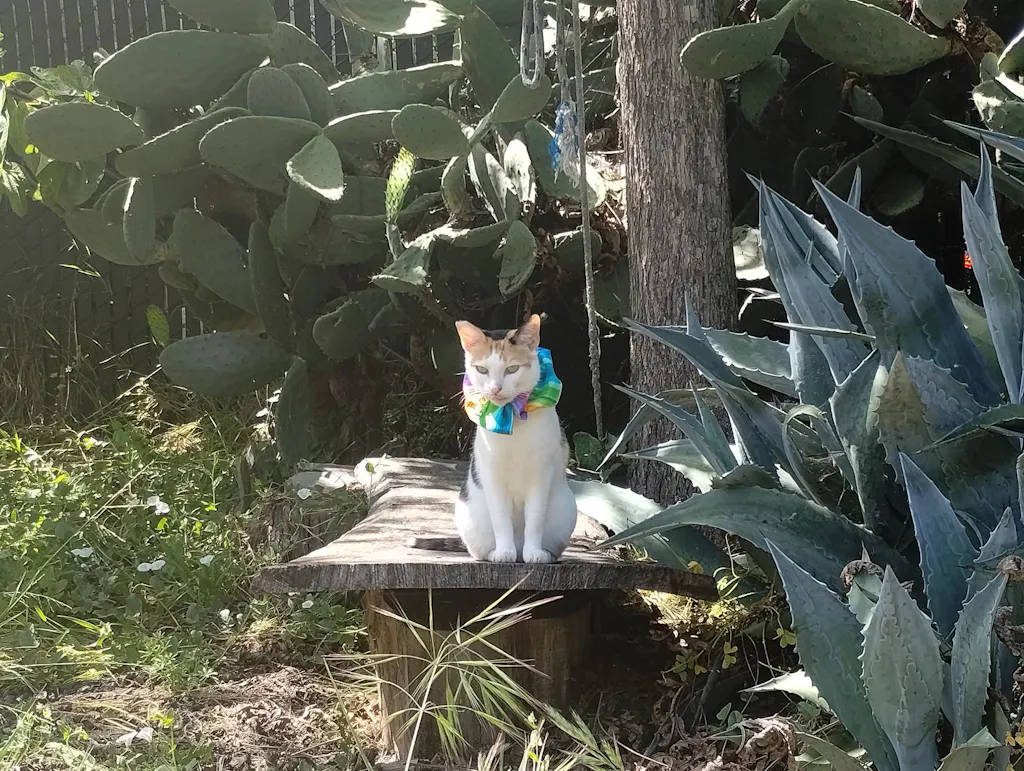
Our orange-and-white tabby Odi had been averaging two birds a week. Since we put the Rainbow Sally collar on him, he’s gotten not one single bird. It’s quite miraculous. I’ve got no idea why it works, but it does.
Cat Doesn't Mind It, Hopefully Saves Some Birds Lives.
Seems Good, My Cat Doesn't Seem To Mind It On At All And It Looks Good, Seems To Slow Her Down A Bit As Well. Have Yet To See If It Helps Save Any Birds From This Bird Murderer Cat Of Mine! Hopefully!
M
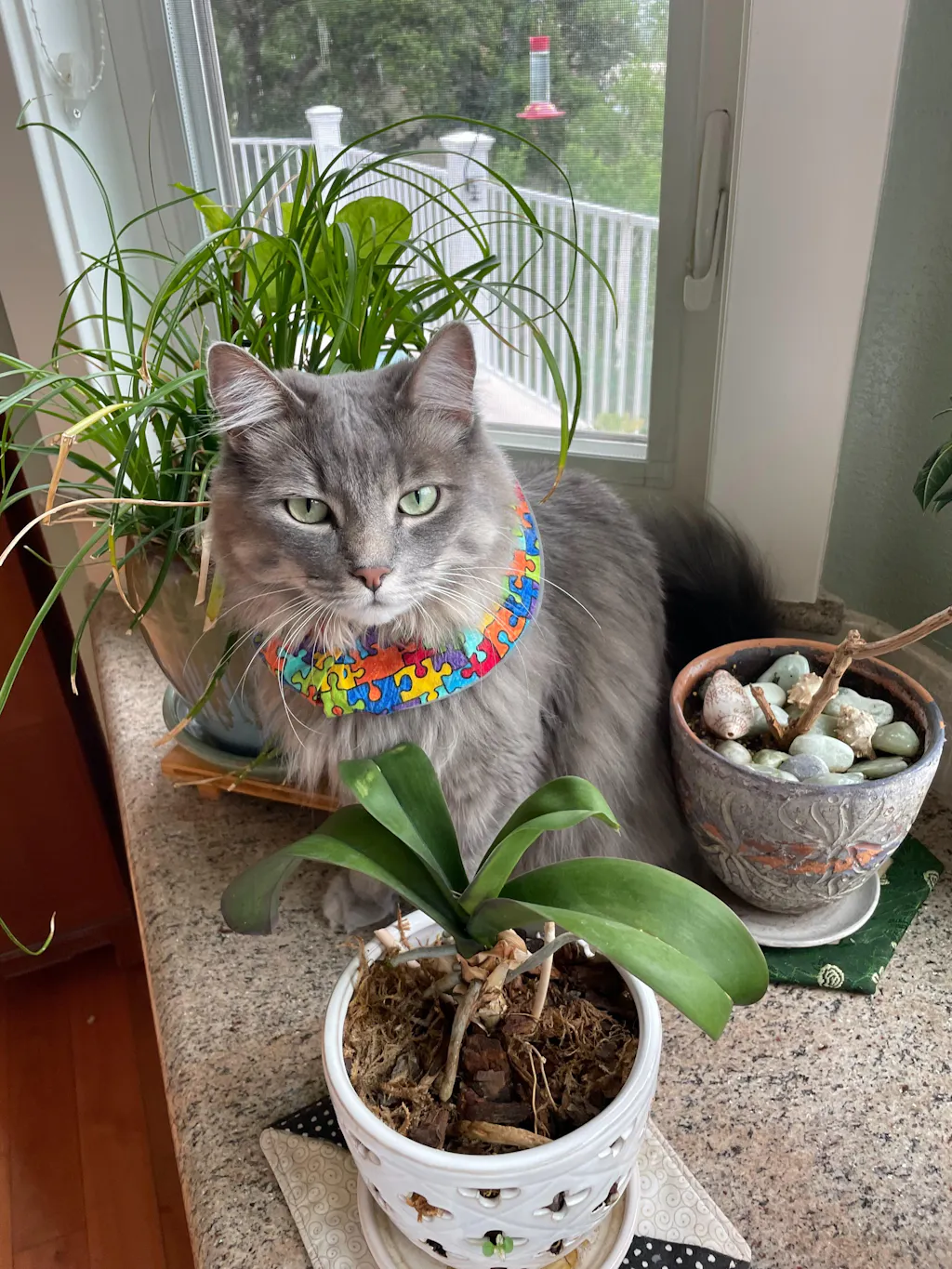
Rainbow Sally Birdsbesafe ® Collar Cover Martha L.
These work so well for my former stray family. They lose their minds if they don’t spend a little time outside, but I want to keep the local birds safe. Especially important in the spring breeding season! I have been using these for years and just restocked- love the new colors and designs!
I've got a female cat who is a formidable hunter. But she has not been able to kill a single bird since I bought the collar more than a year ago. She did loose one, which I guess is a good thing, since she may have gotten caught on something and was able to get away. She doesn't mind it at all, now that she is used to it. The first day I put the collar on her she kept running from one end of the house to the other, which was quite entertaining, but she didn't mind it at all fairly quickly. I do still limit the times she is outside like early morning and in the evenings when the birds are feeding. Thank you BirdsBSafe for coming up with such an awesome collar!