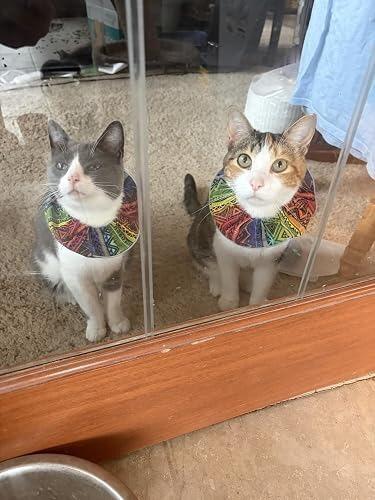
Waterproofing for Fabric: Keep Your Cat’s Birdsbesafe Collar Covers Dry in Rain and Winter

Rain, drizzle, snow, and damp weather don’t politely knock—they arrive loud, wet, and relentless. Puddles form, sidewalks stay soggy, and outdoor gear—including your cat’s Birdsbesafe Collar Cover—can take a beating.
The good news? You don’t have to remove your cat’s collar on rainy days or in cold months. With proper preparation and thoughtful waterproofing for fabric, you can keep the Birdsbesafe Collar Cover comfortable, functional, and effective year-round. Not stiff. Not smelly. Not ruined.
This isn’t about turning your cat’s collar into heavy rain gear or sealing it like a tent. It’s about improving water resistance while protecting breathability, color, and movement. When done right, the cover sheds moisture, dries faster, and lasts longer—even in rain, snow, and humid conditions.
Below, we’ll walk you through the key steps, materials, and safety tips covered in this guide.
- Birdsbesafe Collar Covers: Why They Still Matter in Winter
- Why Outdoor Enrichment Matters
- Pet-Safe Waterproofing for Fabric: Products and Techniques for Birdsbesafe Collar Covers
- Comfortable Cats, Safer Birds, All Year Long
Before we jump into sprays and techniques, let’s revisit why these collar covers matter year-round — and why winter use still makes total sense.
Birdsbesafe Collar Covers: Why They Still Matter in Winter
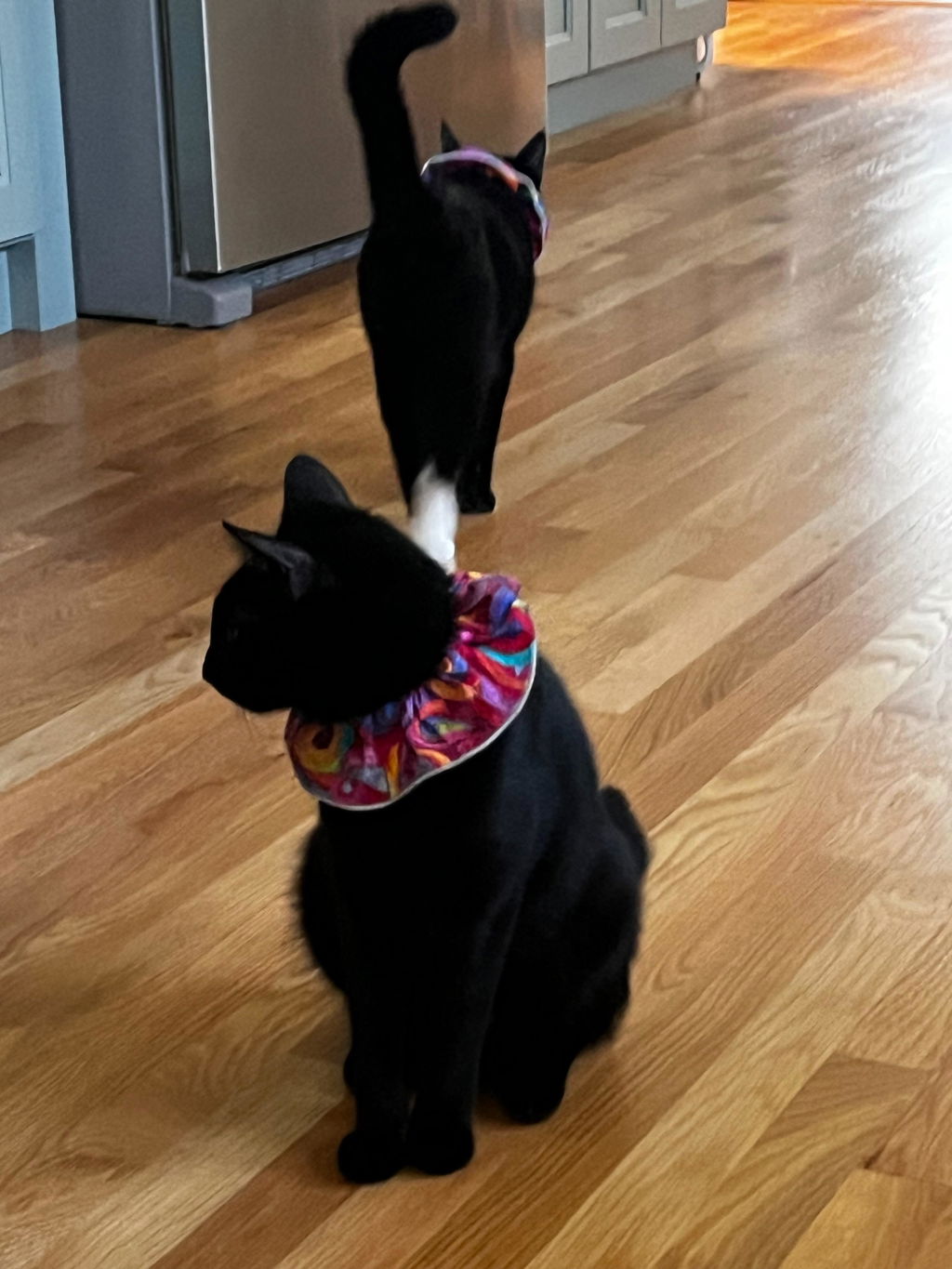
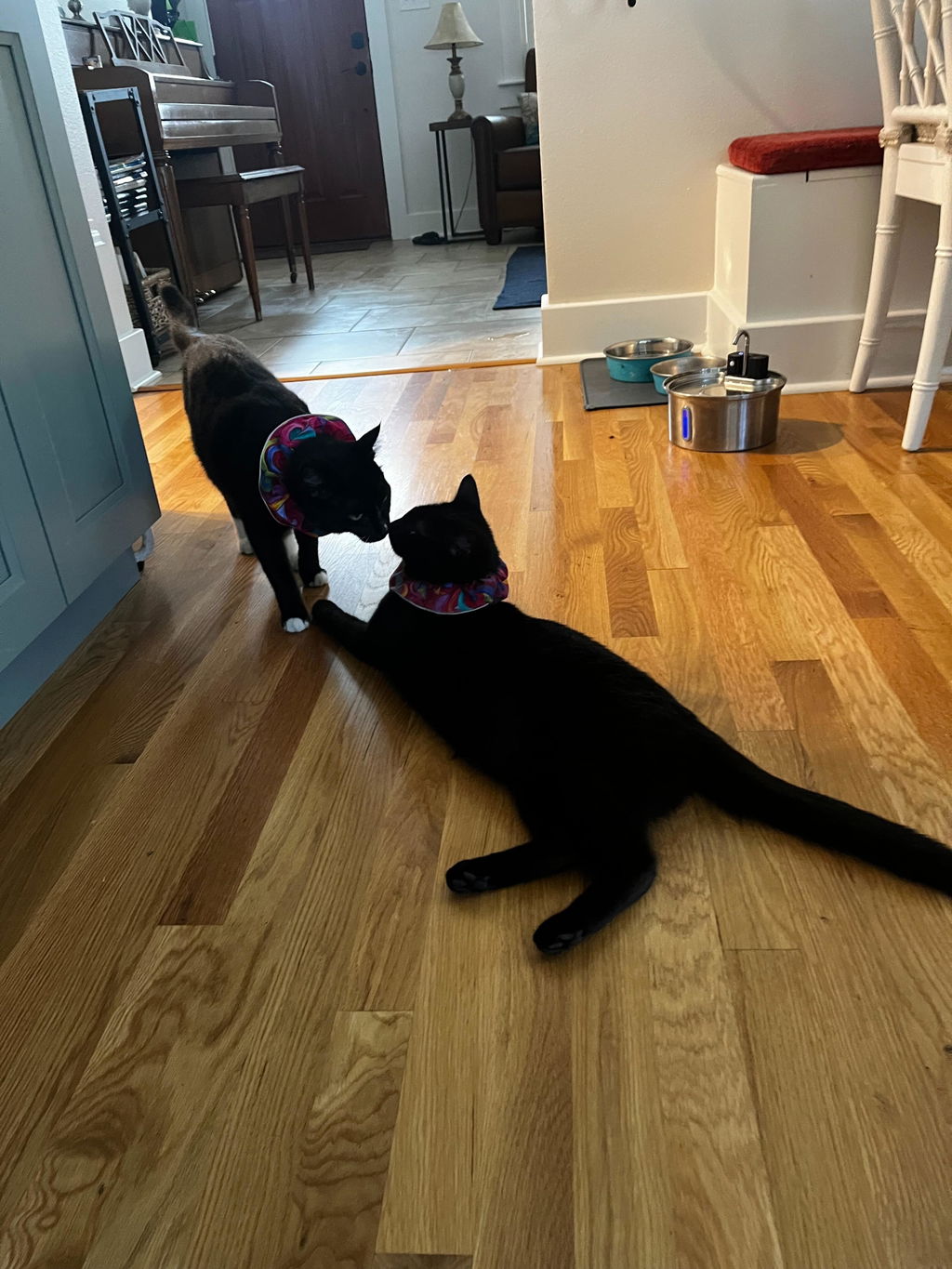
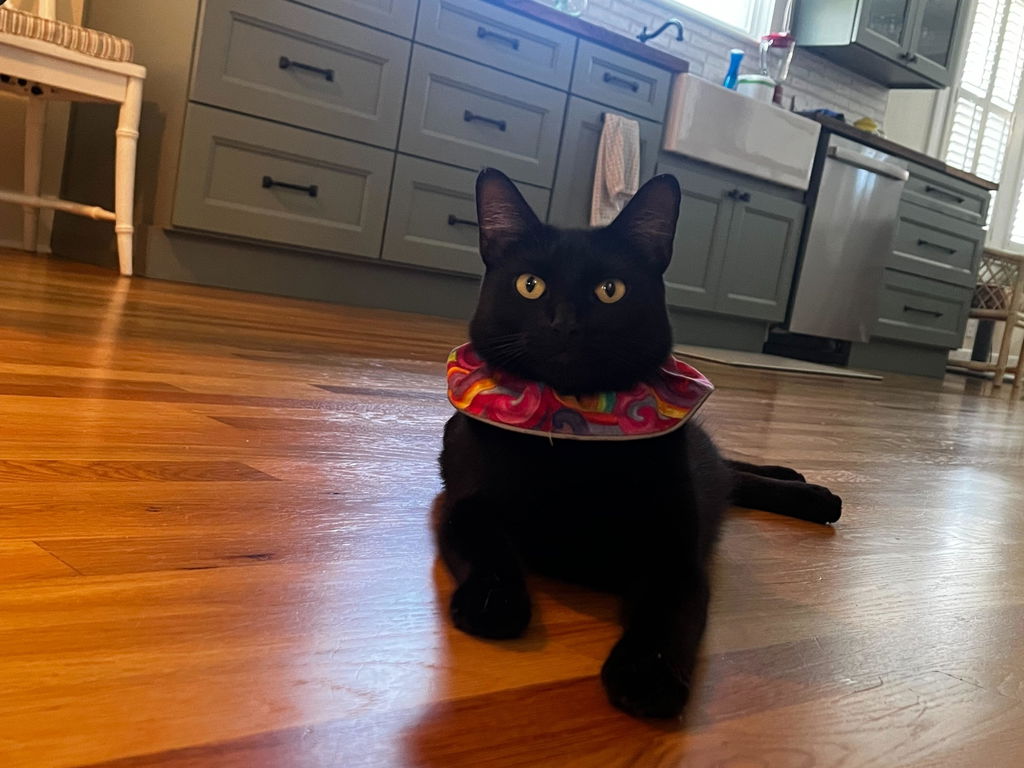
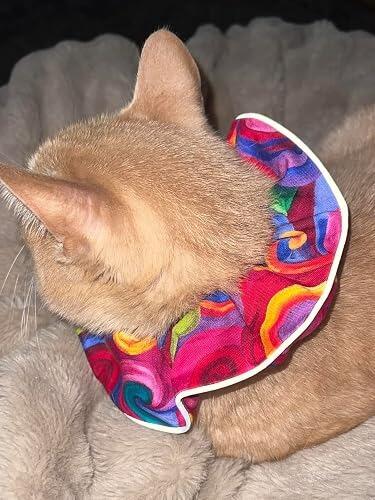
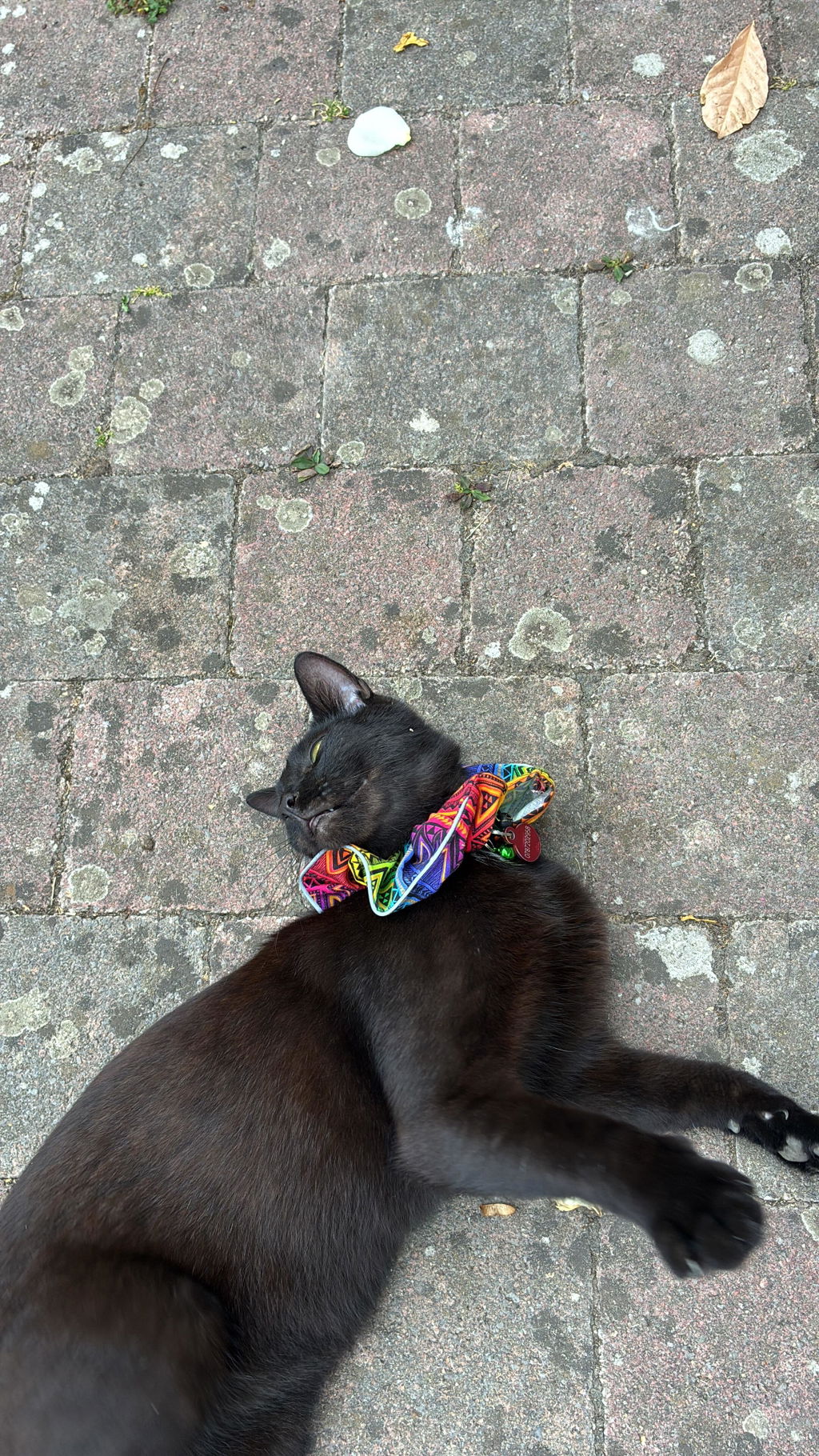
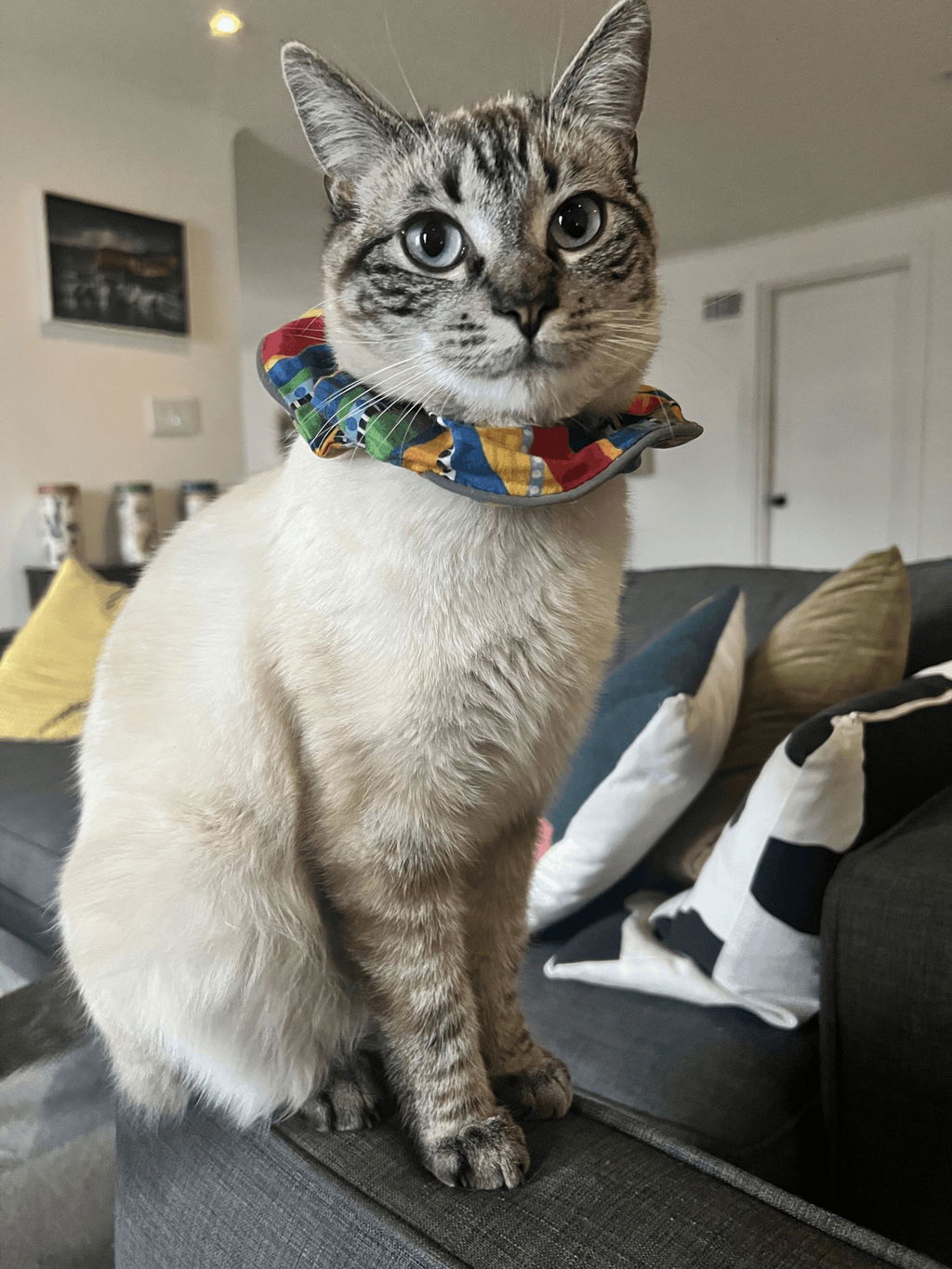
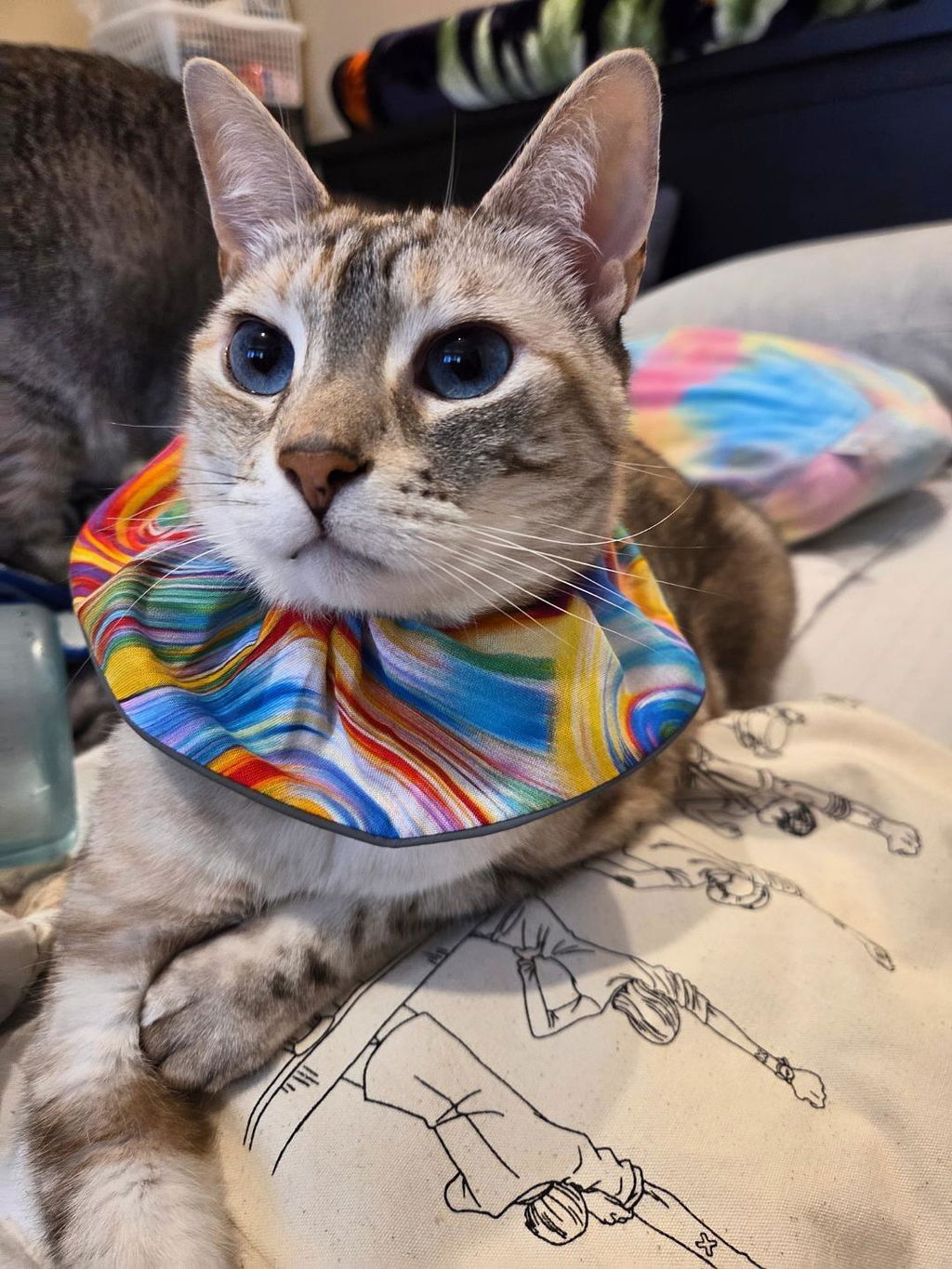
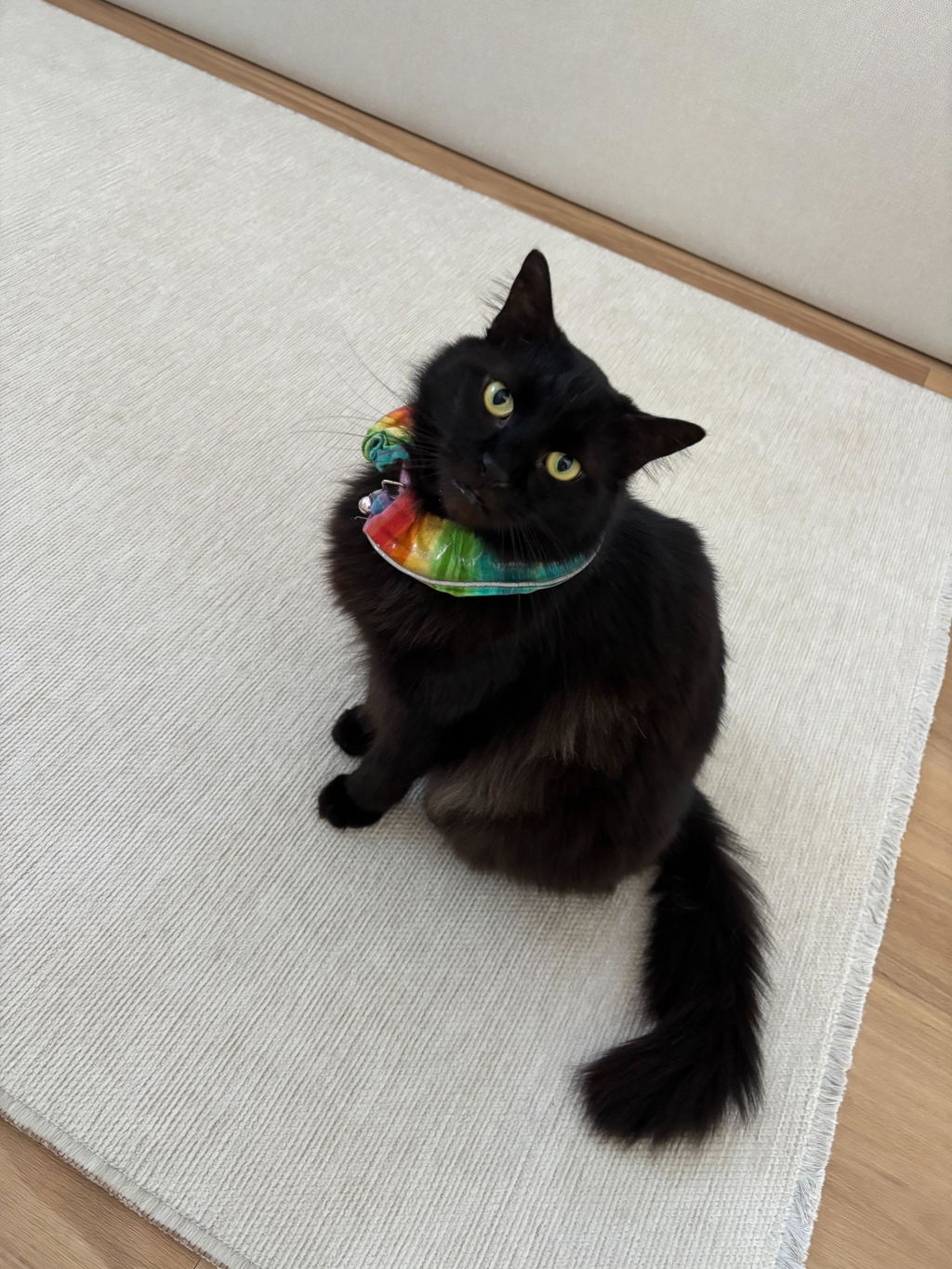
 A high-visibility Birdsbesafe collar cover breaks winter camouflage and gives birds a vital head start.
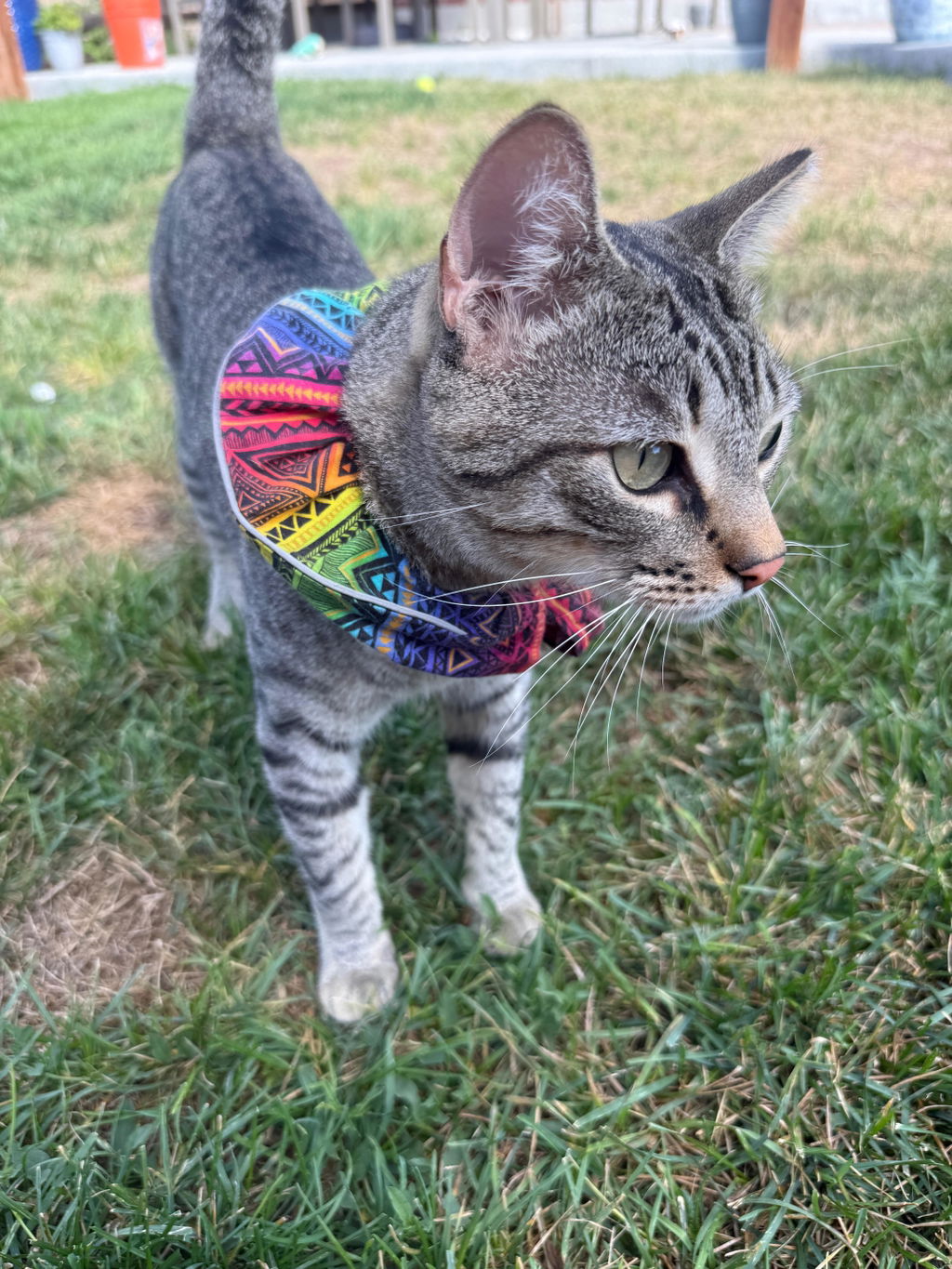
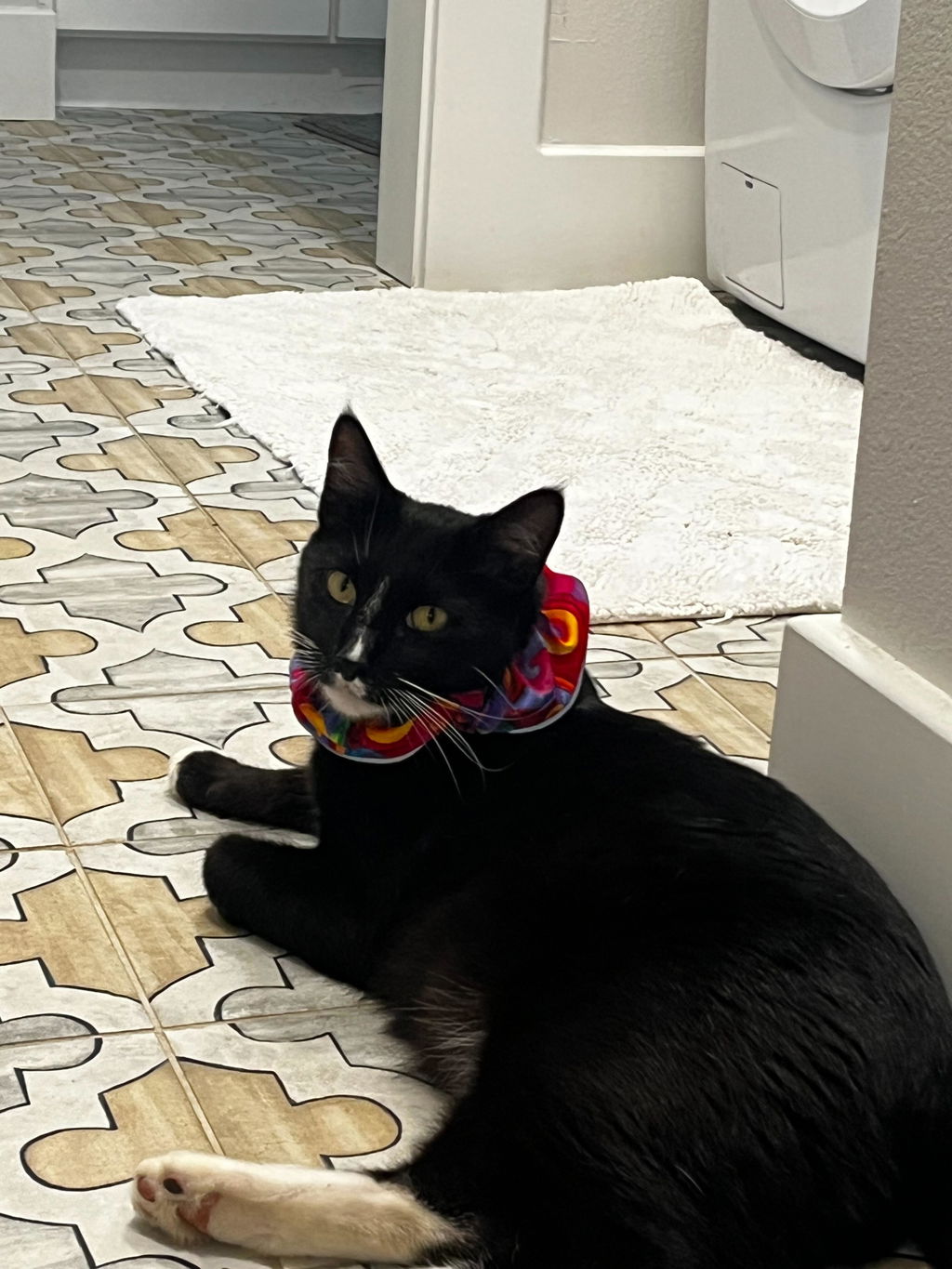
Birdsbesafe Collar Covers solve a specific problem with a simple idea: visibility saves lives. Bright, patterned fabric breaks a cat’s camouflage and gives birds a critical head start. This added contrast is especially important for light-colored and white cats, whose coats can blend easily into snowy, overcast, or low-contrast winter environments—making the bold colors even more effective.
Research backs this up:
-
Field studies show major reductions in bird kills
Peer-reviewed research (Journal of Zoology, Global Ecology and Conservation) found that cats wearing Birdsbesafe® collar covers killed significantly fewer birds, with reductions ranging from about 78% to dramatic seasonal drops in spring.
-
Effectiveness holds across environments
A U.S. Geological Survey review of multiple trials reported cats brought home around 2.7 times fewer birds when wearing Birdsbesafe covers.
-
Comfort drives consistent use
Lightweight, breathable fabric increases long-term tolerance compared to bells or restrictive deterrents.
Winter doesn’t change the science—it changes the conditions. Rainy seasons, snow, and constant moisture wear untreated fabric faster, leading to odor buildup, staining, and slower drying times.
Waterproofing protects the fabric without interfering with the cover’s operation, making both winter and extended rainy-season use practical rather than frustrating.
That practicality matters because colder months and prolonged rain also affect a cat’s daily enrichment, which brings us to the next section.
Why Outdoor Enrichment Matters
 Even in winter, outdoor exploration keeps a cat’s mind engaged, body active, and instincts satisfied.
Photo by Zoran Milosavljevic on Pexels
Outdoor enrichment plays a fundamental role in a cat’s overall well-being. When winter or the rainy season arrives, that enrichment often shrinks—not because cats stop wanting stimulation, but because access becomes more complicated to manage.
Enrichment isn’t optional or seasonal. It supports mental health, emotional balance, and physical well-being year-round. Cats thrive on novelty, choice, and movement. Cold weather, frequent rain, and shorter days limit all three, which can quietly lead to stress or behavior changes.
To understand why year-round enrichment matters so much, it helps to look at what it gives cats:
-
Keeps the mind engaged
New scents, subtle sounds, shifting light, and outdoor movement stimulate a cat’s brain in ways indoor spaces can’t fully replace.
-
Supports natural instincts
Observing birds, tracking motion, and exploring territory satisfy instinctive behaviors without requiring active hunting.
-
Reduces boredom-driven behaviors
Without stimulation, cats often vocalize excessively, scratch furniture, or act out. Enrichment gives that energy direction.
-
Stabilizes mood and stress levels
Predictable access to enriching experiences helps cats regulate emotions and stay calmer overall.
-
Encourages healthy movement
Walking, climbing, and navigating uneven surfaces support muscle tone, coordination, and joint health during colder months.
-
Strengthens the cat–owner bond
Shared routines, supervised outdoor time, and enrichment activities build trust and deepen connection, especially during winter when interaction is more important.
-
Preserves confidence and routine
Maintaining familiar activities helps cats stay secure when seasonal changes disrupt their environment.
When enrichment continues, whatever the season, cats stay mentally sharp, emotionally balanced, and physically active. That consistency supports healthier behavior and a stronger relationship with their humans.
With the benefits of enrichment clear, the next step is to ensure seasonal conditions don’t interfere, which is where smart waterproofing choices come in.
Pet-Safe Waterproofing for Fabric: Products and Techniques for Birdsbesafe Collar Covers
Before choosing a product, it’s important to understand what waterproofing actually does. Waterproofing treatments enhance water resistance, allowing the fabric to shed moisture and dry faster. They do not make fabric completely waterproof—and that’s exactly what Birdsbesafe Collar Covers need.
Breathable fabric matters for comfort, odor control, and wearability. That’s why pet-safe application and full drying matter just as much as the product itself.
When selecting sprays, look for options that are safe for use around pets once fully dry, and always apply treatments outdoors or in a well-ventilated area. Keep pets away until the fabric is completely dry and odorless.
Recommended Pet-Safe Waterproofing Sprays
These environmentally-friendly products are widely used on outdoor gear and are considered safe for pets after complete curing:
1. Pedag PFAS-Free Waterproofer
$11.11
A PFAS-free and PFOA-free waterproofing spray made in Germany, designed for shoes, fabric, outdoor cushions, and outdoor gear. It repels water and stains without relying on fluorochemicals, making it a more environmentally responsible option. Once fully dry, treated items are suitable for pet gear and shared spaces.
2. Jason Markk Stain & Water Repellent
$17.97
This water-based, fluorine-free waterproofing spray is designed to protect outdoor fabrics without harsh solvents or propellants. It maintains breathability while adding water resistance, making it a popular choice for everyday gear. Its gentler formulation makes it a better option for pet-friendly homes when fully cured.
3. Nikwax TX.Direct Spray-On Waterproofer
Starts at $16.75
A PFAS-free, PFC-free, and water-based treatment widely used on outdoor apparel. Nikwax products are known for their low environmental impact and do not use aerosol propellants. It comes in a spray bottle and is safe for use around pets once dry. It's often recommended for households concerned about air quality and wildlife.
4. Renapur Protector Spray
Starts at $14.99
A fluorocarbon-free fabric and water repellent designed to repel water and stains while remaining breathable. Often used on outdoor and pet gear, it avoids harsh chemicals and is considered a more planet-friendly alternative when applied lightly and allowed to cure fully.
5. SoftClad Extra Strength Fabric Protector
Starts at $25.89
A PFAS-free and PFOA-free fabric protector formulated without fluorochemicals. It provides durable water and stain resistance while remaining suitable for indoor use. Once completely dry, it can be used on pet bedding, carriers, and outdoor accessories, reducing environmental impact.
How These Sprays Work
These treatments form a thin, protective layer around fabric fibers. Water beads up and rolls off instead of soaking in, which improves comfort and durability in wet conditions.
They work best on:
- Cotton and cotton blends
- Polyester and nylon
- Lightweight canvas and outdoor textiles
They enhance water resistance—not full waterproofing—which makes them ideal for winter moisture and rain exposure rather than heavy soaking.
Once products are selected, the application becomes the most important factor.
Step-by-Step: How to Waterproof Your Pet’s Fabric Gear at Home
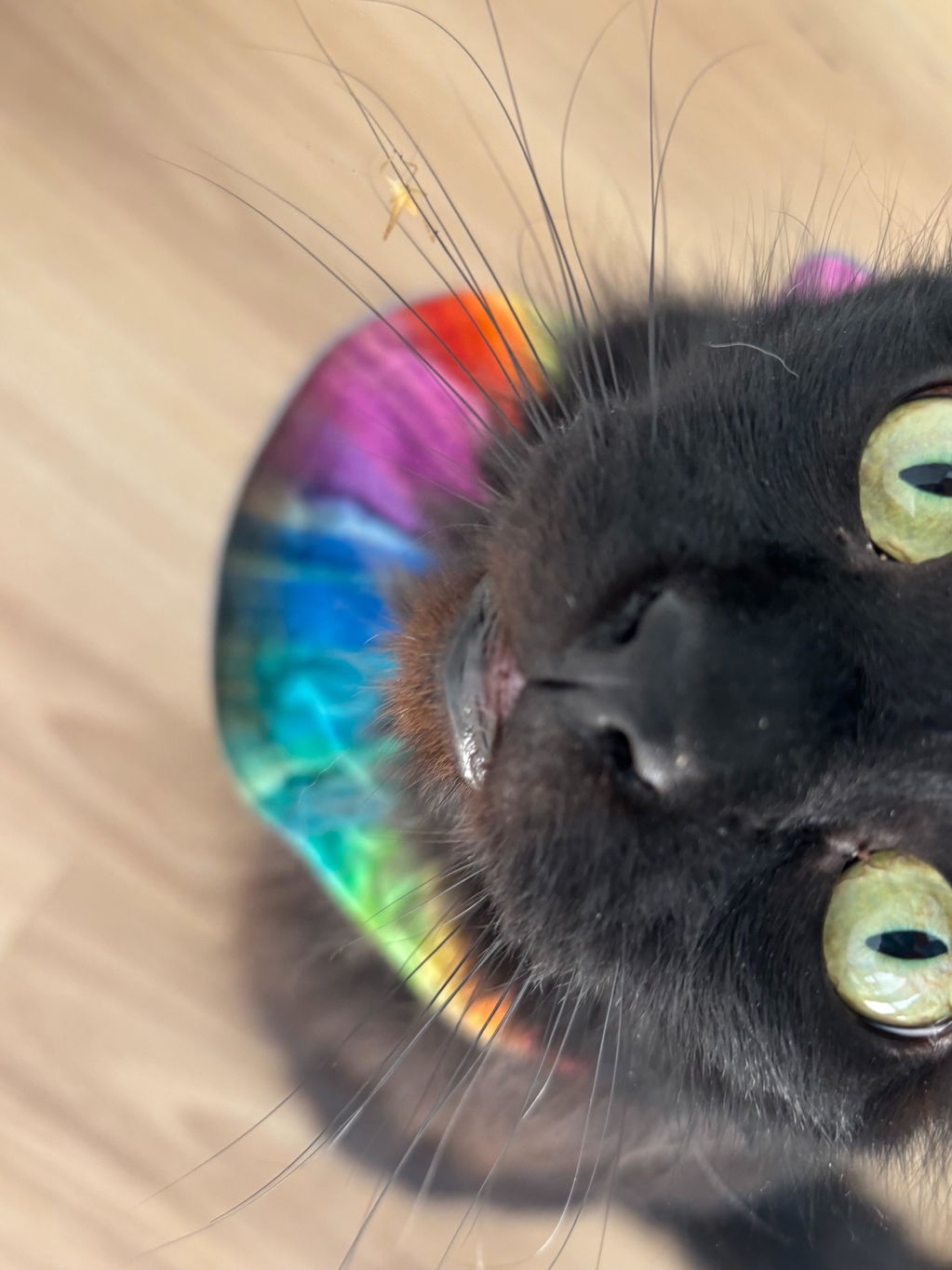
 Proper waterproofing helps Birdsbesafe collar covers shed water while staying lightweight and breathable.
Waterproofing doesn’t need to be complicated. A little prep and a few careful steps help Birdsbesafe Collar Covers stay lighter, drier, and more comfortable through the damp months. Taking your time here makes a noticeable difference.
-
Clean the fabric first.
Wash the collar cover in warm water using mild detergent. Skip fabric softener. Rinse thoroughly and let it air dry until clean and slightly damp.
-
Test before committing.
Apply a small amount of spray to an inconspicuous area. Allow it to dry completely, then check for discoloration or stiffness.
-
Choose the right space.
Apply outdoors or in a well-ventilated area. Wear gloves. Keep pets away during application and curing.
-
Apply light, even coats.
Hold the spray 6–8 inches from the surface. Coat one side, then the other. Use multiple light coats instead of soaking the fabric.
-
Allow proper curing.
Allow the treatment to dry for 6 to 8 hours. Sun and mild heat help with curing. Follow bottle instructions if low-heat tumble drying is recommended.
-
Test water resistance.
Pour a small amount of water onto the surface. If it beads and rolls off, you’re done. If not, apply another light coat.
Applying multiple thin layers improves durability and keeps the fabric breathable. Once the basics are complete, a few additional adjustments can improve the waterproofing's performance in actual winter or wet conditions—precisely what the next section covers.
Extra Waterproofing Tips to Improve Performance
Once the collar cover has completed the basic waterproofing steps, a few additional refinements can improve its performance in winter or rainy conditions. These aren’t required steps, but they can make a noticeable difference when rain, snow, and damp weather become routine.
Think of this stage as optimization—not starting over.
Here are a few innovative ways to fine-tune your results:
-
Build protection gradually with multiple coats
Applying multiple coats creates a more even, durable barrier than trying to achieve coverage in one pass. Each light layer bonds better to the fabric, helping it behave more like a waterproof fabric without sacrificing flexibility.
-
Use a sprayer for better control
A handheld sprayer makes it easier to apply light, consistent coverage, especially around edges and folds. Better control means you use less product overall and avoid oversaturating the fabric.
-
Resist the urge to use more spray than needed
Using more spray doesn’t improve results. In fact, light passes are more effective and far more cost-effective than heavy applications, which can clog fibers and reduce breathability.
-
Focus touch-ups where wear shows first
Water resistance often fades at creases and high-movement areas before the rest of the fabric. Spot-applying a light coat in those areas extends performance without treating the entire cover again.
-
Watch how the fabric reacts to water over time
If water starts to spread instead of beading, that’s a signal to refresh. Catching it early prevents moisture from soaking in and keeps the fabric performing consistently.
These minor adjustments help the waterproofing work with the fabric rather than overwhelm it, improving comfort and durability throughout the wet season. They also reduce soggy collars during heavy rain, prevent damp odors after walks in puddles or slush, and keep collars bright and visible even in stormy weather.
With those extra steps in place, it’s just as important to understand where things can go wrong, which brings us to what not to do when waterproofing Birdsbesafe Collar Covers.
What Not to Do When Waterproofing Birdsbesafe Collar Covers
Doing things right matters, but avoiding the wrong moves matters as much. Birdsbesafe Collar Covers are made from lightweight, breathable cotton fabric, and certain products or habits can undo all the careful work you put into waterproofing. Knowing what not to do helps protect comfort, performance, and the cover's life throughout the year.
Keep these common mistakes off your winter-proofing list:
-
Don’t use heavy-duty coatings meant for other gear
Skip epoxy, PVC, or thick polyurethane coatings designed for tarps, tents, marine covers, or outdoor upholstery. These create a rigid, impermeable layer that blocks airflow and makes the collar uncomfortable to wear.
-
Don’t oversaturate the fabric
Drenching the cover with waterproofing spray doesn’t improve protection. Too much product clogs fibers, reduces breathability, and can trap moisture rather than repel it.
-
Don’t skip the test spot
Some treatments can cause discoloration or subtle texture changes, especially on cotton or mixed fabrics. Always test a small, hidden area before spraying the entire cover.
-
Don’t spray in closed or poorly ventilated spaces
Many waterproofing treatments contain silicone or synthetic compounds that release fumes during application. Always work outdoors or in a well-ventilated area, and keep pets away until the fabric is fully dry and odor-free.
-
Don’t put the cover back on while it’s damp
Even water-resistant fabric needs time to cure. Putting a damp cover back on your cat traps moisture against the skin and encourages odor buildup.
-
Don’t use products made for the wrong materials
Avoid sprays explicitly designed for leather, suede, fleece, or rigid materials. Those formulas are not suitable for lightweight fabric gear and can damage the cover's structure.
-
Don’t assume waterproofing lasts forever
Rain, friction, washing, and sun exposure slowly break down treatments. If water stops beading on the surface, it’s time to reapply—not push the fabric beyond its limits.
Waterproofing is most effective when it complements the collar cover's design rather than fighting it. Light application, proper drying, and the right products keep Birdsbesafe Collar Covers comfortable, breathable, and practical through winter.
With the do’s and don’ts covered, all that’s left is pulling everything together.
Comfortable Cats, Safer Birds, All Year Long
Waterproofing a Birdsbesafe Collar Cover isn’t about perfection or overthinking the process. It’s about making small choices that protect comfort, routine, and the gear's life during the colder months.
A little extra care helps keep the fabric from staying wet, dries faster after rain, and makes the cover easier for your cat to wear day after day. That consistency supports enrichment, preserves the cat–owner bond, and keeps an important wildlife-friendly tool in use when it matters.
Good winter or rain care doesn’t need to be complicated. Clean when needed. Reapply when water stops beading. Let things dry thoroughly. Those simple habits protect the materials and the purpose behind them.
That balance is what carries you through the damp months—comfortably, responsibly, and with intention.
Affiliate Disclosure: This article contains affiliate links, meaning we may earn a small commission if you purchase through our links at no extra cost to you. We only recommend products we genuinely believe in and think you’ll love.