Autumn Bird Migration Tips: How to Protect Birds From Cats

Photo by Hussein El Ali on Pexels
Every fall, one of nature’s greatest sagas quietly unfolds above our heads—billions of birds take to the sky and set off on an epic journey across continents, crossing thousands of miles of oceans, dense forests, and noisy cities. They push their tiny bodies to the absolute limit to reach their winter homes. But when these exhausted travelers land in our gardens to rest and refuel, they run straight into a silent, domestic threat: free-roaming pet cats.
If you love watching backyard songbirds, care about wildlife, or share your home with a pet cat, this guide is for you. Below, we'll dive straight into practical, compassionate ways to protect passing migrants from domestic pets, while exploring just enough of the mechanics behind autumn bird migration to see why these weary travelers need our help so urgently.
- What is Autumn Bird Migration?
- The Danger Zone: Why Migrants are So Vulnerable to Cats
- 5 Essential Tips to Protect Migrating Birds From Cats
- Birdsbesafe: Science-Backed Protection for Songbirds
- Final Thoughts: Transforming Your Yard Into a Safe Haven
What is Autumn Bird Migration?
 Decreasing daylight and cooler temperatures prompt millions of songbirds to begin their long autumn migration journey south each fall.
Photo by Efrem Efre on Pexels
To put your protection efforts into perspective, it helps to understand why and how birds migrate in such large numbers across the sky each fall. As the beginning of autumn brings cooler weather, photoperiodism—a biological response to decreasing daylight—triggers hormonal shifts that prompt billions of songbirds to leave their summer breeding grounds in northern latitudes and head south for survival.
This journey isn't just a brief autumn trip; fall migration lasts almost half the year:
- Late Summer (Late June to August): Shorebirds, hummingbirds, and swifts depart early. Common Swifts leave for Africa by late July or early August.
- September: Warblers move en masse, peaking during the first three weeks of the month. Accipiters like Sharp-shinned Hawks also begin their peak migration along coastal and mountain ridges.
- October: Sparrow migration peaks alongside thrushes, Yellow-rumped Warblers, and soaring raptors like Red-tailed Hawks moving across a broad front in mid-fall.
- Late Fall (November to December): Waterfowl migration peaks, bringing massive flocks of ducks, geese, and swans.
To survive these long distances, birds build up fat reserves through hyperphagia and rely heavily on critical stopover habitats to rest. Swainson's Thrushes, for example, spend about 6 days resting at stopovers like Nashville, Tennessee.
Millions more converge at major stops in the US like Cape May, New Jersey, Hawk Ridge, Minnesota (averaging over 94,000 migrating raptors annually), Great Salt Lake, and Bill Baggs Cape Florida State Park.
The Danger Zone: Why Migrants are So Vulnerable to Cats
 Exhausted birds foraging on the ground post-flight are particularly vulnerable to outdoor cats stalking through fall leaf litter.
Photo by Andrei Pogrebnyak on Unsplash
To protect autumn travelers, we first need to understand what they experience before landing at a stopover site. Imagine running a full marathon with zero sleep, food, or water. You reach the finish line completely drained. Your muscles ache, your energy is gone, and your reaction time is short.
That is precisely how a migrating bird feels. Several key biological and behavioral factors combine to turn suburban backyards into high-risk areas for passing travelers:
- Nocturnal Exhaustion: Over 80% of North American bird species fly by night, navigating by the stars, Earth's magnetic field, and landmarks. After flying through dark skies for hours against tough headwinds, warblers, thrushes, and other migrants drop into residential yards at dawn, desperate to refuel.
- Ground-Level Foraging: Exhausted birds must land and immediately search for food, hopping through lawn grass or low bushes. This puts them directly at eye level with domestic predators.
- Stealth vs. Slow Reactions: Pets such as cats are natural, stealthy ambush predators. Even well-fed house cats retain a fierce, instinctual drive to hunt prey. For a weary migrant running on empty, a surprise attack ends a multi-thousand-mile journey in seconds.
Cats as a Non-Native Threat to Migratory Songbirds
Beyond their natural hunting instincts, free-roaming domestic cats represent an ecological challenge that migratory species simply aren't equipped to handle:
- Ecosystem Imbalance: Domestic cats are a non-native predator in North America. Unlike native predators, humans artificially sustain their populations, so their density in suburban areas is far higher than that of any wild predator.
- Hunting Without Hunger: Well-fed pet cats don't hunt for survival. They stalk and attack out of play and instinct, meaning an abundance of cat food does not protect backyard birds.
- Additive Mortality: Migrating birds already face window collisions, habitat loss, and severe weather. Feline predation adds a massive, avoidable layer of mortality when these species are most vulnerable.
As Dr. Peter Marra, former head of the Smithsonian Migratory Bird Center, points out:
"Cats are a non-native species, and their impact on wildlife—especially migratory songbirds already stressed by habitat loss—is immense. Protecting these birds as they pass through our yards is one of the most direct conservation actions an individual can take."
— Dr. Peter Marra, Co-author of "Cat Wars: The Devastating Consequences of a Cuddly Killer" (Smithsonian’s National Zoo and Conservation Biology Institute)
While these threats are significant, transforming your yard into a safe haven doesn't require drastic measures—just a few targeted adjustments to protect these weary travelers as they rest.
5 Essential Tips to Protect Migrating Birds From Cats
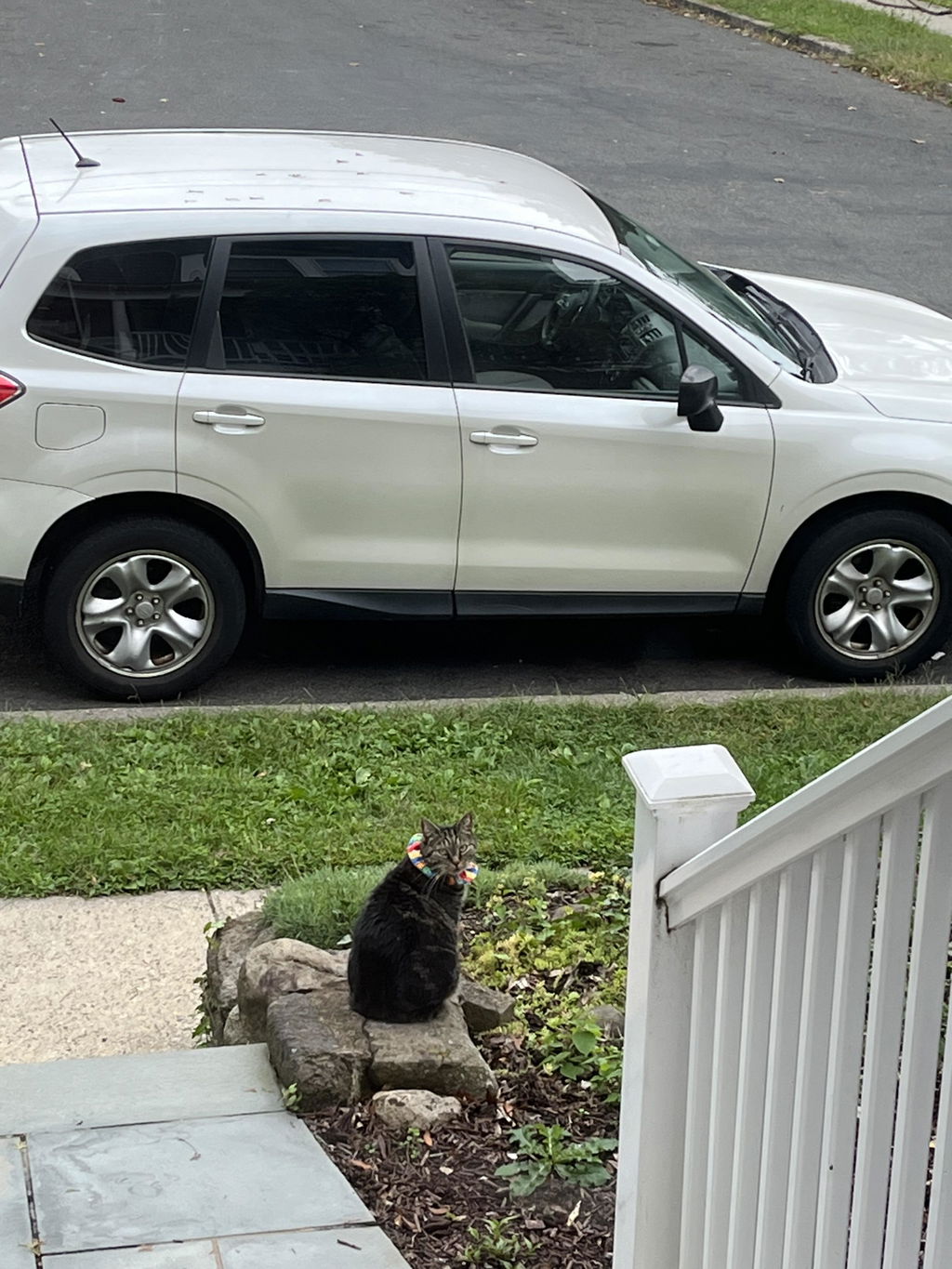
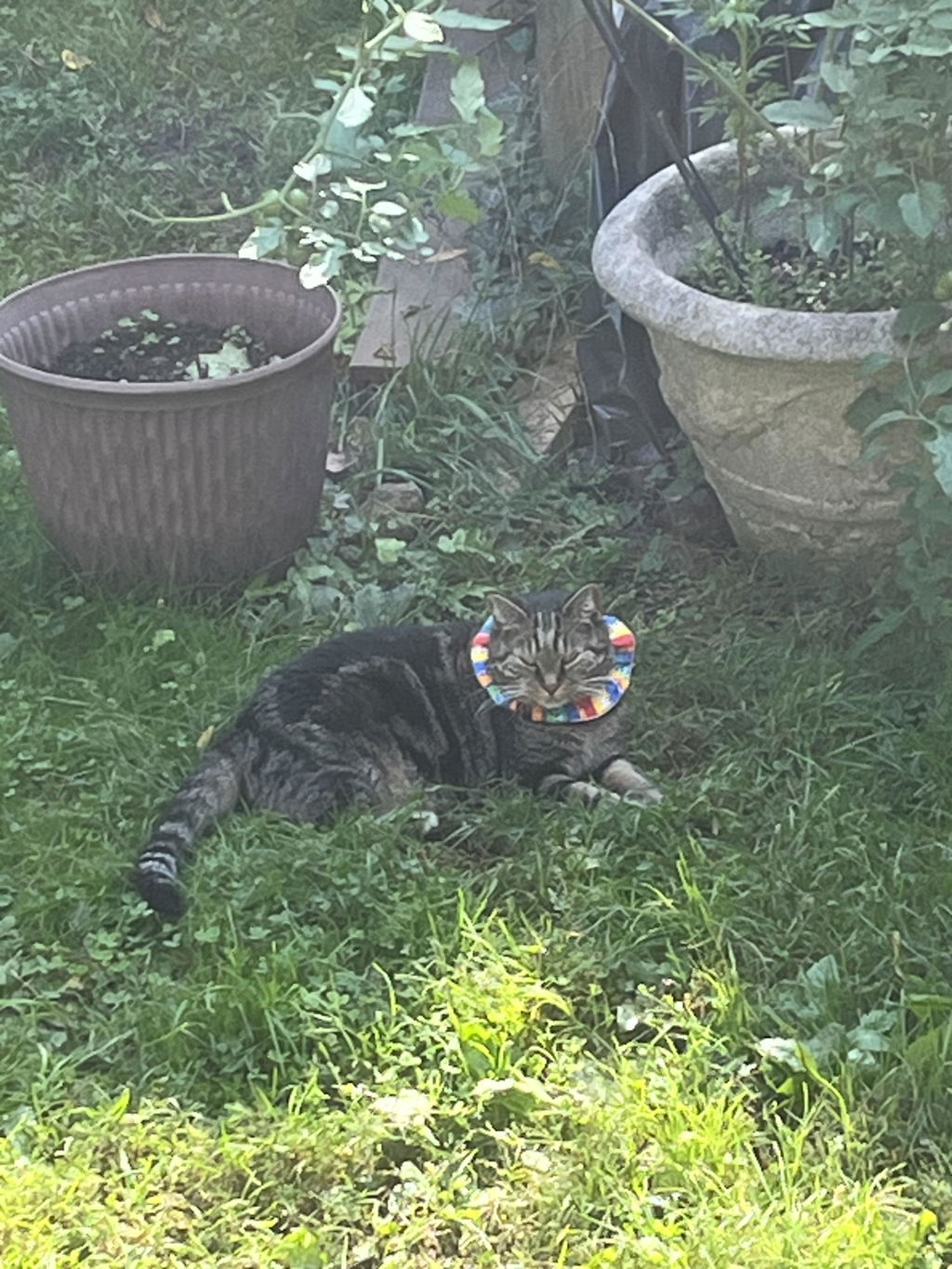
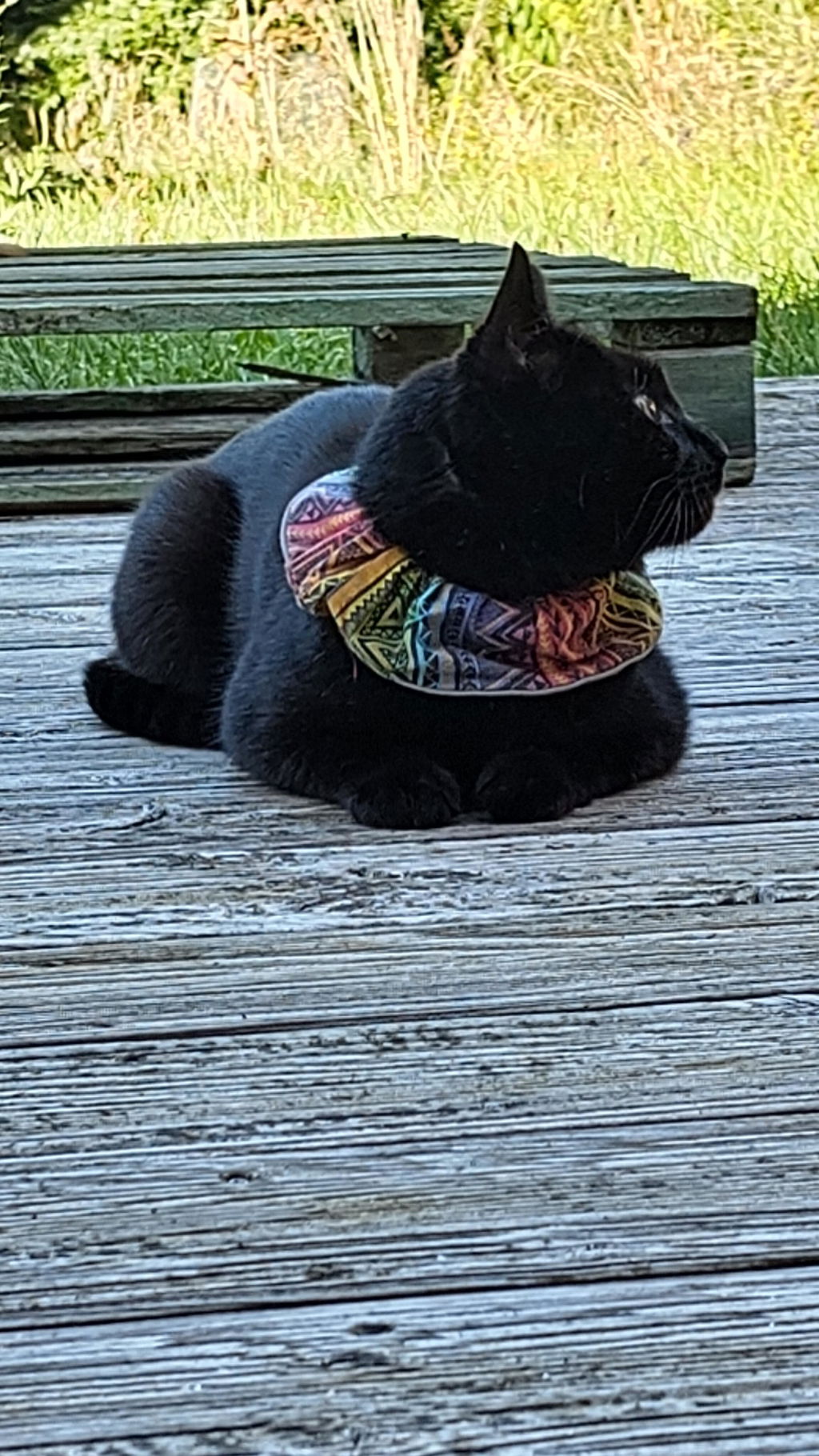
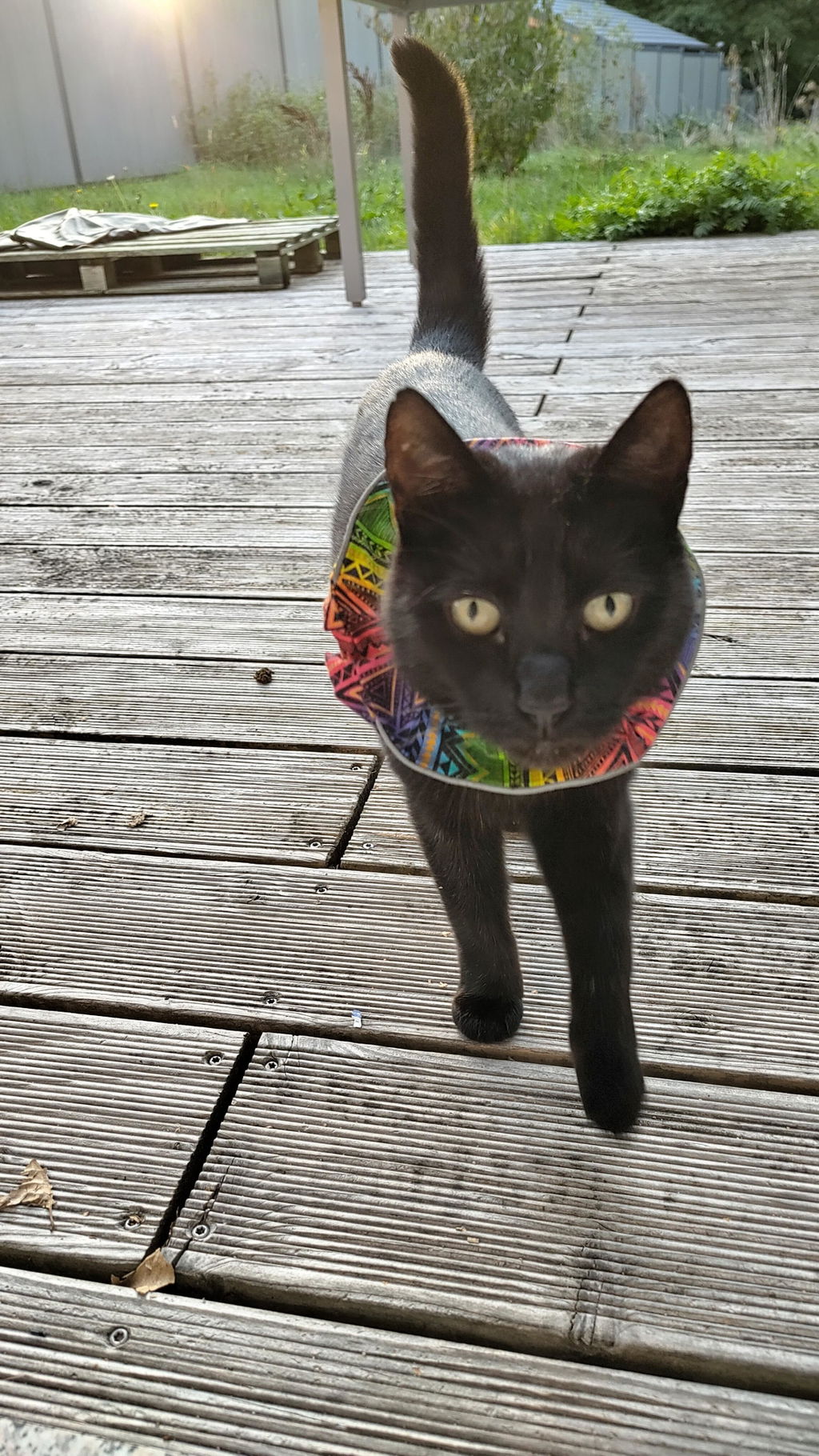
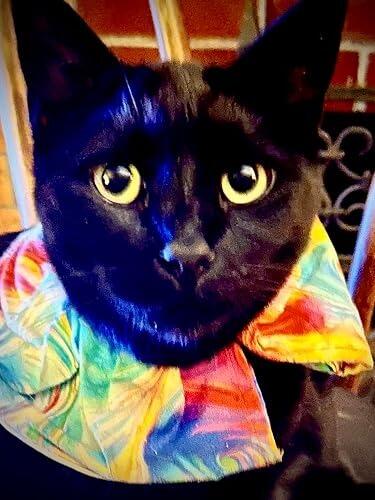
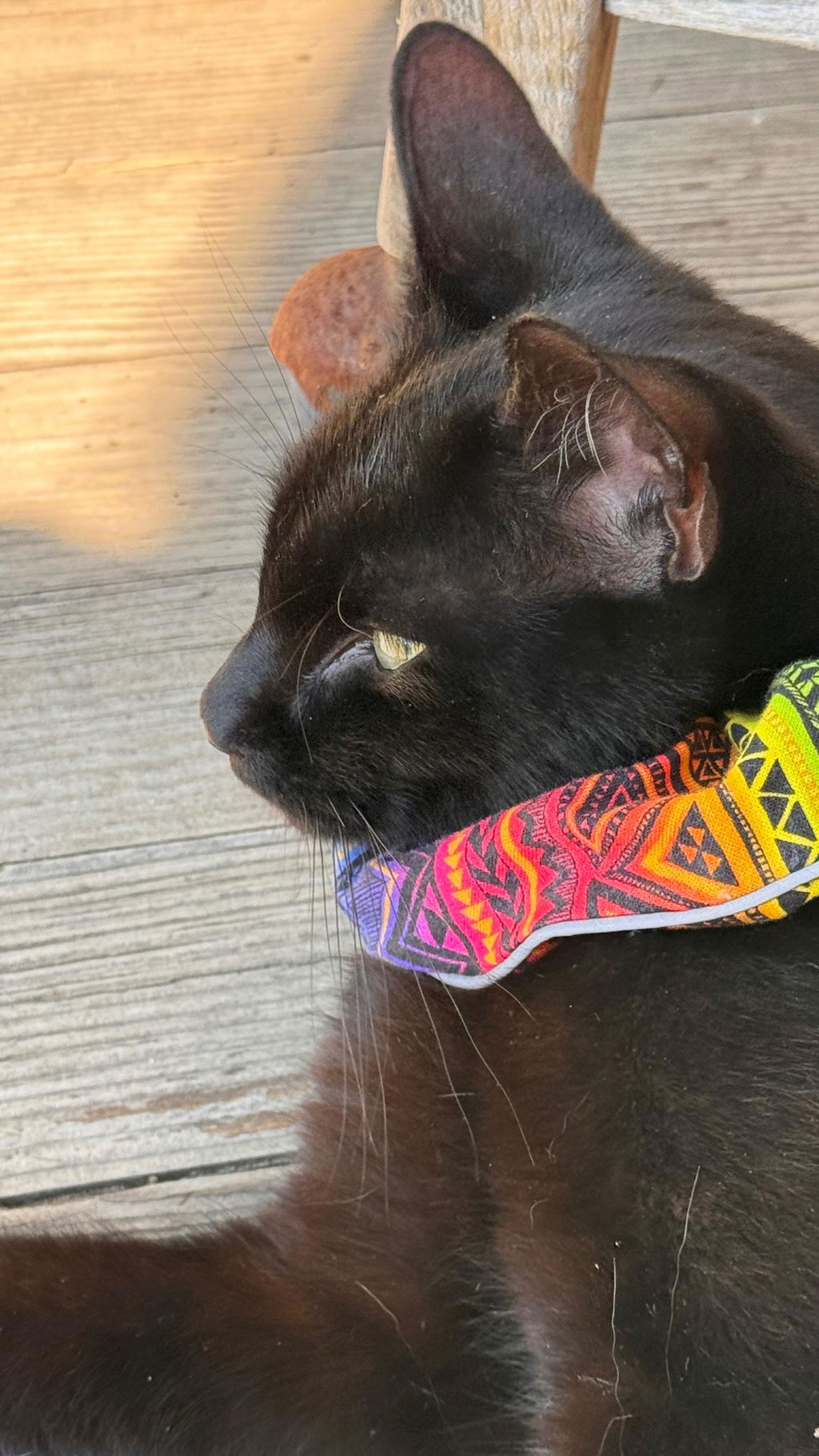
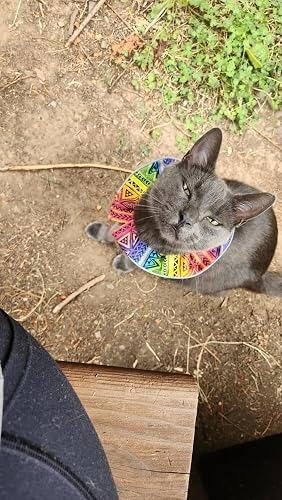
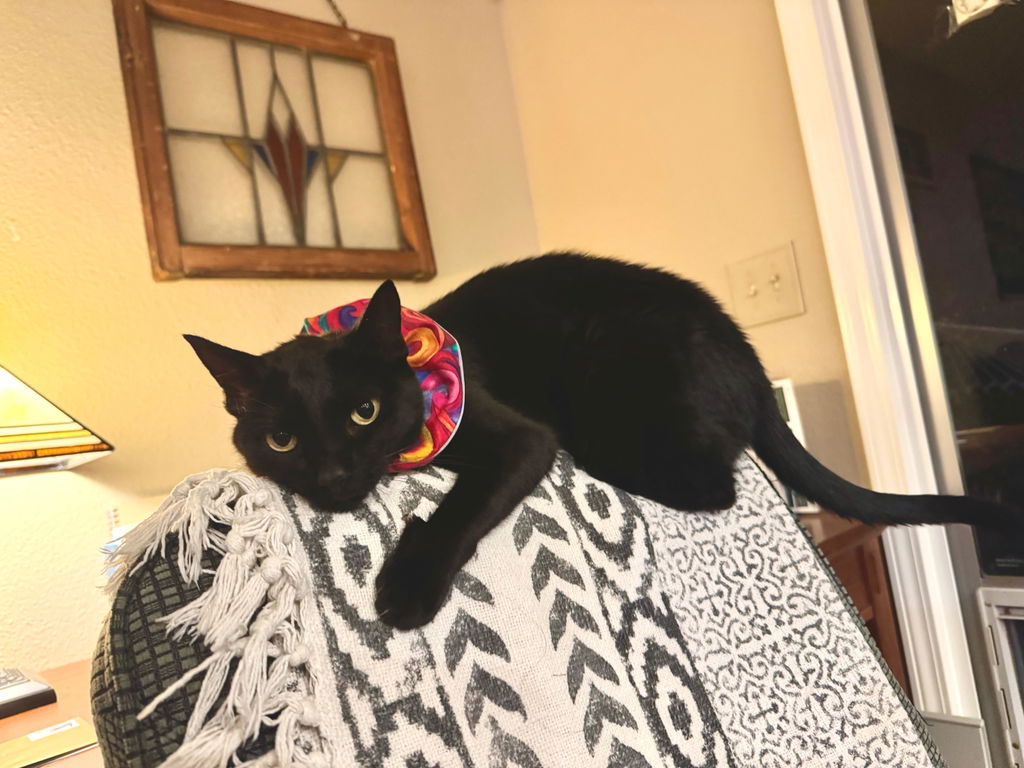
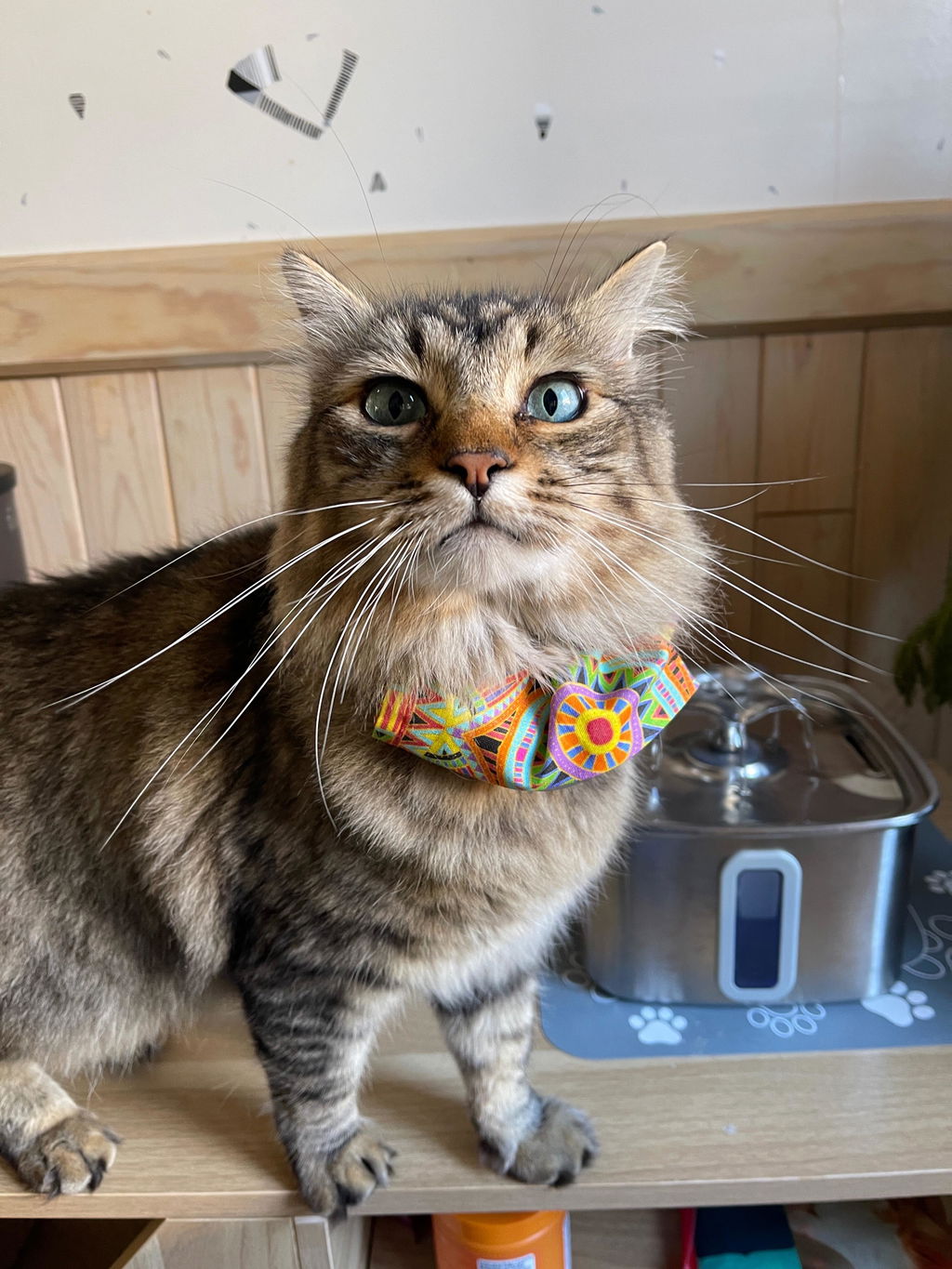
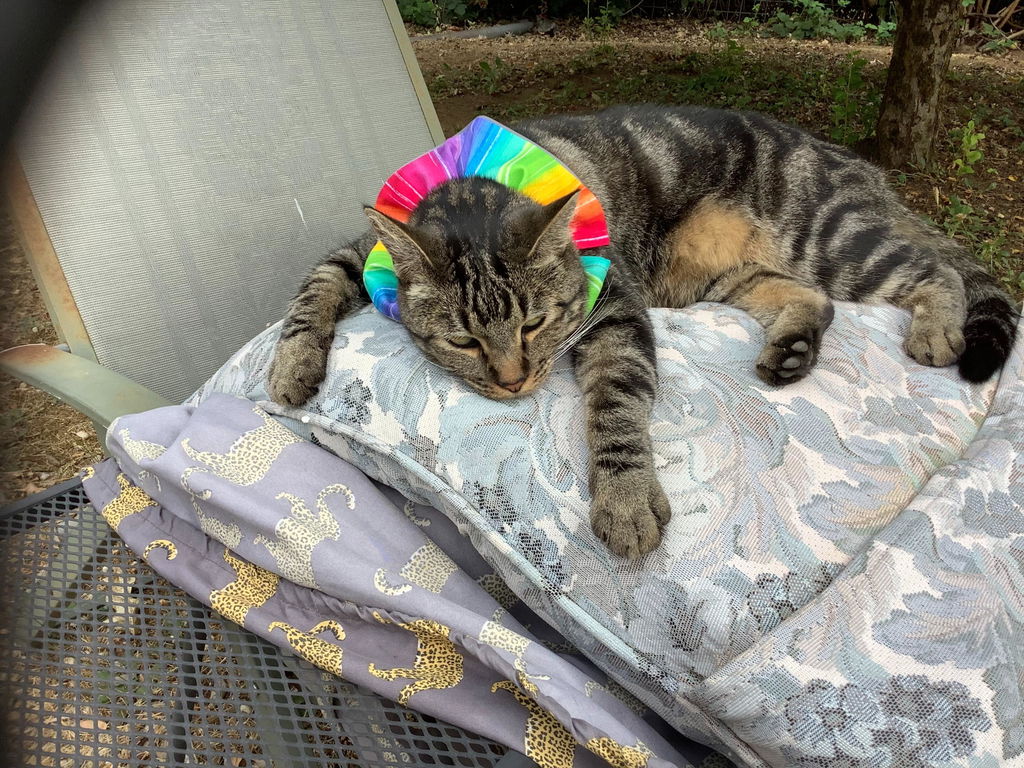
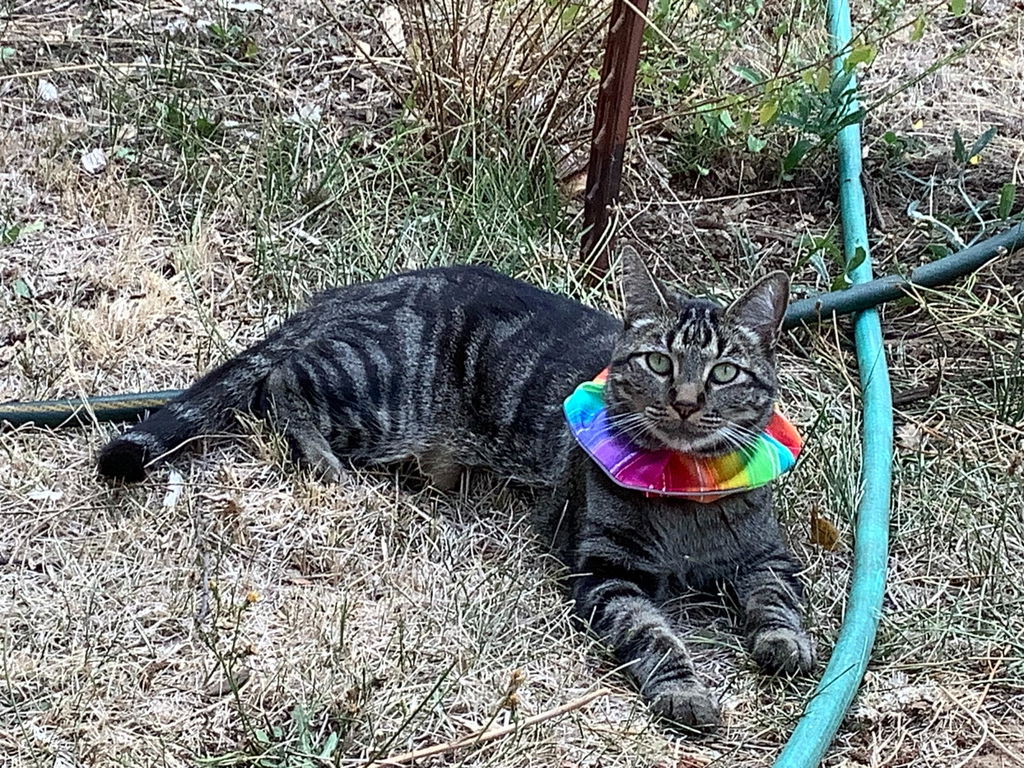
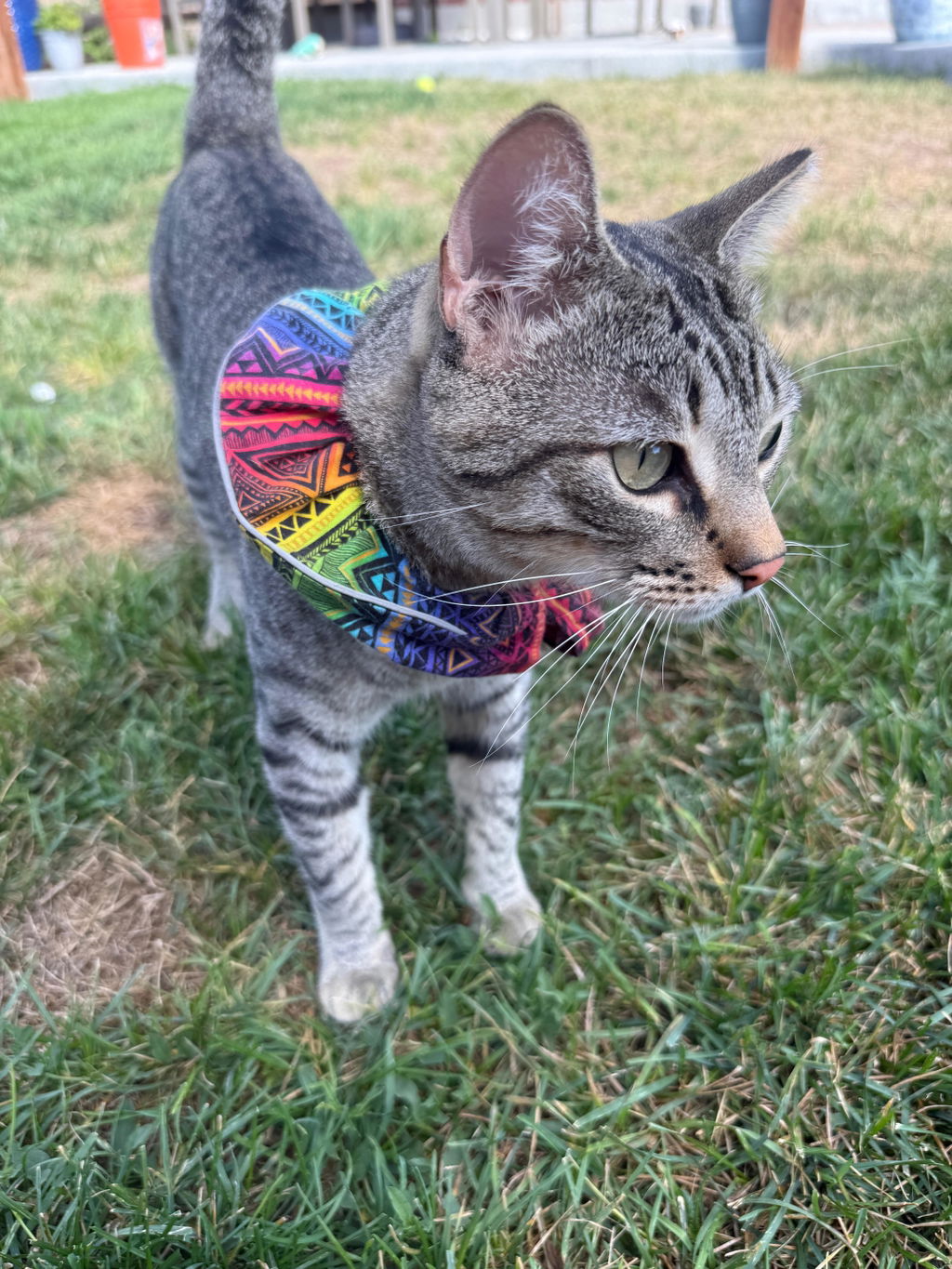
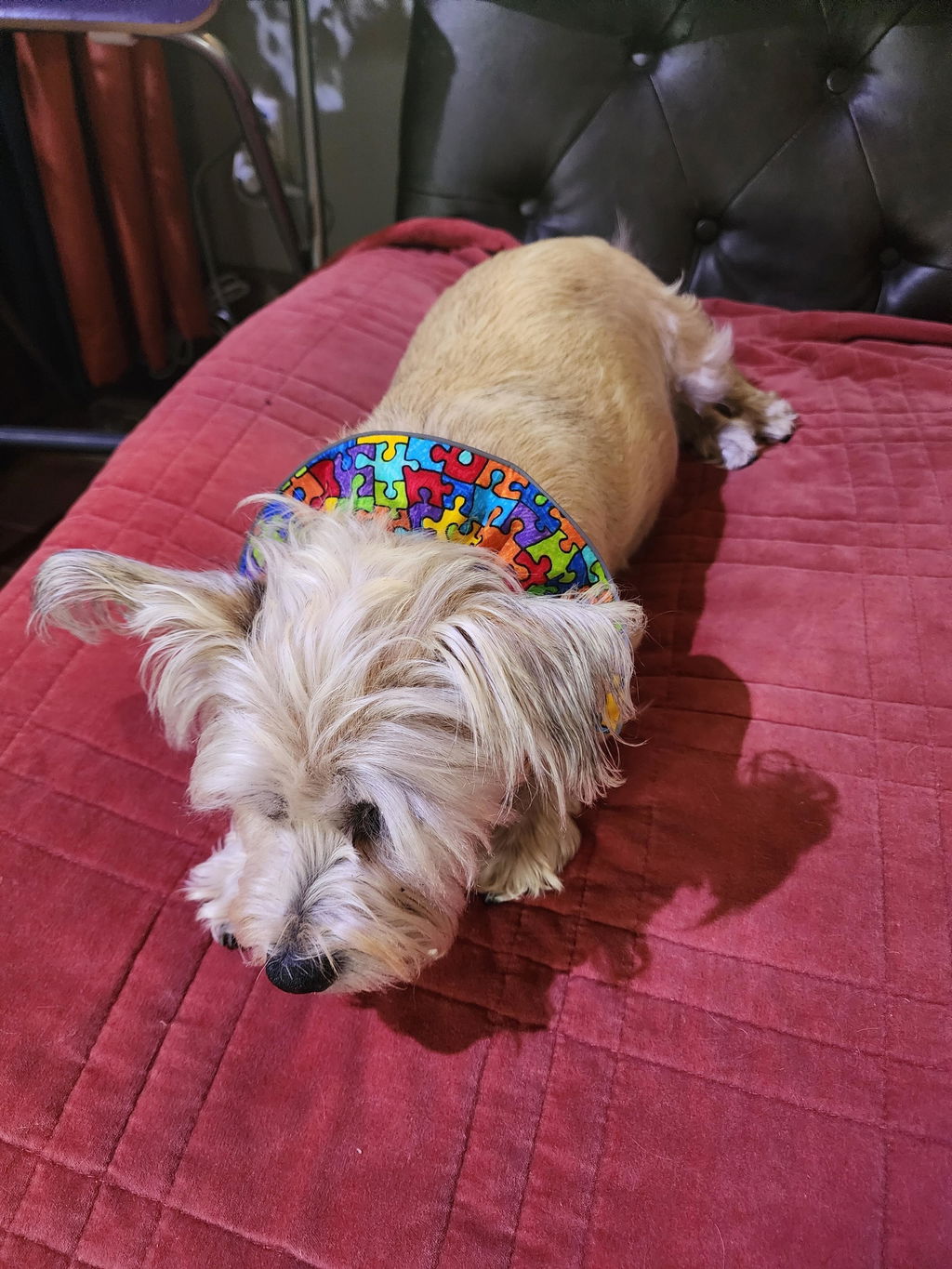
 Equipping your outdoor cat with a vibrant Frida Blanket Birdsbesafe collar cover disrupts their stealth, giving songbirds time to spot them and escape.
Protecting backyard birds doesn't mean you can't love cats. By implementing a few thoughtful strategies around your home during peak migration months, you can turn your yard into a safe haven.
-
Keep Cats Indoors During Peak Morning Hours
Keeping pet cats indoors full-time is the single most effective way to save birds. But if your cat insists on outdoor time, timing is everything. Keep them inside at dawn and in the early morning. This is when tired songbirds descend into yards to forage on the ground and are most vulnerable to attack.
-
Equip Your Outdoor Cat with Protective Gear
If your cat spends time outside, anti-predation tools give wildlife an early warning before an attack occurs. Brightly colored collar attachments disrupt a cat's natural camouflage, giving birds time to react.
-
Redesign Your Bird Feeding Stations
To make your feeding station safer for visiting songbirds, consider implementing these simple design adjustments:
- Provide clear sightlines: Keep feeder areas open so birds can spot lurking cats from a distance.
- Maintain a safe distance from cover: Place feeders 10 to 15 feet away from dense bushes. This gives birds enough time to fly to cover, without giving cats a hidden launchpad right underneath the feeder.
-
Keep ground areas clean: Regularly sweep up fallen seed hulls so ground-feeding sparrows and thrushes aren't forced to feed in low, cluttered cover.
-
Build a "Catio" or Outdoor Enclosure
Give your feline companion the best of both worlds. A "catio" (a patio for cats) provides fresh air, sunshine, and front-row views of passing flocks. It keeps your pet mentally stimulated while ensuring local wildlife remains completely out of reach.
-
Add Deterrents Near Landscaping
If stray or neighborhood cats frequent your garden, consider adding proactive landscape deterrents to safeguard wildlife:
- Install motion-activated sprinklers: Water-repelling deterrents scare off trespassing cats without causing harm.
- Trim low foliage: Prune low-hanging branches and clear dense ground brush within a six-foot radius of bird baths and feeder areas to remove prime ambush spots.
Implementing even two or three of these practical steps can dramatically improve a migrating bird's chances of safely refueling in your yard. However, for outdoor cat owners seeking the most scientifically proven method to disrupt feline hunting, specialized gear offers an exceptionally powerful layer of protection.
Birdsbesafe: Science-Backed Protection for Songbirds
When outdoor cats hunt, they rely heavily on subtle movement and stealthy camouflage. That is where specialized gear like the Birdsbesafe cat collar cover comes into play. Designed as a brightly colored, ruff-like fabric tube, it slips easily over standard breakaway safety collars.
The Science of Avian Vision vs. Feline Stealth
Songbirds see the world differently than mammals do:
| Avian Vision Systems | Feline Hunting Strategy |
| High Color Sensitivity: Processes bright, contrasting hues instantly. | Motion-Triggered: Relies on subtle movements and camouflage. |
| Rapid Optical Processing: Detects visual warnings from long distances. | Stealth & Ambush: Relies on closing distance before being seen. |
What Field Studies Show
Independent scientific studies have put the collar to the test across multiple continents, consistently confirming its effectiveness:
- St. Lawrence University Study (USA): Research published in Global Ecology and Conservation showed an 87% reduction in birds caught by cats wearing Birdsbesafe® covers during peak songbird seasons.
- Murdoch University Study (Australia): The Perth, Australia-based study showed a 54% and 47% reduction in prey captures by both color-sensitive songbirds and lizards.
For pet owners whose cats insist on outdoor access, these collar covers offer a comfortable, highly effective solution that allows felines to enjoy fresh air without endangering weary autumn migrants.
Final Thoughts: Transforming Your Yard Into a Safe Haven
Autumn migration is a marvel of endurance and instinct. Billions of birds rely on our backyards as vital rest stops along their journeys. Protecting these incredible travelers doesn't mean giving up outdoor time for your cat—it simply comes down to a few quick safety checks.
- [ ] Schedule indoor time during dawn and early morning foraging hours.
- [ ] Equip outdoor pets with a high-visibility Birdsbesafe collar cover.
- [ ] Adjust feeder setups to maintain clear sightlines and clean ground areas.
- [ ] Transition to enclosed outdoor spaces like a catio for safe fresh air.
- [ ] Install landscape deterrents like motion sprinklers or trimmed foliage to deter roaming cats.
By checking off these quick steps, we can ensure weary migrants refuel safely and complete their journey south.