How to Call a Cat Around the World: A Guide for International Cat Day

International Cat Day is the ultimate global celebration of the most enigmatic, charming, and fiercely independent roommates we could ever ask for. Whether you live with one pampered princess or three cats who rule the household, you know that being a cat owner is less like "owning a pet" and more like being a staff member to a tiny, furry aristocrat who decides your schedule on a whim.
If you have ever wondered how to call a cat in a way that actually results in them trotting toward you instead of giving you a judgmental stare from across the room, you aren't alone.
From the suburban backyards of the USA to the bustling streets of Bangkok, the methods we use to summon our feline friends are as diverse as the cultures themselves. While we use our voices to project happiness, cats are speaking an entirely different language rooted in biology and visual signals.
This International Cat Day, let’s explore the global lexicon of the "cat call" and learn how we can bridge the gap between human intent and feline action.
- The Science of Communication: Why Cats Listen
- How to Call a Cat in Different Languages
- Summoning Methods in North America and Europe
- The American "Pspsps"
- The Polish "Kici-kici-kici"
- The French "Minou-minou-minou"
- The Slavic "Ksksksksks"
- The German "Mieze-mieze-mieze"
- The Italian "Mici-mici-mici"
- Summoning Methods in Asia and the Middle East
- The Filipino "Ming-ming-ming"
- The Thai "Maew-maew-maew"
- The Japanese "Shu-shu-shu"
- The Egyptian "Mish-mish-mish"
- Summoning Methods in Latin America
- The Hispanic "Misi-misi" or "Michi-michi"
- The Physics of Feline Hearing
- The Birds Don't Speak Human: A Safety Perspective
- Training for the Recall: How to Get Them to Come
- Celebrating International Cat Day Responsibly
- The Global Language of Care
- A Final Purr
The Science of Communication: Why Cats Listen
To master how to call a cat, you must first understand that while humans communicate with words, cats communicate through an intricate dance of body language and vocalizations. Understanding the biology behind cat sounds helps you interact more effectively:
-
Vocalizations
Adult cats primarily use the meow to communicate with humans, not with other cats. If you watch mother cats with their kittens, you’ll notice they don't meow at each other. Instead, kittens under one month old use a high-pitched distress call to alert their mother when they feel hungry or cold. Cats produce these distinct sounds to navigate their social world.
Another fascinating vocalization is the trill. A trill is a friendly, high-pitched sound lasting less than a second that cats use as a greeting to express affection or acknowledge your presence.
-
Purring Patterns
They purr when they feel happy, but they also use this rhythmic sound when they experience pain or discomfort. Possibly, a cat purrs to self-soothe when they feel anxious.
Defensive cues are equally vital to watch out for. They might hiss—a fear-based response used when they feel a perceived threat. Cats growl when they are playing or truly angry.
-
Body Language and Emotion
They use eye contact, tail position (a tail high acts as a greeting!), and ear positioning to show you exactly how they feel. For example, a slow blink often signifies trust and affection.
The emotional factor heavily dictates their response. When we try to summon them, we are competing with their entire internal emotional state. If your cat is waiting for dinner or hungry, they are much more likely to respond to your call than if they are napping or focused on a toy.
With this biological foundation in mind, we can better appreciate why different cultures have developed such specific and effective ways to get a cat's attention.
How to Call a Cat in Different Languages
The way we beckon our feline companions tells us as much about our culture as it does about our cats. While the "pspsps" sound is a popular choice for many Americans, travel across the globe, and you will find that "cat calling" is a truly international phenomenon.
Summoning Methods in North America and Europe
 |
The American "Pspsps"This rhythmic, sibilant sound is the go-to for many Americans. Culturally, pet owners in the US often view their cats as fully integrated family members or "fur babies." This sound has become a digital-age icon for summoning cats online and in real life. It is often accompanied by highly interactive gestures, such as a light finger snap or a pat on the couch, to invite the cat into a shared space. |
The Polish "Kici-kici-kici"A rhythmic, high-pitched call that almost every Polish cat recognizes instantly, acting as a clear invitation to come closer. Poland has a deep agrarian history where cats were once strictly working animals essential for protecting grain from rodents. The affectionate diminutive "kici" (derived from the Polish word for cat, kot) beautifully reflects the cultural shift of the feline from a barnyard worker to a beloved household companion. |
 |
 |
The French "Minou-minou-minou"Derived from the French term minou, a cute name for a cat. It is whispered or called out in a gentle, melodic tone that cats seem to find very appealing. French culture famously values romance, melody, and aesthetics, and this extends to their pets. "Minou" is such an endearing term that the French sometimes even use it affectionately for their human loved ones! |
The Slavic "Ksksksksks"Widely used across Russia and Ukraine, this sharp, hissing sound is the standard way to summon a cat. It effectively mimics the rustling of small rodents to pique their predatory interest. Slavic cultures have a rich, ancient folklore surrounding cats (like the mythical, storytelling Bayun cat). This sharp, cutting noise was historically practical, designed to carry clearly across vast, snowy distances or large farms to call a mouser back inside. |
 |
 |
The German "Mieze-mieze-mieze"Derived from Miezekatze, an affectionate word for a cat, usually spoken in a soft, welcoming voice that suggests a treat is on the way. Germany is a nation of devoted pet lovers with high standards for animal welfare. The cozy, nostalgic pronunciation of this call delightfully contrasts with the traditionally sharper consonants of the German language, showcasing a distinct cultural soft spot for their feline friends. |
The Italian "Mici-mici-mici"This is the classic, melodic way to get an Italian cat's attention during playing or feeding time. Italy is famous for its cherished community cats, especially those lounging among the ancient ruins of Rome. "Mici" is almost always spoken with classic Italian musicality and accompanied by expressive hand gestures, reflecting a culture of passionate, vocal, and lively interaction. |
 |
Summoning Methods in Asia and the Middle East
 |
The Filipino "Ming-ming-ming"In the Philippines, a cat is affectionately called a "ming-ming." When calling a cat, the repetition of "ming-ming" in a high-pitched and cheerful tone is the absolute gold standard. It is a sweet, musical noise that fits perfectly with the warm, deeply communal culture (known as Bayanihan) of Filipino pet owners, where both indoor pets and community street cats are treated with a friendly, welcoming spirit. |
The Thai "Maew-maew-maew"The Thai word for cat is maew, which is itself onomatopoeic, mimicking the sound a cat makes. When calling a cat, Thais often repeat this in a soft, welcoming, and melodic way. Thailand is the historical home of revered breeds like the Siamese, and cats have long held a respected, sometimes spiritual place in Thai culture. The use of their natural sound reflects a culture deeply observant of nature and animal behavior. |
 |
 |
The Japanese "Shu-shu-shu"This sound is often used to get a cat's attention, effectively mimicking the subtle movements of small animals and triggering their natural curiosity. Japan has a deep-rooted cultural obsession with cats—from the lucky Maneki-neko figurines to modern cat cafes. The soft "shu-shu" reflects the Japanese cultural emphasis on gentleness, politeness, and social harmony (wa) and deliberately avoids loud or disruptive calls. |
The Egyptian "Mish-mish-mish"In the land where cats were once worshipped, this soft, sweet call is the traditional method for beckoning a feline friend toward you. While they are no longer worshipped as deities alongside the goddess Bastet, cats remain a ubiquitous and beloved part of daily life in cities like Cairo. "Mish-mish" (which also translates to "apricot" in Arabic) is an endearing term that bridges the gap between their divine past and their modern, street-smart present. |
 |
Summoning Methods in Latin America
 |
The Hispanic "Misi-misi" or "Michi-michi"A very common call throughout Spain and the Spanish-speaking world, as michi (quite similar to the Italian variation) is a popular nickname for cats. Linguists believe michi has deep historical roots, blending the languages of Spanish colonizers with Indigenous languages such as Quechua and Nahuatl. Today, the call is deeply warm and familial, reflecting the massive importance of family—including furry members—in Hispanic cultures. |
The Physics of Feline Hearing
Generally speaking, the answer to why these sounds work lies in the physics of sound and feline hearing. Cats have incredibly sensitive ears, designed to track the subtle rustling of small prey.
Most of the sounds we use—the hissing "s," the sharp "k," or the repetitive "ps"—mimic the high-frequency chirps or rustles that trigger a cat’s predatory instincts. However, even the most effective cultural call can fall on deaf ears when a cat is out exploring, which brings us to an important safety consideration.
The Birds Don't Speak Human: A Safety Perspective
 When wild hunting instincts kick in, your cat's ears completely shut out the human world.
Here is where it gets interesting for the International Cat Day observer: the moment your cat steps outside, they enter a completely different sensory network. Suddenly, the domestic rules no longer apply, and a profound communication gap opens up between your voice and the wild.
-
The Language Barrier
When you stand in your backyard calling your cat—whether you say "ming-ming," "pspsps," or "kici-kici"—you are using human language. But the birds, the squirrels, and the wildlife in your garden operate on an entirely different frequency. They don't understand that your vocalizations mean you are trying to call your predator-buddies back inside; to them, your voice is just background noise, giving them no warning of impending danger.
-
Instincts Override Ears
We must remember that domestic cat behavior is deeply rooted in the instinct to hunt. Even the gentlest, most pampered couch potato transforms when their predatory drive is triggered by a sudden rustle or a flash of feathers. In that high-stakes moment of focus, your cat's wild instincts completely override their ears—they aren't ignoring your calls out of spite; they literally cannot hear you over the rush of adrenaline.
-
The Birdsbesafe Solution
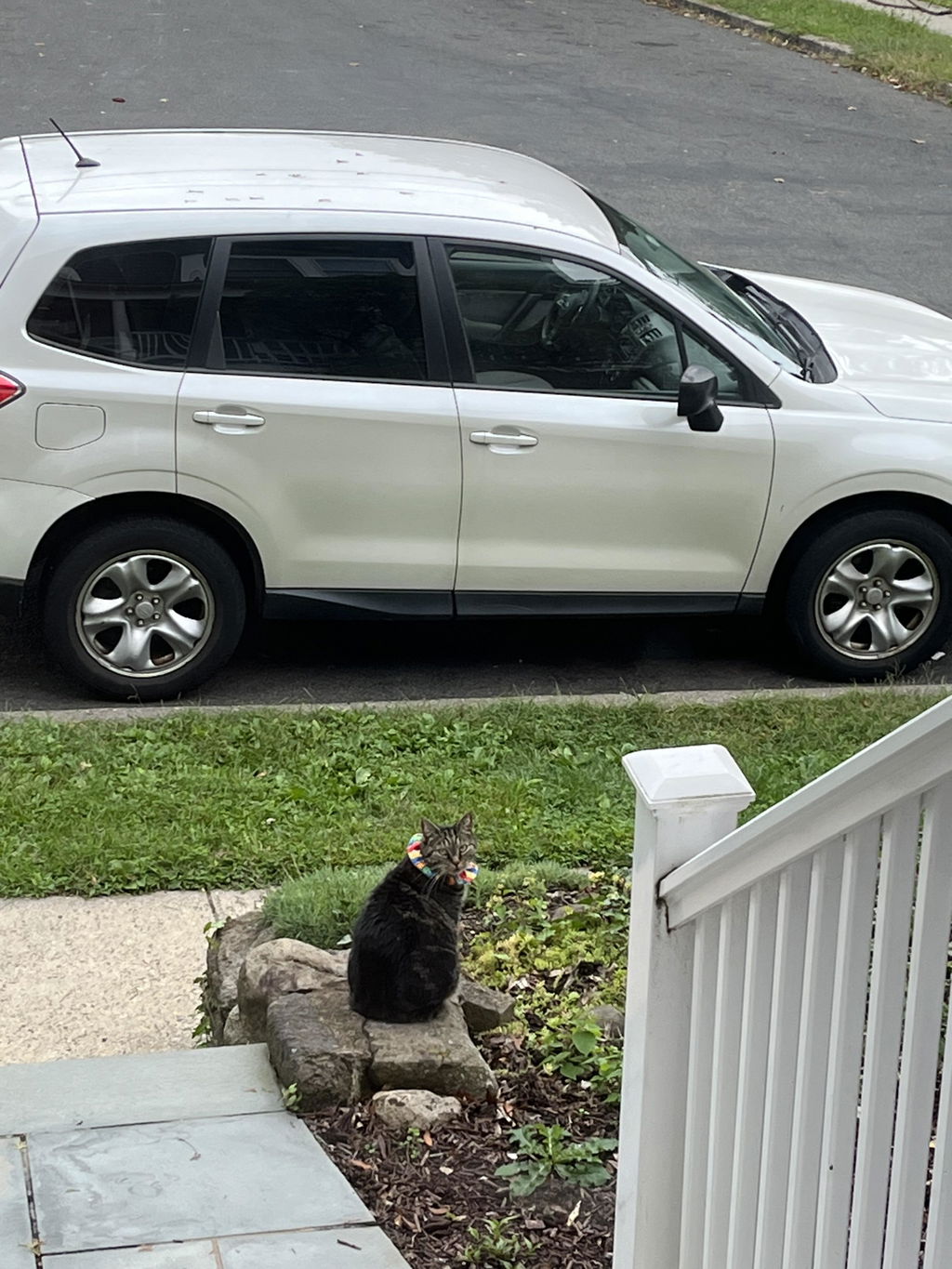
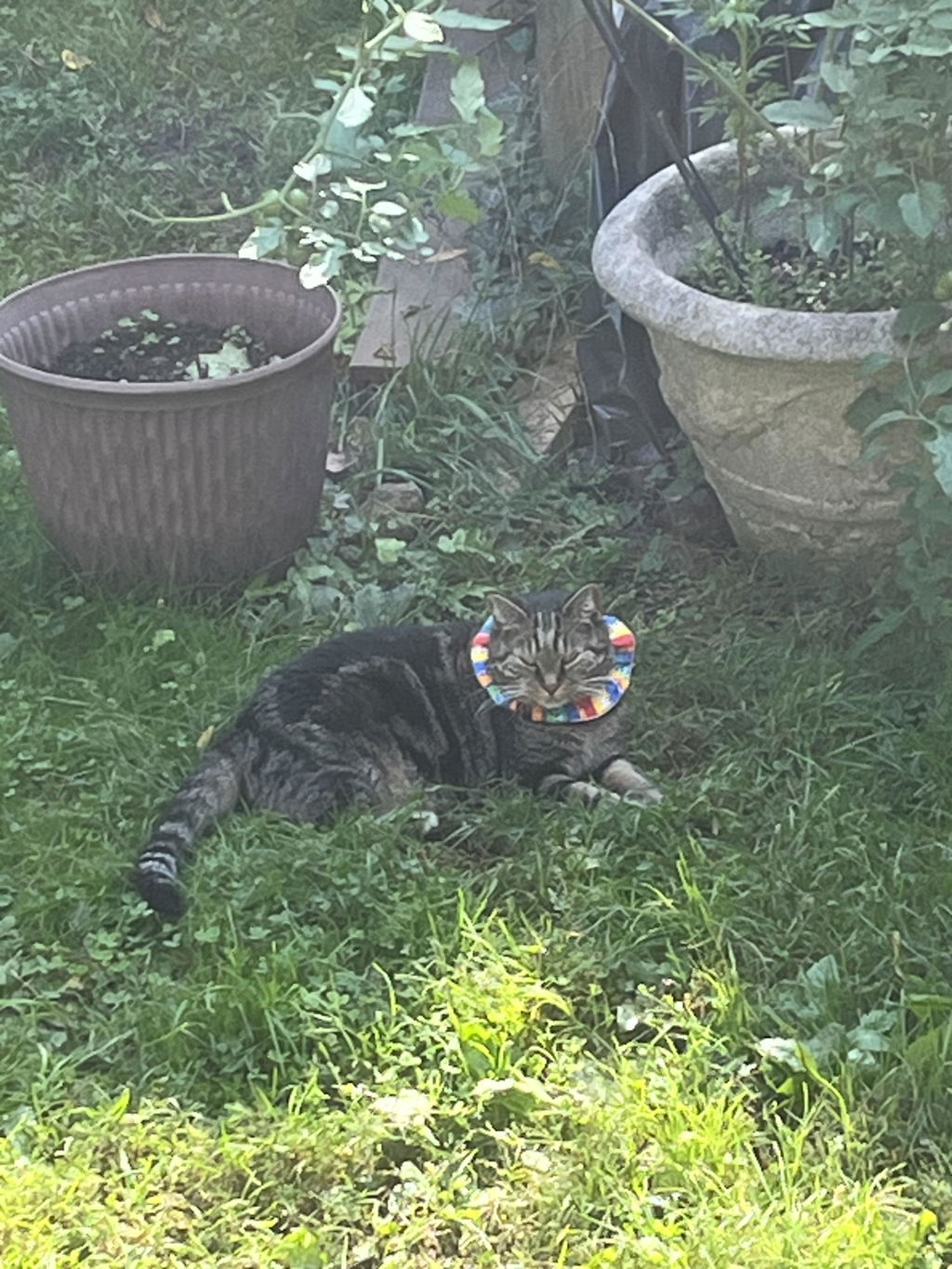
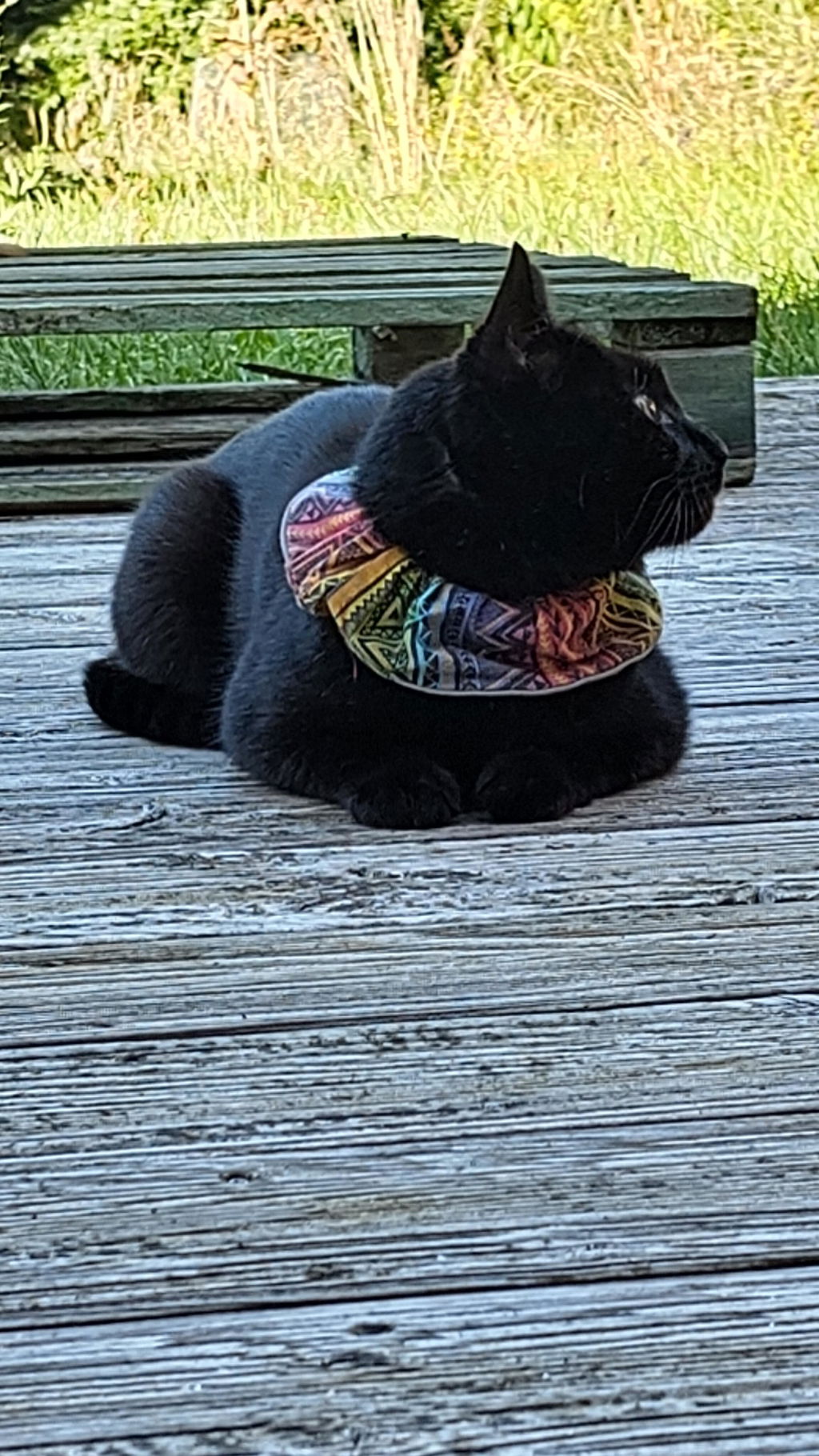
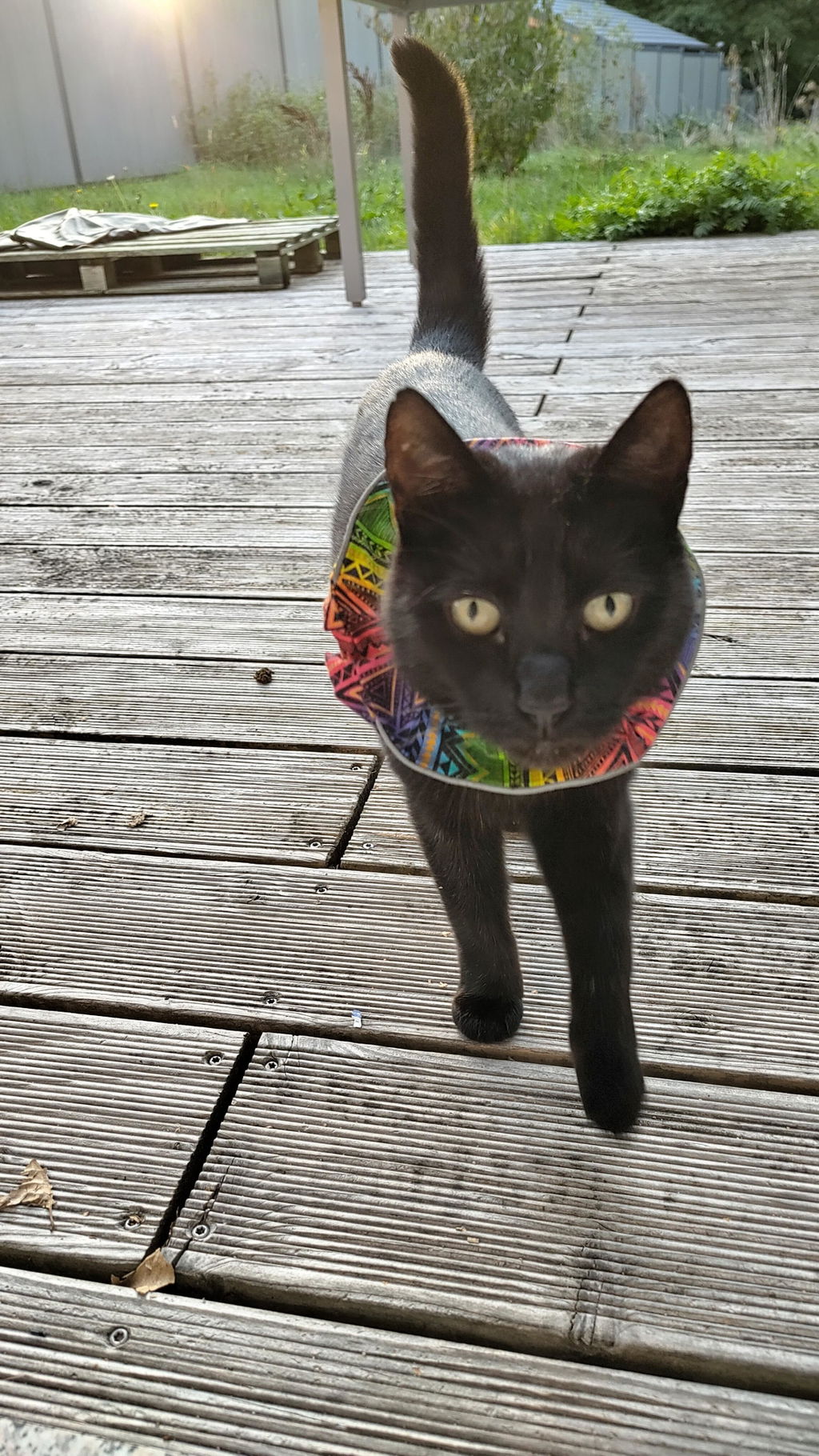
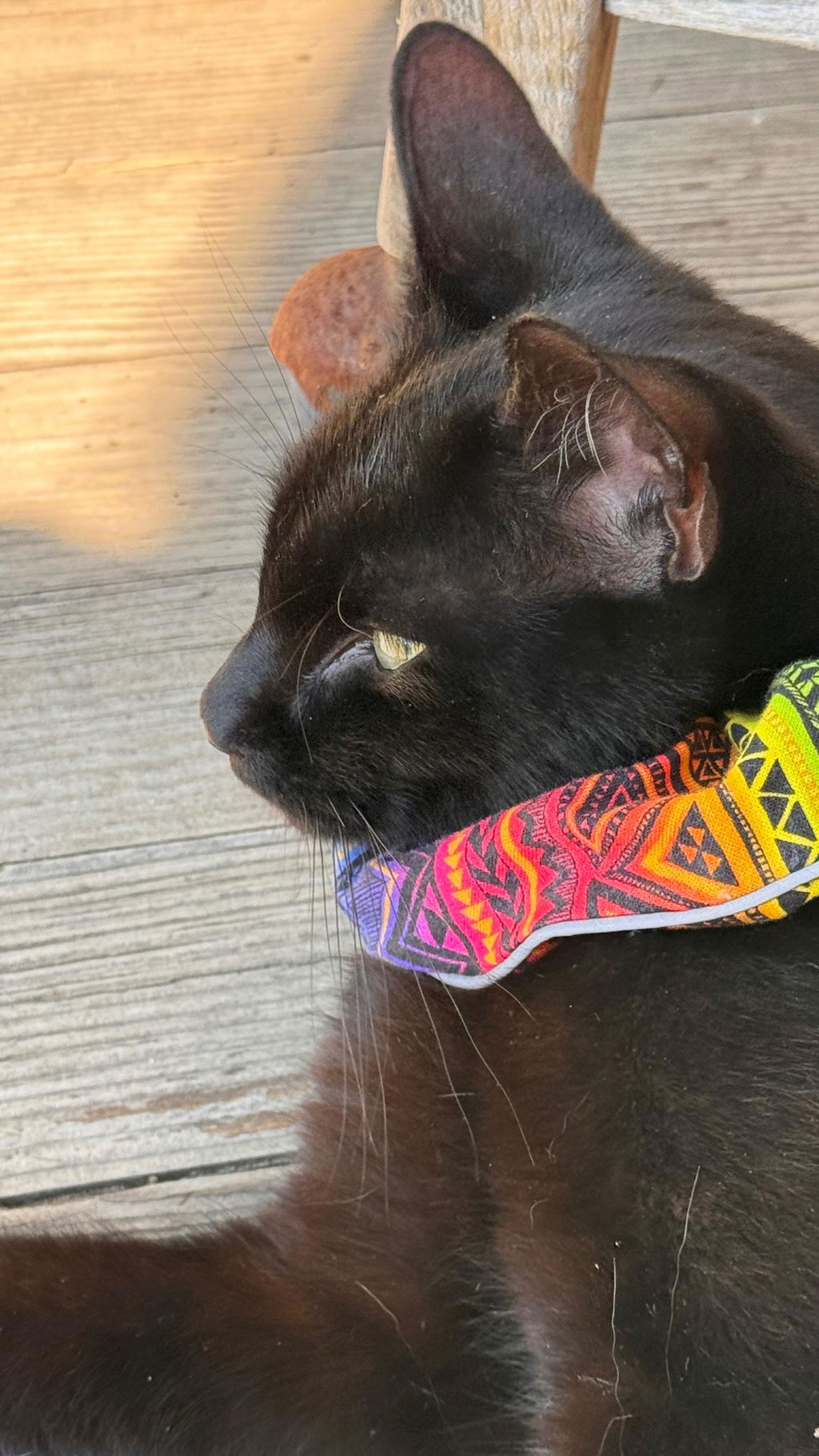
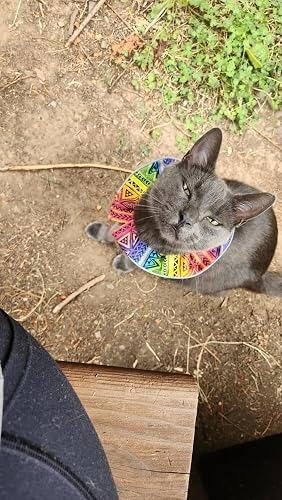
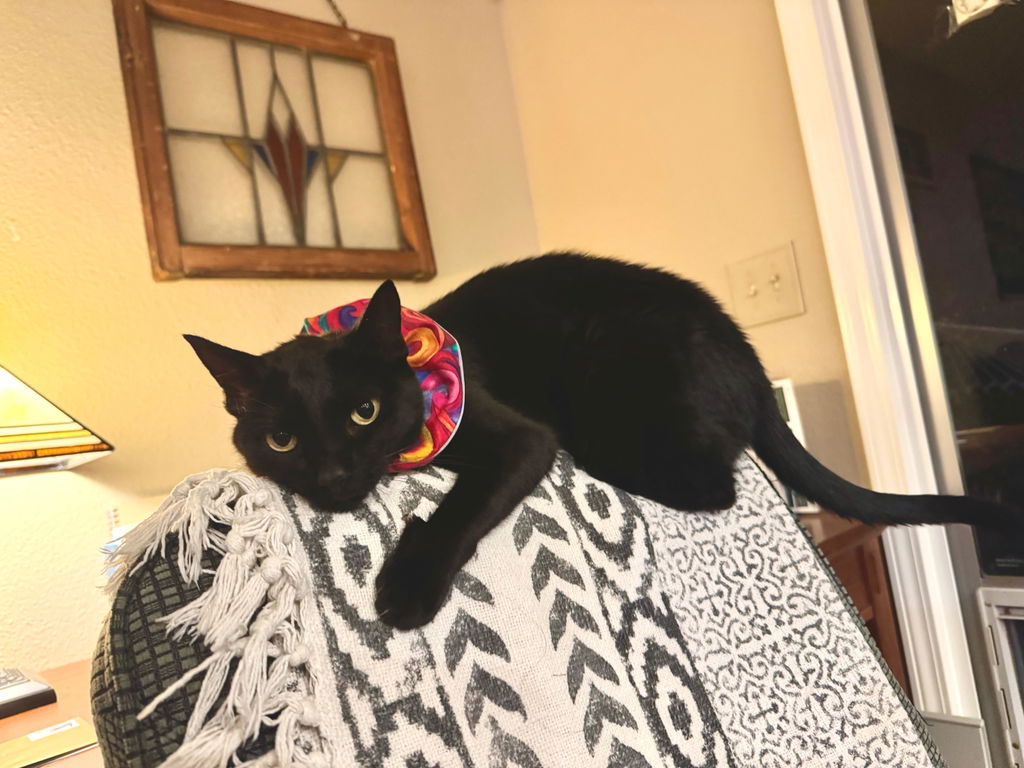
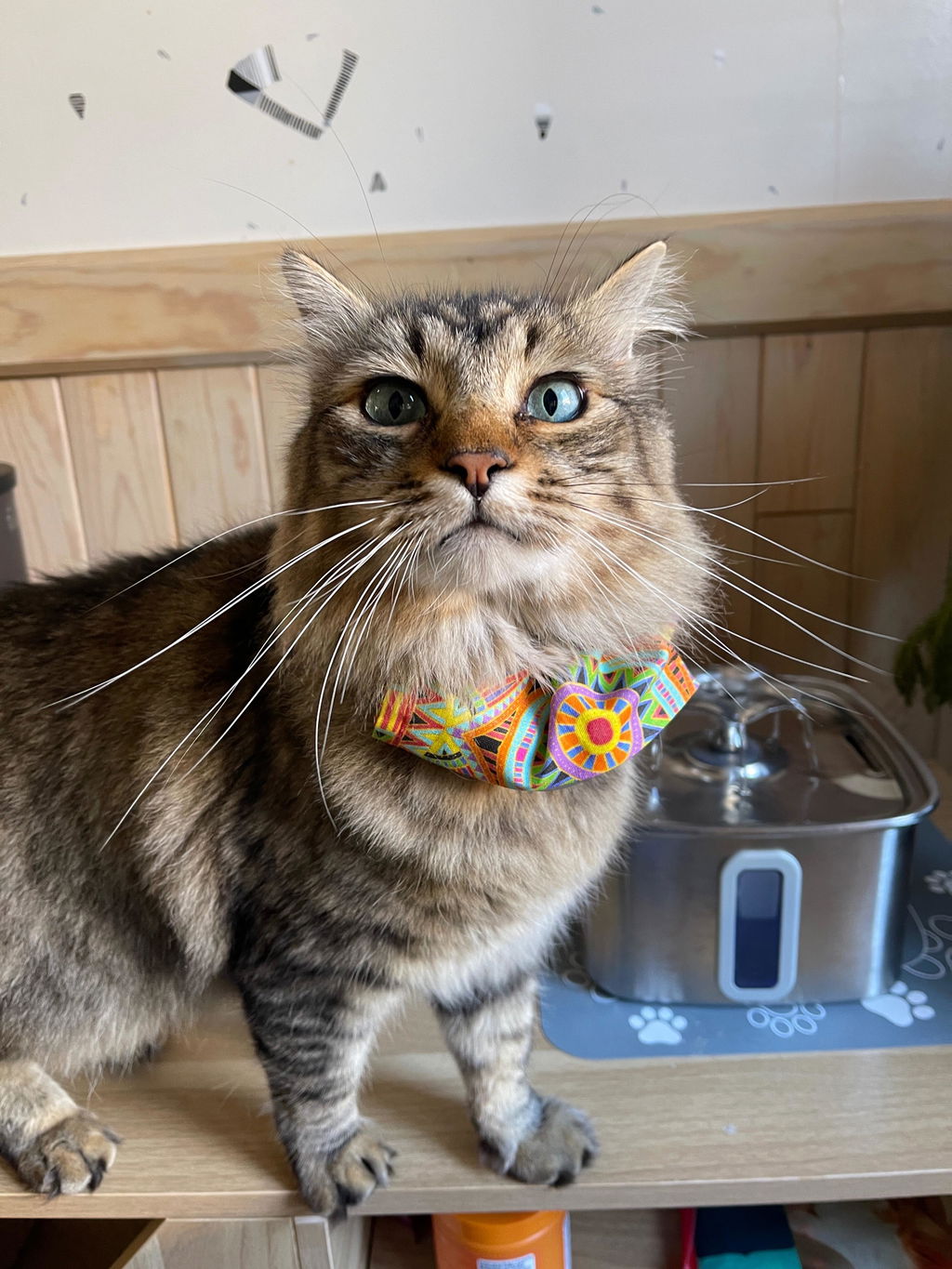
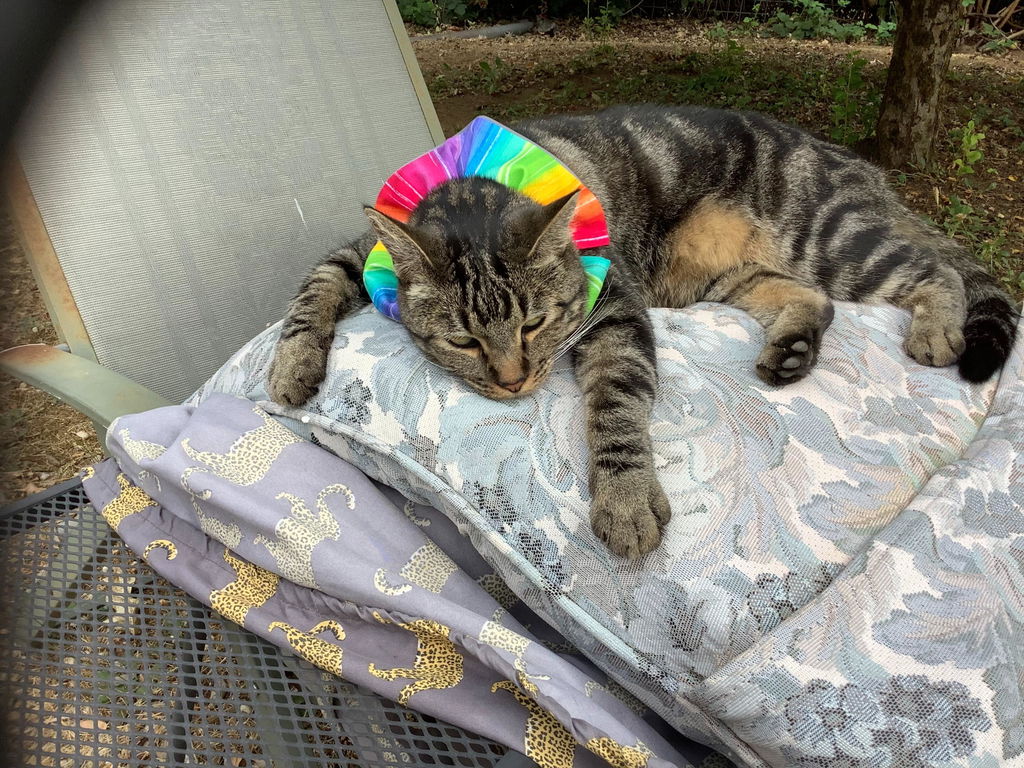
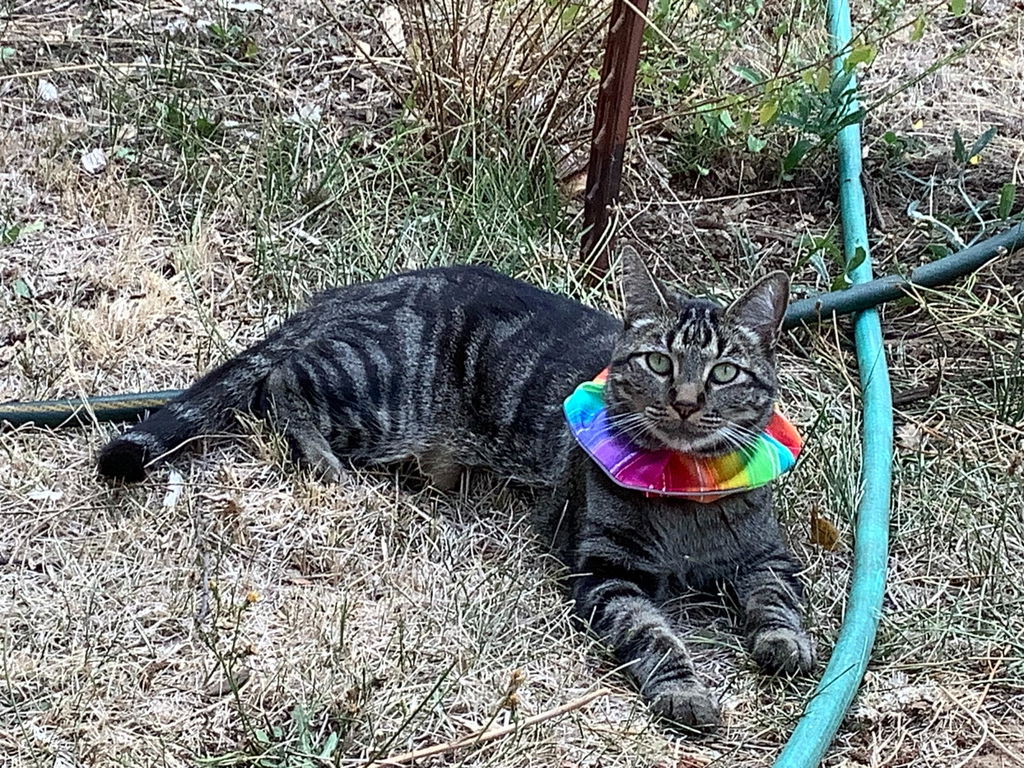
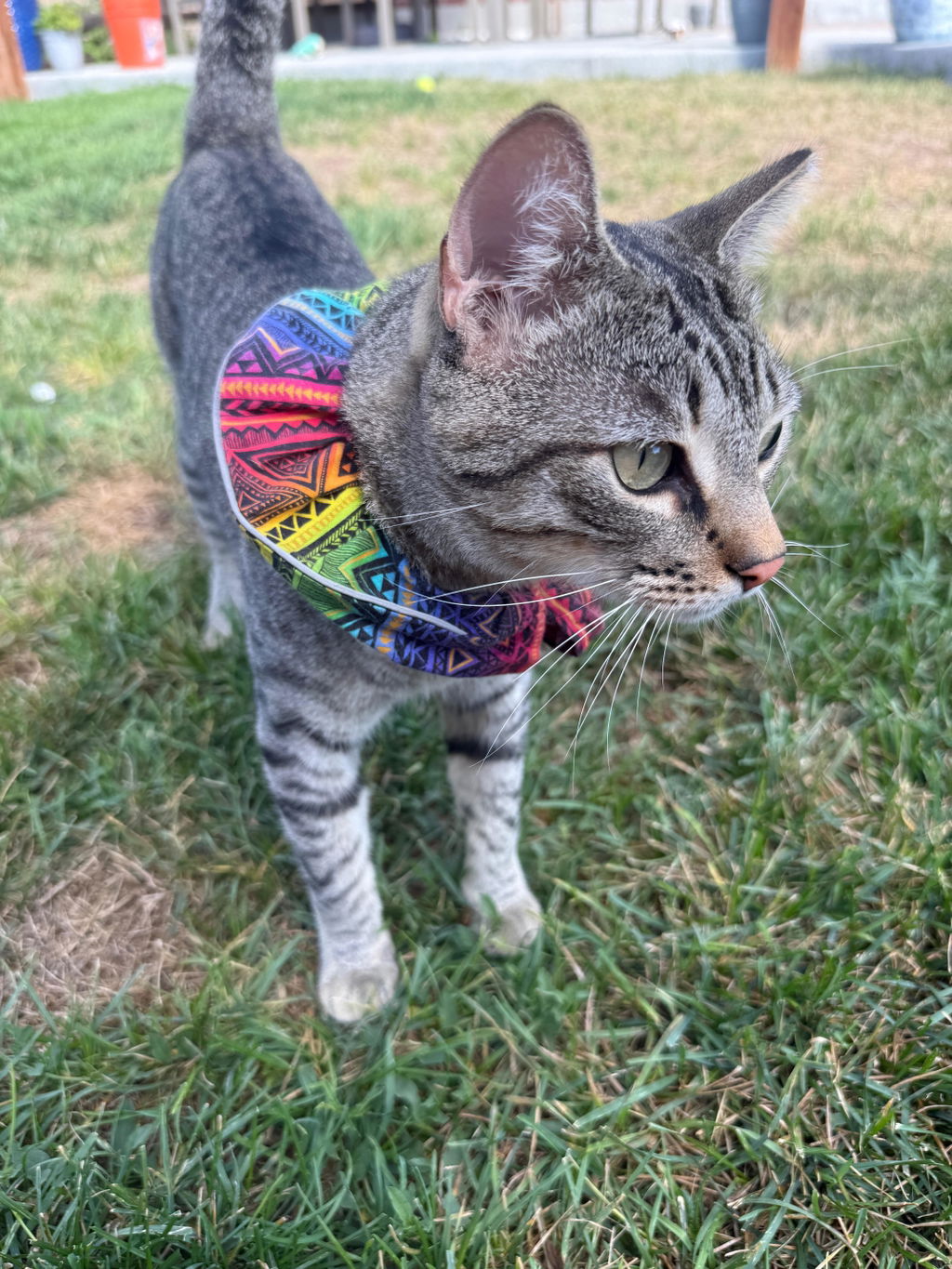
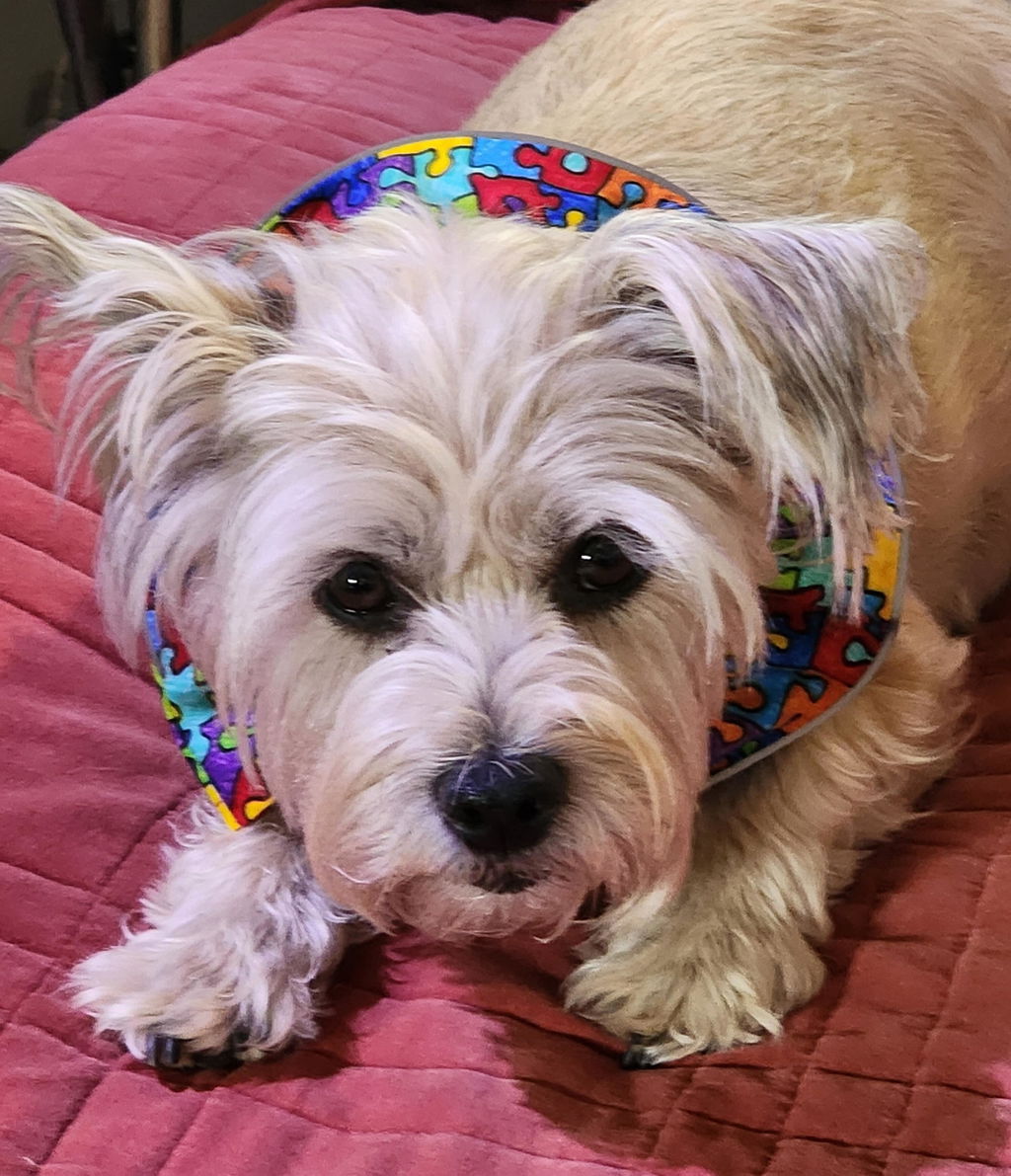
Since your voice can't bridge this evolutionary gap, you need a solution that speaks directly to the wildlife instead. This is where the Birdsbesafe collar cover comes in.
Birds don't understand human commands, but they have exceptionally advanced color vision. By using bright, high-visibility patterns, the collar cover serves as a universal visual warning in the language of the wild. It alerts local birds from a distance, giving them the head start they need to fly away when your cat is too gripped by hunting instincts to listen to your call.
While visual warnings help protect wildlife, reinforcing your cat's training can significantly improve your ability to keep them close by when they are playing outside.
Training for the Recall: How to Get Them to Come
 Shaking a treat jar is one of the most reliable ways to train your cat to come when called.
Photo by Gabriel Martin on Unsplash
If you want to move beyond just shouting into the air, you can train your cat to come when called. By implementing a few consistent habits, you can make your voice the most attractive sound your cat hears all day.
-
The Treat Jar Strategy
Shaking a treat container is a reliable method to summon a cat. The sound of the treat hitting the container or the food hitting the bowl is a powerful incentive.
-
Sound Conditioning
Pair a sound cue—like a click or a specific high-pitched meow—with a reward. Conditioning is used in training to connect a sound with a reward.
-
Positive Reinforcement
Keep your voice associated with good things. If you only call your cat over for unpleasant tasks (like getting into a carrier), they will learn to ignore you. Instead, call them regularly just to give them treats, praise, or affection, so they associate coming to you with a reward.
-
Short Sessions
Training sessions should be kept short to maintain cat interest.
-
Gradual Success
Gradually increasing the distance during training helps improve recall reliability.
-
Gesture Usage
Generally, cats respond better to gestures than spoken calls. If you pair a vocal sound with a hand gesture, you are using the multi-sensory communication that they truly understand.
As you refine these training techniques, it is also important to maintain the right mindset, keeping the experience positive for both you and your cat as you grow together.
Celebrating International Cat Day Responsibly
 This International Cat Day, let’s commit to understanding and respecting the unique personalities of our feline companions.
As we celebrate International Cat Day, let’s go beyond treats and head scratches to truly acknowledge the deep, complex lives of our feline friends. Being a guardian to a cat is a dynamic journey that requires patience, observation, and a commitment to their holistic well-being.
-
Respecting individuality
Every cat has a unique personality. Whether you share your home with male cats or female cats, it is vital to recognize their personal preferences, whether they are bold explorers or quiet observers.
Things to look out for: Watch for signs of stress when your cat is in new environments or around new people, and adjust your expectations to match their natural temperament.
-
Watching their signals
If you see your cat paws-first into a situation that feels tense, watch their mouth and their ears. If they start hissing or their ears pin back, or if you notice sudden biting during playtime, you see a clear sign they feel uncomfortable or threatened.
Things to look out for: If you notice sudden tail twitching or flattened ears during a petting session, it is time to give your cat some physical space before they feel forced to react defensively.
-
Avoiding negative associations
Consistency is the secret to a happy feline relationship. We want our cats to associate our voices with positive outcomes, not with punishment or stressful events.
Things to look out for: If you find your cat ignoring your calls, ask yourself if you’ve recently used that same tone to scold them or force them into a carrier. Always pair your voice with high-value rewards to keep the association positive.
-
Environmental enrichment
A responsible owner knows that a bored cat is often a stressed cat. Your home should be a playground that provides mental and physical stimulation throughout the day.
Things to look out for: Monitor how your cat interacts with their space. If they are scratching furniture, they likely need more appropriate surfaces, such as scratching posts; if they are restless, they may need more interactive toy sessions to burn off energy.
-
Health and wellness
Because cats are masters at hiding pain, it is up to us to notice the subtle changes in their daily habits that might indicate they are feeling unwell.
Things to look out for: Keep an eye on changes in appetite, if they refuse to eat, or if you notice sudden weight loss over the span of a few weeks. Remember that cats purr for comfort as well as happiness, so if a cat purrs while also acting unusually withdrawn, you should schedule a vet check-up.
Ultimately, creating a safe and happy life for your cat requires a blend of training, awareness, and the right equipment to support their natural behaviors. By focusing on these core pillars of responsible ownership, you ensure that every day—not just International Cat Day—is filled with the mutual respect and companionship that makes the feline-human bond so incredibly special.
The Global Language of Care
People around the world are increasingly adopting indoor-outdoor hybrid lifestyles for their pets. Balancing these lifestyle choices with feline safety and ecosystem protection remains a goal that unites cat lovers everywhere, bridging the gap between our desire to give our pets freedom and our duty to the environment.
Cambridge University Press and various behavioral studies document the complex, instinctual needs of cats, reminding us that we, as owners, must carefully balance those needs with our responsibility to the broader ecosystem. Whether you use a high-value treat to entice them inside at dusk or rely on high-visibility gear to protect local birds while your cat enjoys its outdoor time, you play a vital role as a responsible, loving guardian. You can begin to view this as a shared language of care.
A Final Purr
In the end, your specific word choice—whether you say "pspsps," "ming-ming," or "kici-kici"—matters little. You cannot rely on one singular universal method for cat sounds, but you can build a bond through consistent effort. That bond grows in respect, develops through a deep understanding of their unique needs, and maintains itself as you provide a safe, enriched environment where they can thrive.
So, go ahead and shake that treat jar in your house; try shaking it gently while you call their name, as many owners find this highly effective. Call out to your favorite pet in whatever language feels right to you. If they don't come running immediately, do not worry—they probably heard you perfectly; they just currently decide if they find the interaction worth their time.
Happy International Cat Day! May your purrs remain frequent, your litter boxes stay clean, and your adventures continue safely.