Birds of Spring Season: Understanding the Dawn Chorus

Photo by Aneta Rog from Pixabay
Step outside just before sunrise and listen. Winter mornings have been quiet, but that’s starting to change. A robin might sing first. Then a cardinal joins in. Soon, sparrows and blackbirds add their notes, and the morning feels alive again. The birds of spring season are beginning to return.
That growing burst of sound is called the dawn chorus. Over the next few weeks, more spring birds will arrive from their wintering grounds in the south and continue their migration north. Forests, parks, and backyard gardens will slowly fill with sound again. For birdwatchers, this is an exciting time—when the binoculars come out, and every walk outside might reveal a new arrival in the trees or shrubs.
- Why Birds Matter for Nature
- Birds of Spring Season and the Dawn Chorus
- Migration is Bringing More Spring Birds North
- Spring Birds You May Start Seeing in Your Backyard Soon
- How to Attract Spring Birds to Your Yard
- Protecting Birds During Nesting Season
- Welcoming the Season Ahead
Why Birds Matter for Nature
 Spring birds nourish the land by spreading seeds and balancing insect life.
Photo by Vijayalakshmi Nidugondi on Unsplash
Before diving deeper into the dawn chorus and migration, it’s worth stepping back and asking a simple question: why do birds matter so much in the first place?
Birds play an important role in maintaining ecosystem health. Their presence influences plant growth, insect populations, and even forest regeneration.
Here are a few ways they support the natural world:
- Pollination – Hummingbirds transfer pollen while feeding on nectar, helping flowers reproduce.
- Seed dispersal – Birds spread seeds after eating fruit, allowing plants and forests to grow in new areas.
- Pest control – Many birds are insect eaters, feeding on insects that hatch as temperatures warm.
As spring approaches, these roles become even more important. The arrival of migratory birds catalyzes ecosystem renewal. Returning birds quickly begin feeding on insects, helping control pest populations while spreading seeds that support new plant growth.
Scientists also track bird migration patterns because they reveal important environmental signals. Changes in migration timing provide valuable data on ecosystem health and may even indicate shifts linked to climate change.
With that in mind, the growing activity of birds each spring becomes more than just a seasonal change. It’s part of a much larger cycle of life.
Birds of Spring Season and the Dawn Chorus
Songbirds are most vocal in the early morning hours, when cooler air allows their calls to travel farther. During spring, these songs serve several important purposes.
Behind the music you hear are different types of communication:
- Territorial singing – Male birds sing repeatedly to claim breeding territories and warn rival males to stay away.
- Courtship songs – Certain songs help attract mates and signal breeding readiness.
- Announcing arrival after migration – Birds returning from their wintering grounds use song to establish their presence in a new region.
- Mirror fighting – Some birds attack reflections in windows, mistaking them for rivals defending the same territory.
- Woodpecker drumming – Woodpeckers drum on trees or poles to communicate territory and attract mates.
As more birds arrive each week, the chorus grows louder. For many people, this daily performance becomes one of the most recognizable sounds of springtime.
But where are all these birds coming from?
Migration is Bringing More Spring Birds North
 Spring migration sends waves of birds north toward their breeding grounds.
Photo by Emiliano Arano on Pexels
Many of the birds appearing in spring have traveled thousands of miles to get here.
A large number of songbirds spend winter in Mexico, Central America, or South America, where insects are available year-round. As temperatures begin to warm in February and March, they start their long migration north.
Birds rarely migrate randomly. Instead, they follow natural travel corridors that provide food and rest along the way.
Common migration routes include:
- Rivers and wetlands rich with insects
- Coastlines such as Lake Michigan
- Forest corridors filled with trees and protective shrubs
Migration usually happens in waves. Eventually, different species will begin to arrive.
Typical seasonal patterns include:
- March – Ducks begin migrating north.
- April – Early songbirds such as sparrows, kinglets, and thrushes appear.
- May – Tanagers, orioles, and colorful warblers arrive.
Their arrival is something birdwatchers have been waiting for all year. If you want to know exactly when certain songbirds typically reach your region, it can also help to check local birding calendars or migration reports. These guides often track recent sightings and can point you to the best time and places to see newly arriving birds.
Spring Birds You May Start Seeing in Your Backyard Soon

As migration continues, more birds will begin appearing in parks, forests, and backyards.
Some may already be present, while others will arrive week by week.
Keep an eye out for these familiar spring birds:
- American Robin (Turdus migratorius), searching lawns for worms and insects
- Eastern Bluebird (Sialia sialis), with bright blue wings and a chestnut breast
- Baltimore Oriole (Icterus galbula), known for its orange and black plumage and its love of fruit and nectar
- Indigo Bunting (Passerina cyanea), glowing bright blue in sunlight
- Scarlet Tanager (Piranga olivacea), red with jet black wings
- Barn Swallow (Hirundo rustica), swooping through the air while chasing insects
- Blackbird (Agelaius phoeniceus), especially red-winged blackbirds, are defending marshy territories
Some birds, like cardinals, remain in many regions year-round, but their songs grow louder as spring approaches.
How to Attract Spring Birds to Your Yard
 Bird feeders offer migrating spring birds an easy source of food after long journeys.
Photo by Jay Brand on Pexels
As more spring birds arrive in your region, your yard can become a valuable stop along their journey. Migrating birds are often tired and low on energy after long-distance travel. A yard that offers food, water, and shelter can give them the chance to rest, refuel, and sometimes even build a nest.
The good news is that creating a bird-friendly space doesn’t require a huge garden. Even a small backyard can attract a surprising number of species.
Here are a few tips to make your yard more welcoming for birds.
-
Offer Reliable Food Sources
One of the easiest ways to attract birds is by setting up bird feeders. Birds arriving from migration need quick sources of seeds, fruit, and other food.
Consider offering a mix of foods so different birds can find something they like:- Sunflower seeds – One of the best all-around foods for backyard birds. Cardinals, chickadees, finches, and many other common birds love them.
- Mixed seed blends – These attract a wide variety of birds, including sparrows and blackbirds.
-
Fruit slices – Oranges or berries can help attract Baltimore oriole, tanagers, and other fruit-eating birds.
-
Provide Fresh Water
Food gets a lot of attention, but water is just as important for birds.
Adding a birdbath or small water feature can attract birds that might not even visit feeders. Birds use water for both drinking and cleaning their feathers.
-
Create Natural Shelter
Birds don’t just look for food. They also need places to hide from predators and escape bad weather. Planting or maintaining dense vegetation helps create safe shelter.
-
Support Nest Building
As the season continues, many birds will begin building nests. If your yard offers safe spaces, some birds may even raise their young nearby. Providing safe nesting spaces and greenery can greatly improve breeding success for many birds.
-
Keep Feeding Stations Safe
Finally, think about safety. Feeders and birdbaths should be placed where songbirds can easily spot predators.
A few simple precautions include:- Position feeders away from dense hiding spots where cats might hunt
- Keep feeders at a moderate height so birds can approach easily
- Maintain a clear space around feeders so birds can quickly take flight
With these small changes, your yard can quickly become a lively place full of birds throughout spring.
Protecting Birds During Nesting Season
If you’re attracting birds to your yard with feeders, water, and shelter, it’s also worth thinking about their safety. During spring, many birds are building nests, defending territories, and raising young. That makes this season especially important for their survival—and small threats can have a bigger impact than you might expect.
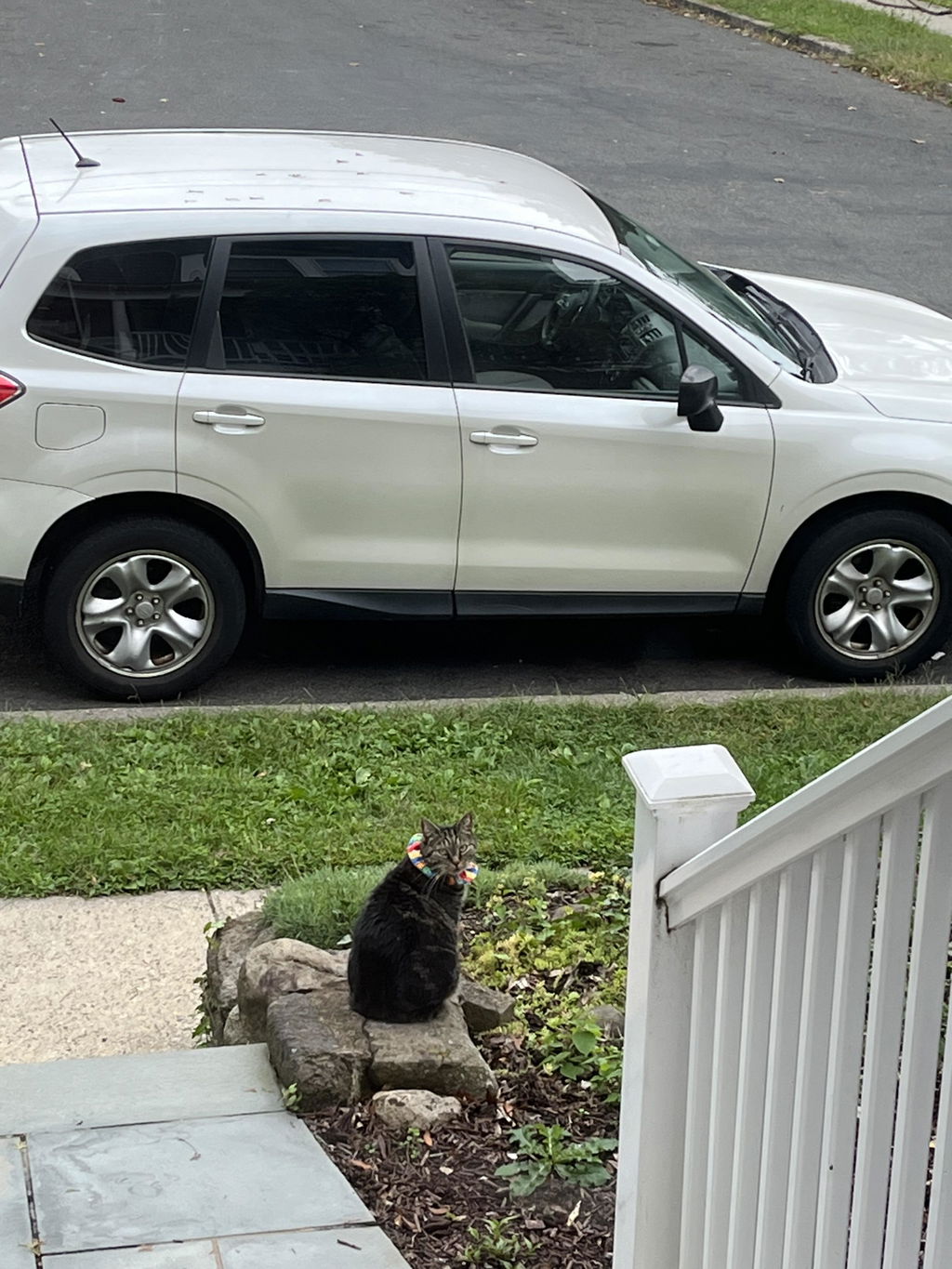
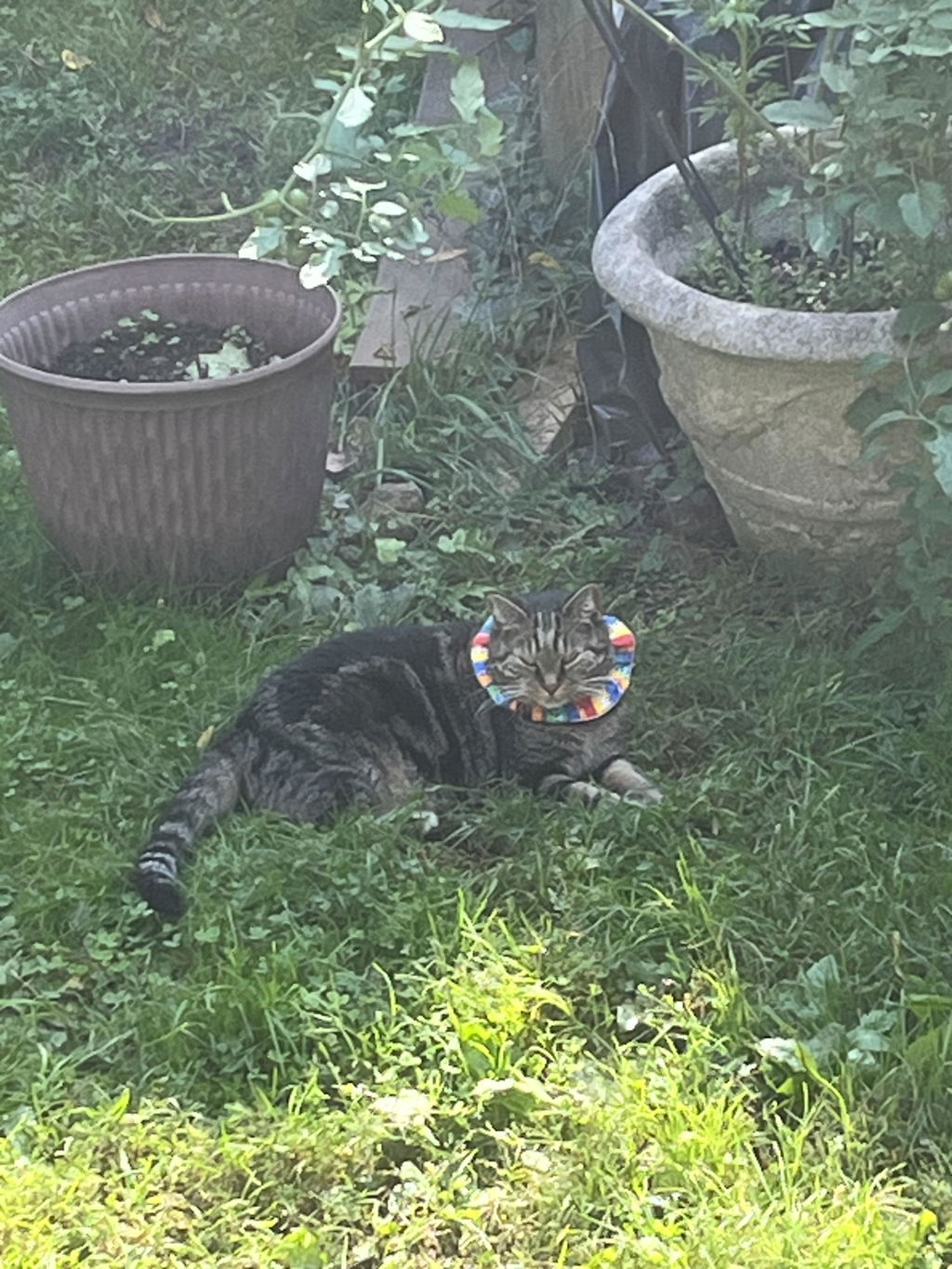
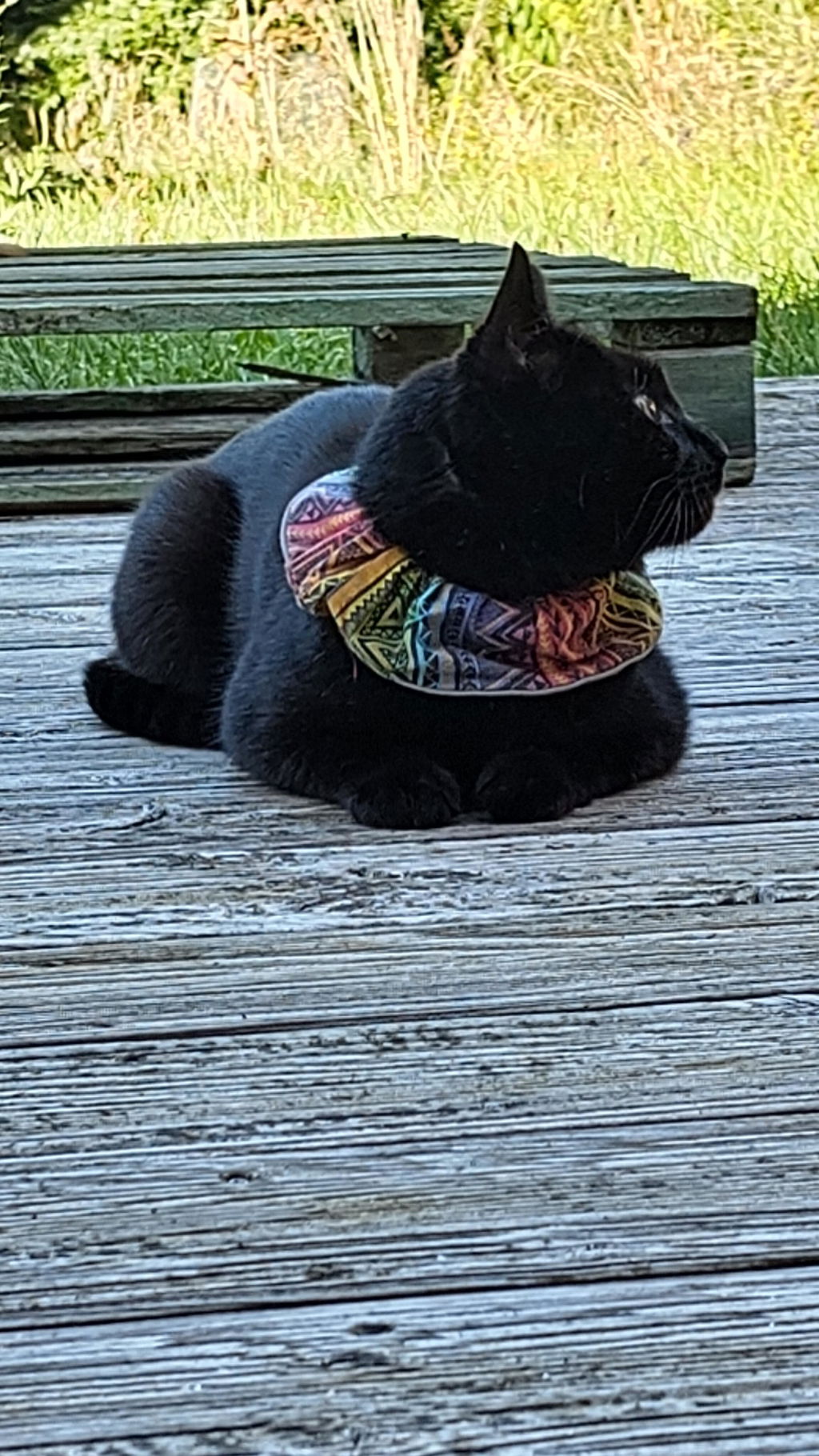
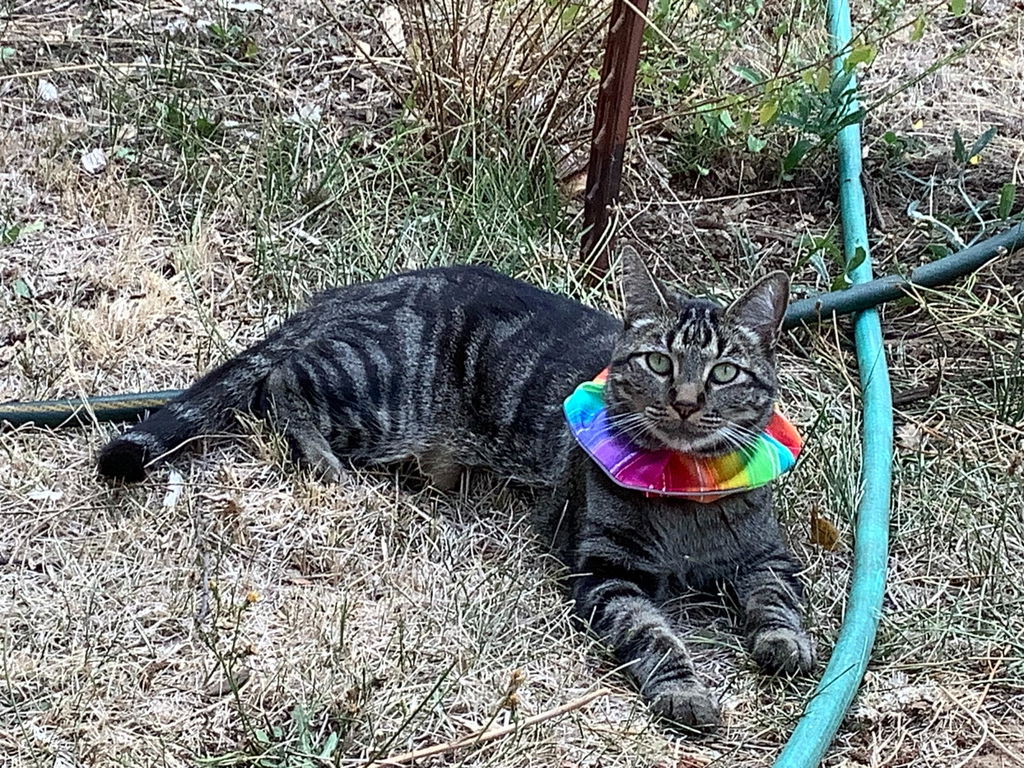
One of the most common challenges birds face in residential areas is predation from outdoor cats. A simple solution is to use Birdsbesafe collar covers, which are backed by scientific studies. These brightly colored fabric covers fit over a cat’s collar and make the cat much easier for birds to spot, giving them time to escape.
If you’re creating a bird-friendly backyard, a few small steps can help protect visiting birds:
- Use a Birdsbesafe collar cover on outdoor cats to make them more visible to birds.
- Limit outdoor cat activity during early morning and dusk, when birds are most active.
- Place feeders away from hiding spots where cats might stalk birds.
- Plant dense shrubs or small trees so birds have quick escape cover.
When paired with feeders, birdbaths, and natural shelter, these simple precautions help make your backyard a safer place for birds during the busy springtime nesting season.
Welcoming the Season Ahead
As more spring birds arrive, the landscape fills with movement—and with song. The growing dawn chorus is one of the simplest ways to reconnect with nature. Keep your eyes peeled and your ears open. You might spot a newcomer, capture a quick photo, or simply enjoy the sound of birds calling from the trees.
Of course, spring is a wonderful time for birdwatching, but it’s also a good time to think about protecting the birds that visit your yard. Small steps that make your space safer can help draw birds in while giving them a better chance to thrive. And when the morning chorus grows louder, that effort becomes a real treat—a reminder of how vibrant nature can be.