Protect Birds and Nature: A Shared Responsibility for a Healthier Planet

Photo by Diogo Miranda on Pexels
Protecting birds and nature starts with something simple: awareness. Every day, the presence of birds—whether in your yard, local parks, or nearby trees—offers a glimpse into the health of the natural world.
From a blue jay crossing the sky to a Baltimore oriole returning in spring, these colorful birds are more than beautiful sights—they are indicators of a balanced ecosystem. Protecting birds is directly connected to protecting habitats, wildlife, and the environment as a whole.
On Earth Day, this connection becomes even more important, reminding us that small, everyday actions can help protect these beautiful birds and support a healthier planet.
- Birds as a Living Reflection of Earth’s Health
- Everyday Choices That Shape Birds and Nature
- Birdsbesafe and a Smarter Way to Protect Birds
- Living Alongside Wildlife, Not Apart From It
- Explore, Learn, and Take Action for Birds
- Earth Day is Every Day
Birds as a Living Reflection of Earth’s Health
 A flock in motion reminds us that when birds thrive across the landscape, the health of the Earth moves in harmony with them.
Photo by DICSON on Unsplash
Birds play an important role in helping us understand the state of the natural world.
Across science, bird species are often studied to track changes in ecosystems. When birds are thriving, it usually means the environment is healthy. When populations begin to decline, it can signal larger issues affecting wildlife, trees, and the planet.
In many areas, millions of birds have gradually disappeared over time. The change isn’t always obvious, but it’s there—fewer sounds in the morning, fewer species to watch along familiar trails. These shifts reflect real environmental changes occurring worldwide.
Throughout history, birds have also been seen as symbols of life, change, and renewal. They connect people not only to nature, but to culture, tradition, and a deeper sense of meaning.
Birds also shape how we experience nature today. Their sounds can help the body relax and improve mental clarity, while their presence encourages curiosity and mindfulness. In a busy, fast-paced world, they give us a reason to slow down and pay attention.
Everyday Choices That Shape Birds and Nature
 Simple acts—like offering food and water—turn everyday spaces into lifelines where birds and nature can thrive together.
Photo by Joshua J. Cotten on Unsplash
Earth Day is not just about awareness—it’s about how we live every day.
The choices we make at home and in our communities shape the future of birds and nature. From how we care for our yard to how we interact with wildlife, these everyday actions influence whether species can survive and ecosystems can thrive.
You don’t need big changes to make a difference. Small, consistent actions matter—and they add up.
Here are simple ways to protect birds while supporting the natural world:
Make Windows Safer
Glass windows are one of the leading causes of bird injuries. Birds often see reflections of trees or open sky and don’t realize there’s a barrier.
To help protect birds:
- Add decals or visible patterns to windows
- Use curtains or screens
- Position feeders thoughtfully
This small step can prevent collisions and save lives.
Provide Food and Water
Birds need reliable sources of food and water to live and thrive.
- Offer seeds, nectar, or fruit depending on species
- Clean feeders regularly
- Provide fresh water year-round, even during winter
Watching birds eat and interact in your yard not only supports wildlife but also strengthens your connection to nature and encourages mindfulness.
Plant Trees and Native Plants
Trees and native plants are essential for birds and the environment.
They provide shelter, nesting areas, and natural food sources. Native plants also attract insects, which many bird species rely on during nesting season.
Planting even a few trees helps ecosystems grow and supports life across your community.
Improve Cat Visibility and Reduce Outdoor Risks
One of the most significant yet often overlooked threats to birds comes from outdoor cats.
Even well-fed cats are natural hunters. Across the world, they impact millions of birds and affect species in both urban and natural environments. For many people, this is a surprising sign of how everyday habits can influence wildlife.
Birds rely on sight to detect danger. Cats, however, are quiet and difficult to spot.
Improving visibility gives birds a better chance to react and escape. It’s a simple change—but one that can make a real difference.
And when we look more closely at how visibility works, we find one practical solution that supports both pets and wildlife.
Birdsbesafe and a Smarter Way to Protect Birds
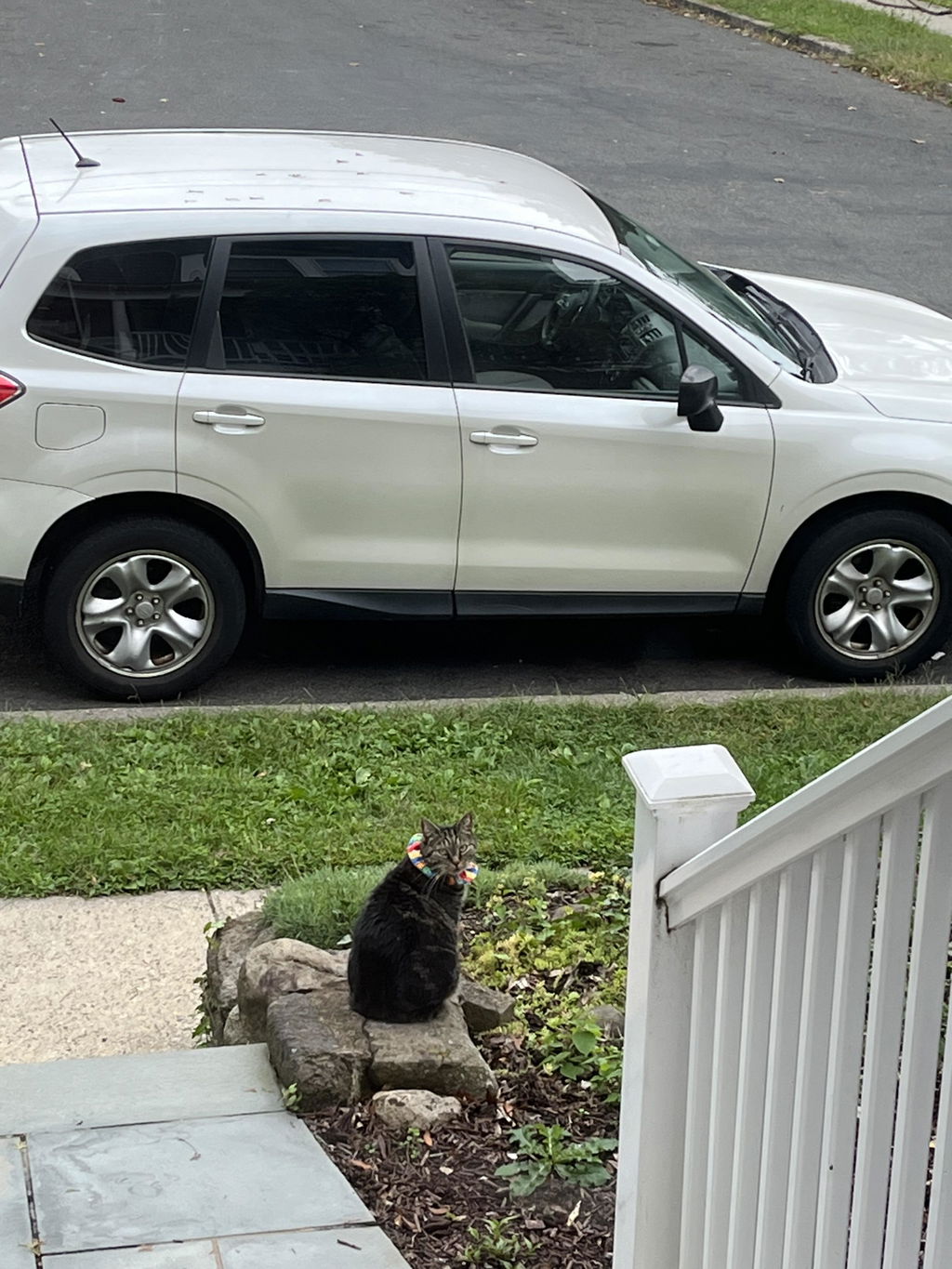
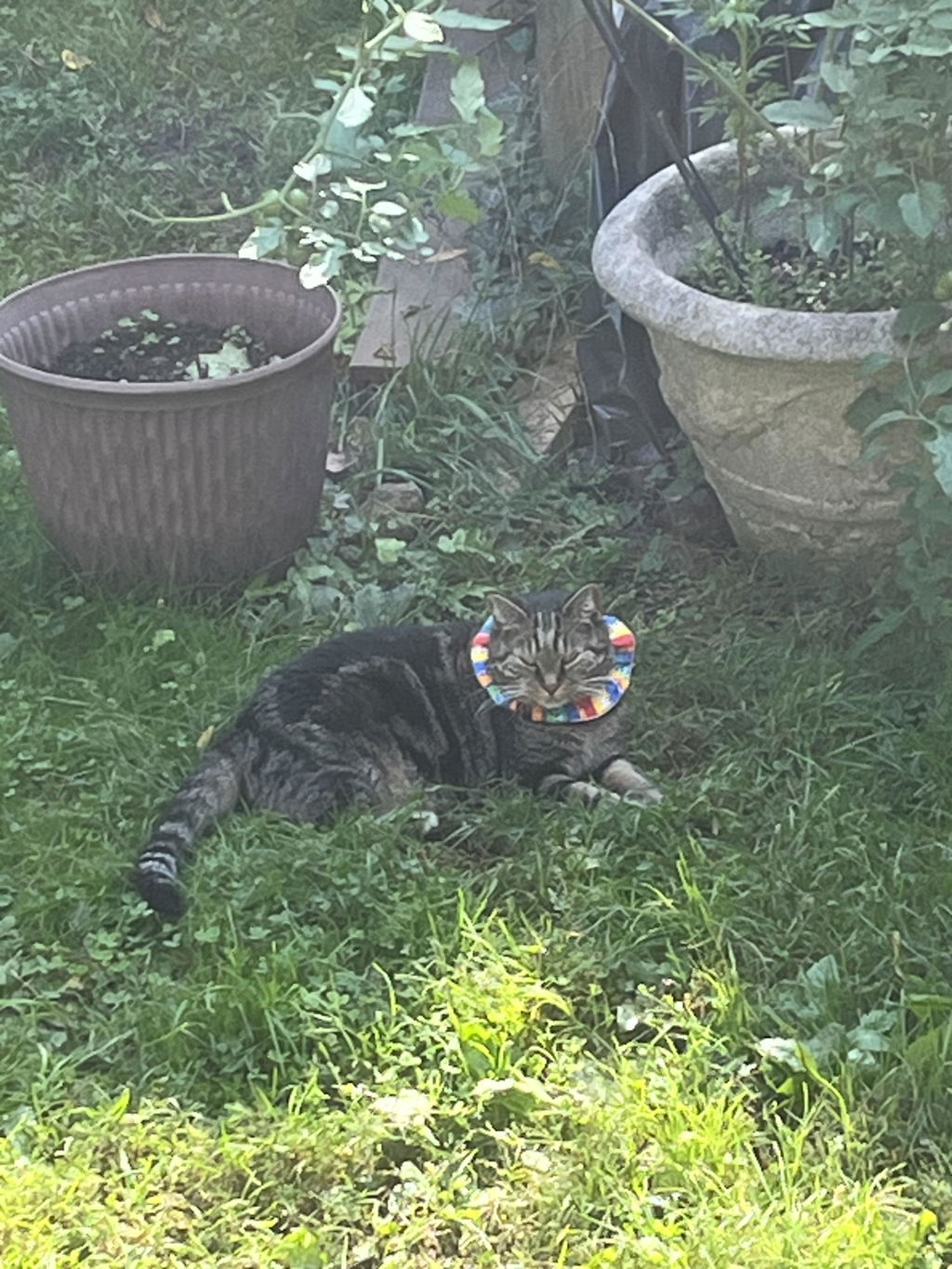
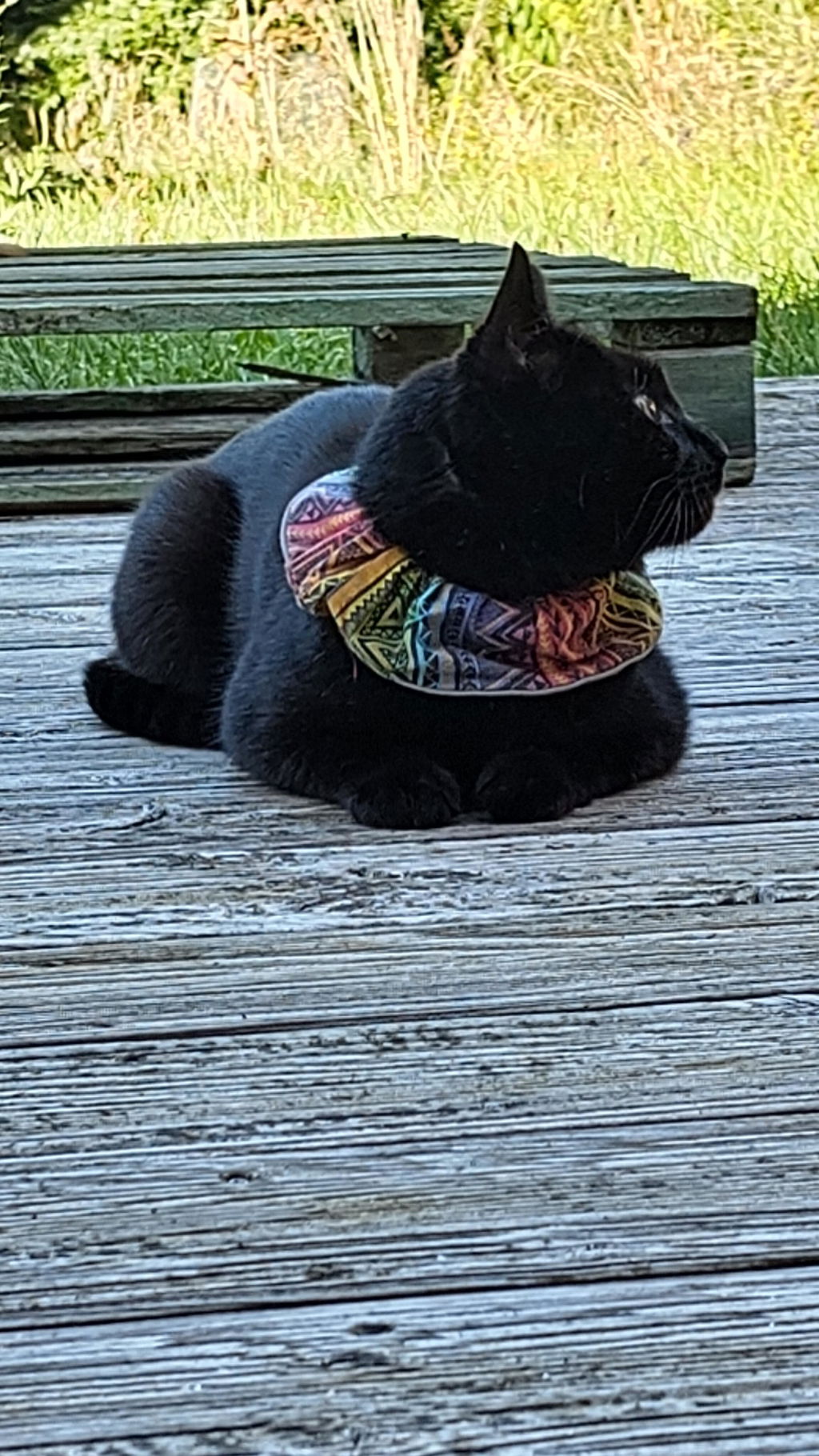
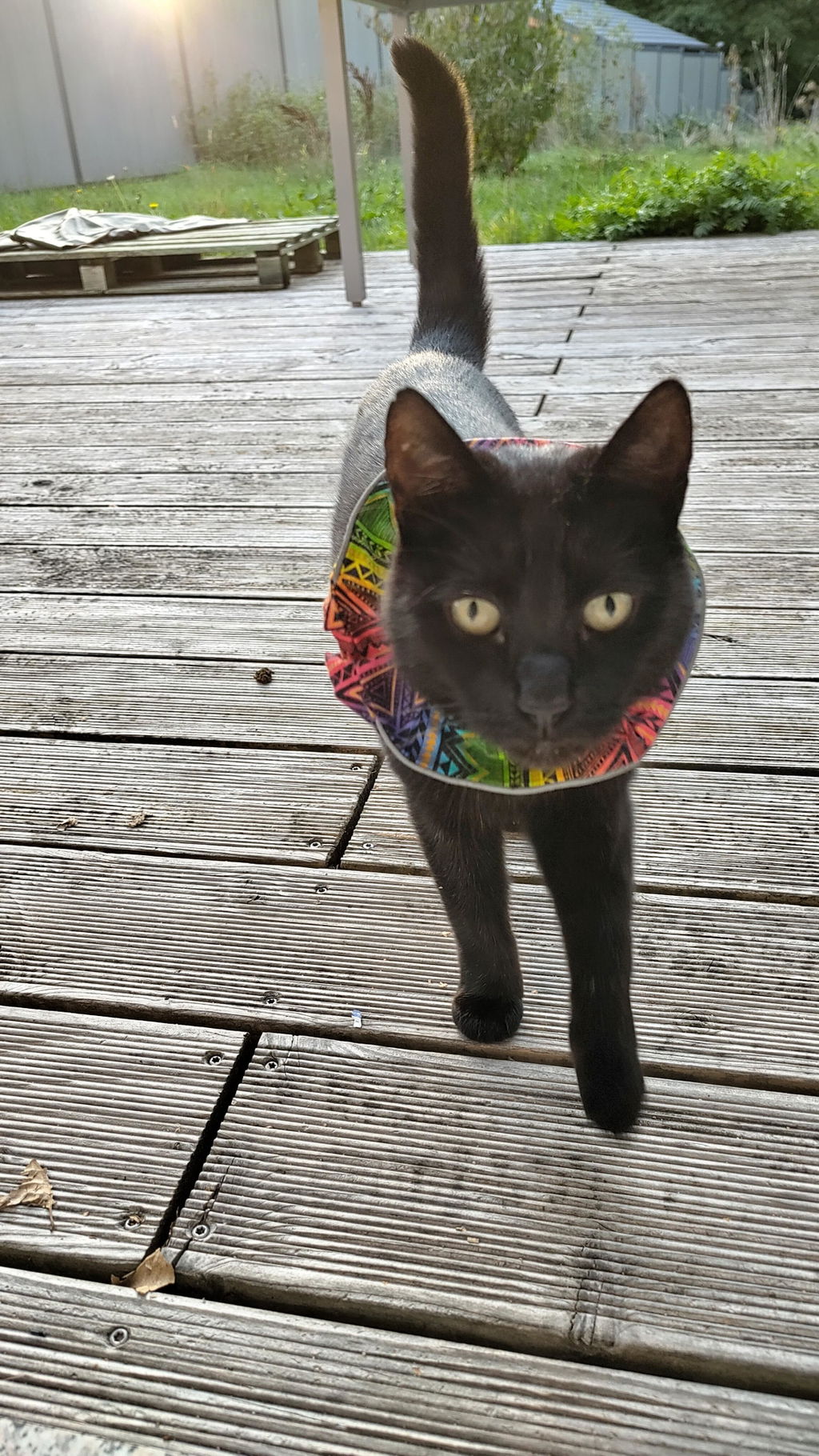
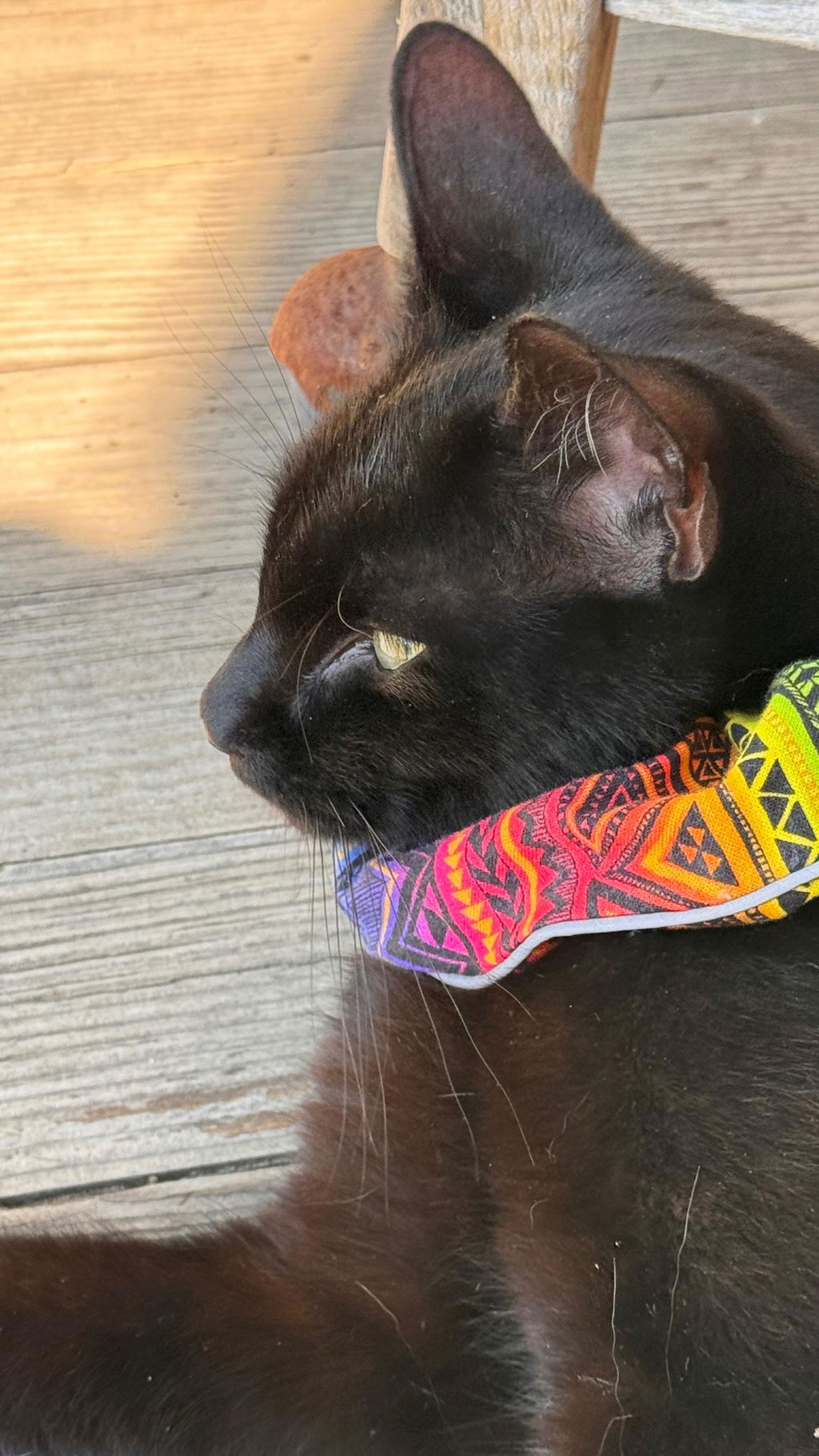
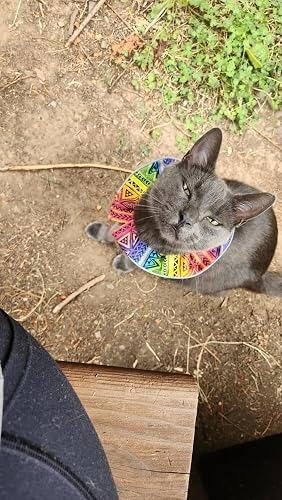
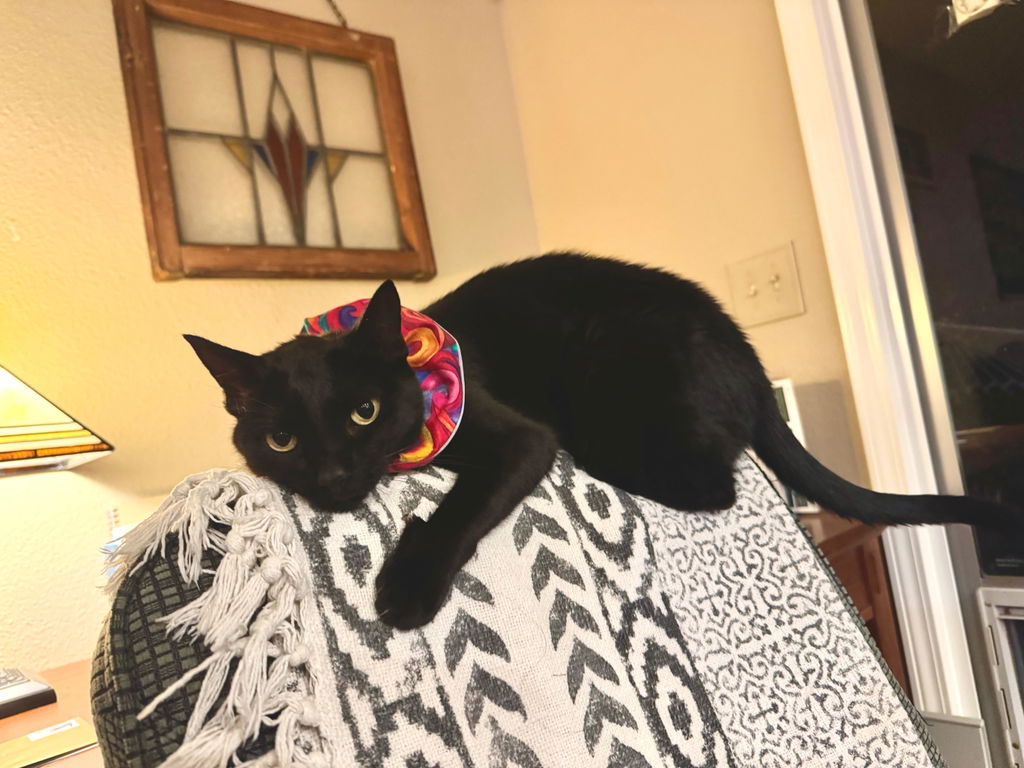
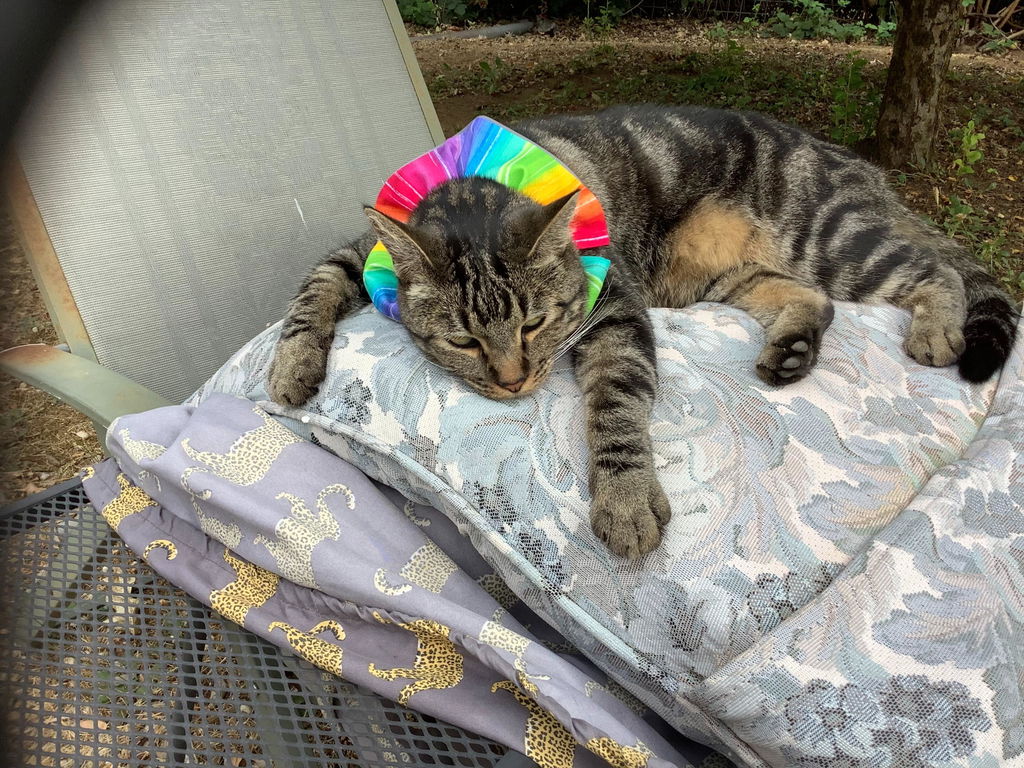
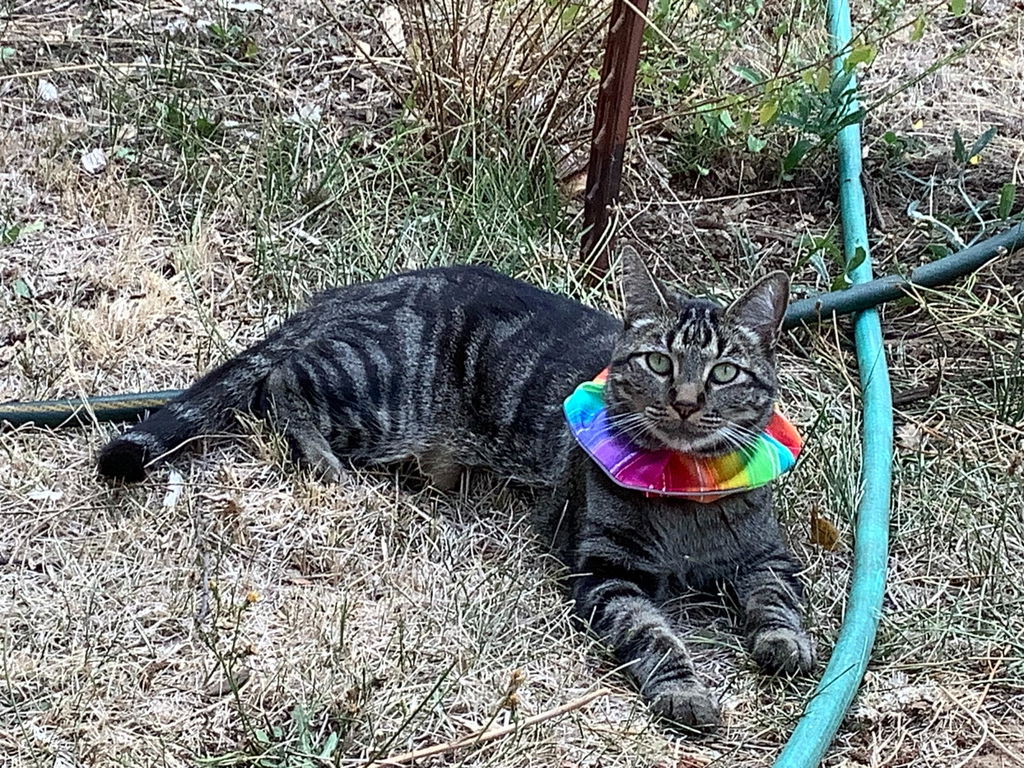
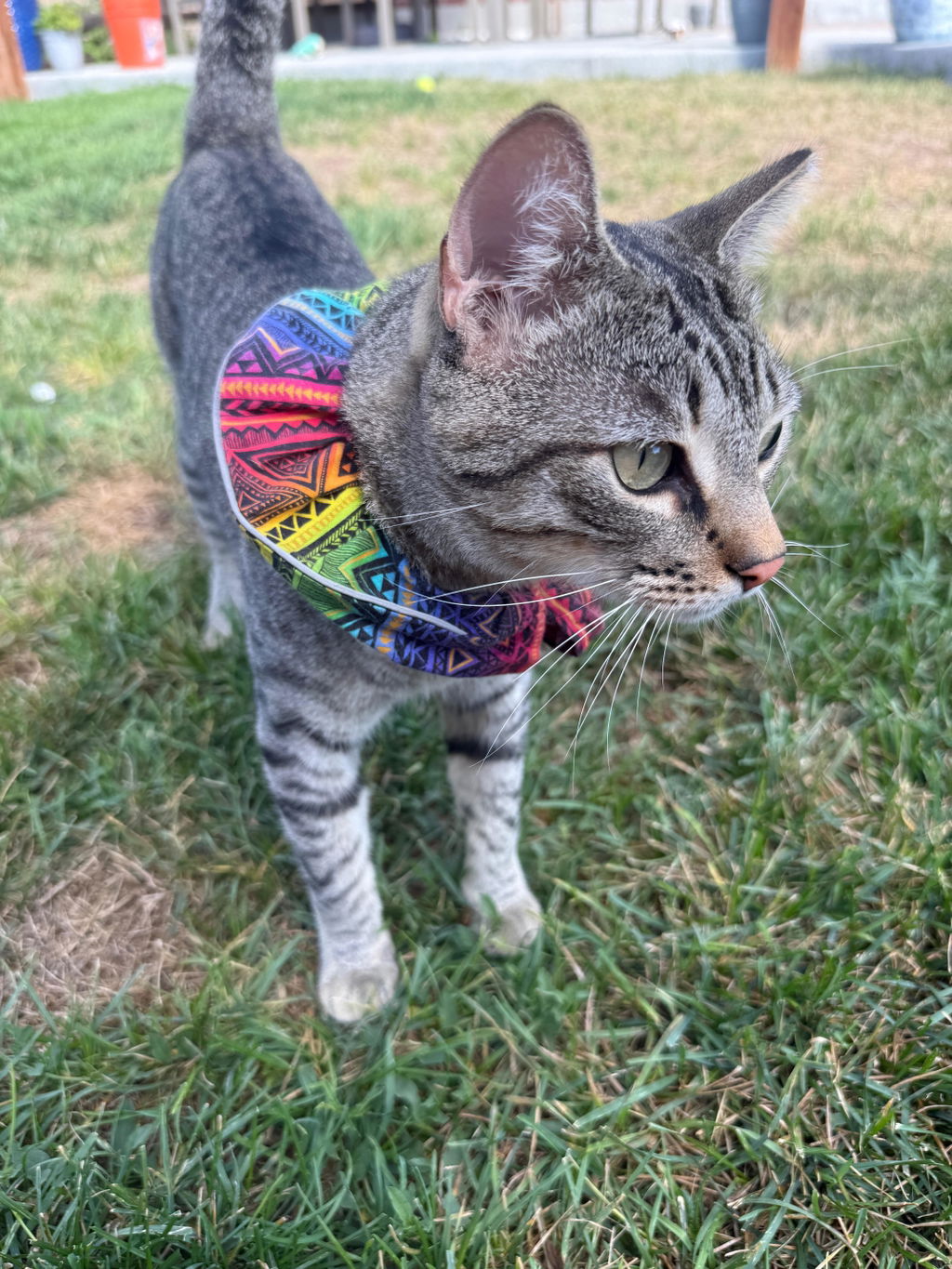
Birdsbesafe collar covers are designed to make cats more visible to birds. Their bright, colorful patterns act as a clear visual signal, helping birds recognize danger earlier.
Instead of relying on sound, this approach works with how birds naturally respond—through sight and movement.
It’s a small adjustment, but it reflects something bigger.
Protecting birds doesn’t always require major changes. Sometimes it’s about understanding how the natural world works and making thoughtful choices that support balance.
For cat owners, there are also additional ways to reduce risk:
- Keep cats indoors during peak bird activity
- Use Birdsbesafe collar covers
- Build enclosed outdoor spaces (catios)
- Supervise outdoor time
These steps help create safer environments where both birds and pets can live and thrive.
Living Alongside Wildlife, Not Apart From It
It’s common to think of nature as something separate from daily life, but wildlife is already part of our environment.
Birds live in our neighborhoods, move through our cities, and rely on the spaces we create. They are not distant—they are present.
The goal is not separation, but coexistence.
We can:
- Create safer spaces for birds in our yard
- Reduce disturbances during nesting and feeding
- Be more aware of how our actions affect wildlife
When we shift our perspective, we begin to see that we are part of the same system.
Explore, Learn, and Take Action for Birds
 With tools in hand—like eBird from The Cornell Lab of Ornithology—and curiosity alive, learning about birds becomes the first step toward protecting the natural world around us.
Photo by Walter "CheToba" De Boever on Unsplash
Protecting birds also begins with understanding them, which can serve as a gateway to deeper environmental awareness.
Taking time to explore local parks, walk trails, or simply sit outside and observe can deepen your connection to nature. Watching how birds behave, listening to their sounds, and noticing patterns builds knowledge over time.
Technology can support this process.
You can:
- Use an app to identify bird kinds and sounds
- Watch educational video content about wildlife
- Listen more closely using headphones
- Search for answers about cranes, eagles, and migration
- Subscribe to a conservation channel
- Join social communities that share knowledge and stories
These tools make it easier to learn and stay engaged.
And when learning turns into action, it creates real impact.
Communities around the world are working together to protect wildlife, restore habitats, and support conservation. Every effort contributes to a healthier planet.
Earth Day is Every Day
Earth Day is a reminder of our connection to the earth and to each other.
It encourages us to pause, reflect, and take action—but more importantly, it reminds us to carry that awareness forward.
Start where you are.
Step outside. Listen and relax. Hear the vibrant sounds of birds. Watch them move through your yard. Notice the details.
As your awareness grows, so does your sense of responsibility.
Protecting birds and nature isn’t just about conservation—it’s about protecting life, supporting the natural world, and ensuring future generations can experience the same beauty and balance.
Because in the end, your support helps, and caring for birds means caring for the planet.